Football Materials Uncovered PU Versus TPU and PVC

When you pick up a soccer ball, you often see football pu material listed on the label. This polyurethane surface gives you a soft touch, durability, and solid water resistance. Most professional balls use PU for its excellent playability and longevity. Compare the main materials below:
| Material | Performance | Durability | Price |
|---|---|---|---|
| PU | Excellent | High | High |
| TPU | Good | Moderate | Moderate |
| PVC | Poor | Low | Low |
- PU stands out for its soft feel and quality.
- TPU brings good abrasion resistance.
- PVC offers a budget option for training or juniors.
Football Materials Uncovered PU Versus TPU and PVC
- Choose PU soccer balls for professional matches. They offer the best touch, control, and durability.
- Select TPU balls for training. They provide a good balance of performance and durability at a moderate price.
- Opt for PVC balls for casual play or beginners. They are affordable, durable, and suitable for rough conditions.
Football PU Material and Alternatives
PU Material: Features and Benefits
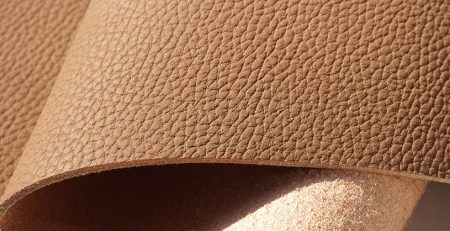
When you look at soccer ball materials, you will notice that football pu material stands out for its softness and flexibility. PU, or polyurethane, creates a surface that feels smooth and comfortable, much like natural leather. This pu material gives you excellent touch sensitivity, which means you can control the ball better during play. The high durability of pu ensures that your ball lasts longer, even with frequent use. You will also find that polyurethane resists UV rays, so the colors stay bright. The lightweight density of pu helps maintain consistent performance and flight stability. Most professional match balls use football pu material because it offers a premium playing experience.
| Property | PU (Polyurethane) Description |
|---|---|
| Softness | Soft, flexible, leather-like surface |
| Touch Sensitivity | Superior grip and control |
| UV Resistance | Colors stay vibrant |
| Shock Absorption | Excellent for durability and comfort |
| Density | Lightweight yet strong |
| Flight Stability | Enhanced stability and control |
TPU and PVC: Key Differences
TPU and PVC are also common materials used in footballs. TPU gives you a flexible and durable surface, making it a good choice for training and frequent play. It offers good grip and bounce, and its high durability means it can handle rough conditions. PVC, on the other hand, feels firmer and heavier. It is more affordable but can become stiff in cold weather and may crack over time. PVC balls are best for casual use or for beginners who want a budget-friendly option.
| Material | Tactile Characteristics | Performance Characteristics |
|---|---|---|
| TPU | Flexible, good shock absorption | Consistent bounce, suitable for training |
| PVC | Firm, less responsive | Durable but less control, best for recreation |
Why PU Soccer Balls Stand Out
You will notice that pu soccer balls offer a soft and smooth surface, which makes them comfortable to kick and control. The pebbled texture of pu material improves grip, even in wet conditions. Players often choose football pu material for its high durability and consistent performance. Polyurethane allows for optimal energy transfer, giving you predictable ball flight and better control. Most professional match balls use pu because it delivers the best quality and feel. With proper care, pu soccer balls can last up to four years, making them a smart investment for serious players.
Performance and Best Use Cases
Touch and Control Comparison
When you choose soccer ball materials, touch and control matter most for playability. PU gives you a soft touch and superior ball control. Professional players often prefer pu soccer balls because the polyurethane surface delivers consistent performance and a premium feel. The soft texture of pu material allows for precise dribbling and passing. You will notice that professional match balls use pu for this reason.
TPU, or thermoplastic polyurethane, offers a good balance between touch and control. The technical advantages of tpu include a flexible surface and consistent bounce. TPU soccer balls provide good performance for both training and competitive matches. You get a good touch and reliable playability, though not quite at the level of pu.
PVC feels firmer and less elastic. You may find that pvc balls respond less to subtle touches, making them less suitable for advanced control. These balls work well for youth players or beginners who need a basic, durable option.
| Material | Touch Sensitivity | Ball Control | Durability | Ideal Use |
|---|---|---|---|---|
| PU | Soft touch | Superior control | Less durable | Professional matches |
| TPU | Good balance | Consistent performance | More durable than PU | Training and competitive matches |
| PVC | Firm, less elastic | Less responsive | Safer for beginners | Youth players |
Professional players report that pu soccer balls offer exceptional touch sensitivity and consistent flight. The soft yet durable polyurethane surface allows for optimal energy transfer, giving you predictable ball movement. In contrast, pvc balls feel harder and less responsive, which can limit your control during play. TPU serves as a compromise, offering decent playability and durability, but it does not match the premium feel of pu.
Durability and Weather Resistance
Durability and weather resistance are crucial for high-quality footballs. PU soccer balls maintain their shape and responsiveness even after extensive use. Polyurethane provides high durability, making these balls a reliable choice for players who demand longevity. However, pu material can absorb water during heavy rain, which may make the ball feel heavier.
TPU stands out for its high abrasion resistance and strength. The technical advantages of tpu include excellent resistance to wear and tear. Thermoplastic polyurethane performs well in rain, maintaining rebound and flight. You can expect tpu soccer balls to last two to three years with regular use.
PVC offers the best water resistance among the three. These balls do not get heavier when wet and withstand rough surfaces. PVC can harden in cold weather, which reduces abrasion resistance and makes the ball less responsive. Still, pvc soccer balls are cost-effective and durable, making them a good training ball for teams and casual players.
| Material | Performance in Rain | Performance in Heat | Performance in Cold |
|---|---|---|---|
| PU | Absorbs water, feels heavier | Best on well-kept fields | Not specified |
| TPU | Performs well, maintains rebound | Lasts 2-3 years | Not specified |
| PVC | Best water resistance | Can harden, less responsive | Hardens, lower abrasion resistance |
- PVC soccer balls are affordable and withstand rough surfaces, making them ideal for various playing conditions.
- PU soccer balls are recognized for their exceptional durability and consistent performance, even after repeated use.
Price and Value for Soccer Balls
You want to get the best value for your money when choosing soccer balls. PU offers high performance and quality, but comes at a higher price. The cost-to-performance ratio for pu is moderate, making it a smart investment for serious players who want superior performance characteristics and consistent playability.
TPU provides a balance between durability and playability. Thermoplastic polyurethane balls offer good performance at a moderate price. The technical advantages of tpu make these balls a popular choice for training and competitive matches.
PVC stands out for affordability and high durability. These balls are ideal for training, recreational games, and youth players. While pvc does not deliver the same playability or quality as pu or tpu, it remains a practical option for large groups or schools.
| Material | Cost-Effectiveness | Performance | Durability |
|---|---|---|---|
| PU | Moderate | High | Moderate |
| PVC | High | Low | High |
| TPU | Moderate | Moderate | High |
- PU offers the best feel and performance for matches.
- PVC is cost-effective and durable, ideal for training and recreational use.
- TPU provides a balance between durability and playability.
Choosing the Right Material for Your Needs
Selecting the right soccer ball material depends on your skill level, playing surface, and budget. If you play on premium grass or turf and want superior performance characteristics, choose pu soccer balls. Polyurethane delivers a soft touch, high-quality feel, and consistent performance, making it the top choice for competitive players.
TPU is a versatile option for all-around performance. The technical advantages of tpu include high abrasion resistance and strength, making these balls suitable for various surfaces and conditions. TPU soccer balls are a good training ball for intermediate players who want good performance without the premium price.
PVC works best for rough surfaces, street soccer, or basic training. These balls are durable, affordable, and easy to replace. PVC is ideal for beginners and youth players who need a reliable ball for learning fundamental skills.
| Material | Best For | Characteristics |
|---|---|---|
| PVC | Rough surfaces, street soccer | Durable, suitable for challenging conditions |
| TPU | All-around performance | Good for various surfaces, balanced performance |
| PU | Premium surfaces (grass, turf) | High performance, sensitive touch, best for competitive play |
Tip: When choosing a soccer ball, consider where and how often you will use it. PU is best for high-quality balls and professional match balls. TPU is a smart choice for training and competitive play. PVC is perfect for youth players and recreational games.
| Material | Durability | Feel | Control | Environmental Impact | Affordability | Pros | Cons |
|---|---|---|---|---|---|---|---|
| PU | High | Softer | Excellent | Moderate | Moderate | Exceptional touch, consistent flight, superior control | Needs careful maintenance, higher cost |
| TPU | High | Softer | Good | Better | Moderate | Good touch, durable, eco-friendly, excellent rebound | None significant |
| PVC | Moderate | Harder | Limited | Low | Low | Economical, weather-resistant, maintains shape | Harder, less responsive, not for competitive play |
| Material | Professional Matches | Training Sessions | Casual Games |
|---|---|---|---|
| PU | Yes | No | No |
| TPU | No | Yes | Yes |
| PVC | No | Yes | Yes |
You can see that pu material and polyurethane provide the best playability and quality for advanced players. TPU and thermoplastic polyurethane offer good performance and high durability for training and all-around use. PVC remains the most affordable and durable option for beginners and rough conditions. By understanding these differences, you can select the right soccer ball for your needs and enjoy consistent performance on the field.
You should choose pu soccer balls for match play and advanced control. Training sessions benefit from durable options, while casual games suit budget-friendly soccer balls. Consider your priorities—performance, durability, or price—before buying. The table below helps you match ball type to your needs:
| Ball Type | Best For |
|---|---|
| pu soccer balls | Matches, skilled play |
| Training Balls | Practice, durability |
| Budget Balls | Casual, youth, schools |
- Durability and long-term value matter most for frequent use.
FAQ
What is the main advantage of PU soccer balls?
You get a soft touch and excellent control with PU soccer balls. These balls offer the best performance for matches and advanced play.
Are TPU soccer balls good for training?
Yes!
- You can use TPU soccer balls for training.
- They provide durability and consistent bounce, making them ideal for practice sessions.
Which material should you choose for wet conditions?
| Material | Water Resistance |
|---|---|
| PVC | Excellent |
| TPU | Good |
| PU | Moderate |
You should pick PVC for the best water resistance during rainy games.