PVC leatherette explained for beginners

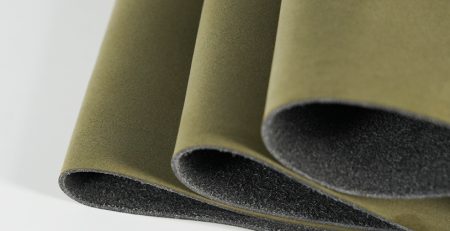
PVC leatherette refers to a synthetic material that mimics the look and feel of real leather. Manufacturers create it by layering plastic-based coatings over fabric, which makes it distinct from genuine leather sourced from animal hides. The product stands out for several reasons:
- Durability and water resistance help it last longer in everyday use.
- Vegan status ensures no animal products are involved.
- Affordability attracts many buyers, with prices ranging from $5 to $8 per yard, while genuine leather can cost between $25 and $50 per yard. Faux leather is usually 50–70% less expensive.
PVC leatherette explained for beginners
- PVC leatherette is a synthetic material that mimics real leather without using animal products.
- It is durable, water-resistant, and easy to clean, making it ideal for furniture and car interiors.
- PVC leatherette is more affordable than genuine leather, costing 50-70% less.
- The material has a multi-layer structure that enhances its strength and flexibility.
- Regular maintenance, like using a damp cloth for cleaning, helps extend the lifespan of PVC leatherette products.
- While PVC leatherette is vegan, its production raises environmental concerns due to harmful chemicals.
- Identifying PVC leatherette involves checking for a uniform surface and a chemical smell, unlike genuine leather.
- Consider sustainable alternatives to PVC leatherette, such as plant-based or recycled materials, to reduce environmental impact.
What is pvc leatherette?
Definition
PVC leatherette is a type of synthetic leather designed to imitate the appearance and texture of real leather. Manufacturers use a base layer of polyester fibers and coat it with pvc resin, plasticizers, and other additives. This process creates a material that looks like leather but does not use any animal products. People often choose pvc leatherette for its durability, easy maintenance, and affordable price.
Note: PVC leatherette is widely used in furniture, car interiors, and accessories because it offers a practical alternative to genuine leather.
| Definition of PVC Leatherette | Description |
|---|---|
| Composition | Made from a base layer of polyester fibers coated with PVC resin, plasticizers, and additives. |
| Characteristics | Durable, easy to maintain, and mimics the look of genuine leather. |
| Applications | Used in furniture, car interiors, and various accessories. |
Composition
Layers
PVC leatherette has a multi-layer structure that gives it strength and flexibility. The typical layers include:
- A fabric leather backing
- A foam layer
- A skin layer
- A plastic-based surface covering
These layers work together to create a material that feels soft yet remains tough. Compared to other types of synthetic leather, pvc leatherette often has more layers, which increases its durability.

Materials
The main materials used in pvc leatherette include several chemical components. Each plays a specific role in the final product:
| Component | Description |
|---|---|
| PVC Resin | The primary material used in soft pvc leather. |
| Plasticizers | Added to enhance flexibility and softness. |
| Stabilizers | Used to maintain the integrity of the material. |
| Pigments | Add color and style. |
| Fillers | Improve texture and reduce cost. |
PVC resin forms the base of the material. Plasticizers make the surface flexible and comfortable. Stabilizers help the leatherette resist heat and sunlight. Pigments provide a wide range of colors and patterns. Fillers improve the feel and lower the cost.
How It’s Made
The manufacturing process of pvc leatherette involves several steps. Factories use two main methods: the calendering method and the release paper method.
- Calendering Method:
- Workers mix raw materials like pvc and pigments to form a solid shape.
- They coat this mixture onto fabric, creating a base with two layers: the pvc layer and the backing fabric.
- The base material goes through a foaming machine to increase the thickness of the pvc layer.
- An embossing roller adds texture to the surface.
- Surface treatments adjust the color or add printed designs.
- Release Paper Method:
- Workers mix materials into a fluid and coat it onto release paper.
- The material may be foamed after coating.
- Glue is applied to the pvc layers, which are then attached to the backing fabric.
- The release paper is removed, leaving the finished pvc leatherette.
PVC leatherette differs from genuine leather in both materials and production. While pvc leatherette uses synthetic fibers and pvc, genuine leather comes from animal hides and requires tanning. The synthetic process does not produce animal byproducts, making pvc leatherette a vegan option.
Tip: PVC leatherette is sometimes called vinyl. It is more robust than some other synthetic leather types because of its extra layers.
pvc leatherette vs leather
Differences
Appearance
When comparing pvc leatherette and genuine leather, the differences in appearance become clear under close inspection. Genuine leather displays natural grain patterns and subtle color variations. Its pores appear inconsistently spaced, giving each piece a unique look. In contrast, pvc leatherette features a uniform surface. The pores on pvc leatherette look perfectly even or repeat in a pattern. This regularity results from the manufacturing process, where machines create the surface texture.
| Characteristic | Genuine Leather | PVC Leatherette |
|---|---|---|
| Pores | Inconsistently spaced | Perfectly even or repeating |
| Grain Patterns | Natural, subtle variations | Uniform appearance |
| Patina | Develops over time | Does not develop |
Genuine leather develops a patina as it ages, adding depth and character. PVC leatherette does not change in this way, so it keeps the same look throughout its lifespan.
Texture
Texture also sets pvc leather apart from real leather. Genuine leather feels buttery and supple to the touch. Its surface offers a soft, flexible sensation. PVC leatherette, on the other hand, feels slightly plastic. The surface of pvc leather can feel firmer and less natural. This difference comes from the materials used. PVC leather uses synthetic layers, while genuine leather comes from animal hides.
Breathability
Breathability marks another key difference. Genuine leather allows air to pass through its natural fibers. This feature helps regulate temperature and moisture. PVC leatherette, made from pvc, blocks airflow. The synthetic layers in pvc leather do not let air or moisture escape. As a result, pvc leather can feel warmer and less comfortable during long use, especially in hot weather.
Pros and Cons
Both pvc leatherette and genuine leather offer unique advantages and disadvantages. The following table highlights the main points:
| Material | Advantages | Disadvantages |
|---|---|---|
| PVC Leather | Strong water resistance, good wear resistance, easy to clean, UV resistant | Poor breathability, prone to hardening in low temperatures, environmental concerns |
| Genuine Leather | Excellent breathability, high elasticity, natural and environmentally friendly | Vulnerable to damage, requires careful maintenance, relatively high price |
- PVC leatherette stands out for its water resistance and easy cleaning. Many people choose pvc leather for furniture and car interiors because spills and stains wipe away easily. PVC leather also resists UV rays, so it does not fade quickly in sunlight. However, pvc leather does not breathe well. It can harden in cold temperatures and may crack or peel over time. Environmental concerns also exist because pvc does not biodegrade.
- Genuine leather offers excellent breathability and elasticity. It feels comfortable and adapts to the user’s body over time. Many people value genuine leather for its natural look and long lifespan. However, leather needs regular care to prevent drying or cracking. It can stain easily and costs much more than pvc leather. Some people also avoid leather for ethical reasons.
When choosing between pvc leatherette and genuine leather, buyers should consider appearance, comfort, maintenance, and environmental impact. Each material suits different needs and preferences.
Main features
Durability
Durability and lifespan stand out as key features of pvc leatherette. Manufacturers design pvc leather to withstand daily wear and tear. The multi-layer structure, which includes a fabric backing, foam, and a tough pvc surface, gives the material strength and flexibility. Users often choose pvc leather for furniture, car interiors, and accessories because it resists scratches and scuffs better than many other synthetic materials.
The average lifespan of pvc leatherette products usually ranges from 2 to 3 years. This period depends on usage and care. When compared to other materials, genuine leather lasts much longer, while standard and premium PU leather fall in between. The following table shows the typical durability and lifespan of different materials:
| Material Type | Average Lifespan |
|---|---|
| PVC Leatherette | 2-3 years |
| Standard PU | 3-5 years |
| Premium PU | 5-10 years |
| Genuine Leather | 10-30+ years |
Pvc leather does not develop a patina like genuine leather. It maintains its original look throughout its lifespan. However, exposure to extreme temperatures or heavy use can cause the surface to crack or peel over time. Regular care helps extend the durability and lifespan of pvc leatherette products.
Water Resistance
Water resistance is another important feature of pvc leatherette. The pvc surface acts as a barrier, preventing water from soaking into the material. This waterproof quality makes pvc leather ideal for environments where spills or moisture are common, such as kitchens, dining areas, and car interiors.
The table below compares the water resistance of pvc leatherette with other synthetic materials:
| Material | Water Resistance |
|---|---|
| PVC Leatherette | Excellent |
| PU Leatherette | Moderate |
Pvc leather offers excellent water resistance. Liquids bead up on the surface, allowing users to wipe them away easily. This feature protects the underlying layers and helps prevent mold or mildew growth. In contrast, PU leather provides only moderate water resistance and may absorb some moisture over time.
Tip: Pvc leatherette products work well in humid or wet conditions. Their waterproof nature makes them suitable for outdoor furniture and marine applications.
Maintenance
Maintenance of pvc leatherette is simple and straightforward. The smooth pvc surface does not trap dirt or dust, so cleaning takes little effort. Regular care helps preserve the appearance and performance of pvc leather products.
Recommended maintenance practices include:
- Use a damp cloth and mild soap for cleaning. Avoid harsh chemicals and abrasive cleaners.
- Apply a pvc-specific conditioner to retain moisture and flexibility.
- Store items in a cool, dry place away from direct sunlight. Use dust bags for added protection.
- Avoid heavy pressure and sharp objects to prevent marks and punctures.
- Regularly inspect the surface for damage and maintain appearance.
- Treat scratches, dents, or cracks promptly to prevent further damage.
| Maintenance Practice | Description |
|---|---|
| Cleaning | Use a damp cloth and mild soap; avoid harsh chemicals and abrasive cleaners. |
| Conditioning | Apply a PVC-specific conditioner to retain moisture and flexibility. |
| Storage | Store in a cool, dry place away from sunlight; use dust bags for protection. |
| Damage Prevention | Avoid heavy pressure and sharp objects to prevent marks and punctures. |
Pvc leather does not require the same level of care as genuine leather. Users do not need to apply oils or waxes. Simple cleaning and occasional conditioning keep pvc leatherette looking new. These easy maintenance steps help extend the durability and lifespan of pvc leather products.
Note: Always check the fixation of the pvc skin and replace damaged parts promptly. Proper maintenance ensures the best performance and appearance over time.
Vegan and Animal-Free
Many people choose pvc leather because it does not use animal products. Manufacturers create pvc leather by combining synthetic materials, such as pvc and fabric, instead of animal hides. This process makes pvc leather a vegan option for those who want to avoid animal-based goods.
Pvc leather appeals to people who care about animal welfare. No animals are harmed during the production of pvc leather. The material offers a cruelty-free alternative to traditional leather. Vegan consumers often look for products that do not involve animal testing or animal-derived ingredients. Pvc leather meets these needs.
Pvc leather also supports a growing trend toward ethical fashion. Many brands now offer shoes, bags, and jackets made from pvc leather. These products allow consumers to enjoy the look and feel of leather without the ethical concerns. Pvc leather comes in many colors and textures, giving designers flexibility to create stylish items.
Some people worry that vegan materials may not last as long as real leather. Pvc leather, however, provides good durability and water resistance. It stands up to daily use and does not require special care. People who want a vegan, animal-free option often find pvc leather a practical choice.
Note: Vegan and animal-free labels on products help shoppers identify items made from pvc leather. Always check tags or product descriptions for this information.
Safety
Safety remains an important factor when choosing pvc leather products. While pvc leather offers many benefits, it also raises some health and environmental concerns. Consumers should understand these issues before making a purchase.
The production and disposal of pvc leather can release harmful chemicals. Factories that make pvc leather often emit toxic substances, such as dioxins, into the environment. These chemicals can cause health problems, including developmental issues and a higher risk of cancer. Pvc leather does not break down naturally, so it can create micro-particles that enter the food chain.
Some pvc leather products may contain heavy metals, such as arsenic, cadmium, and chromium. These substances can pose risks, especially for items that touch the skin or are used by children. Long-term exposure to arsenic may lead to skin problems, liver damage, or hearing loss. Breathing in cadmium vapors can cause lung issues, including cancer. Contact with chromium may result in eczema or allergic reactions.
- Key safety concerns with pvc leather:
- Factories release toxic chemicals, such as dioxins, during production and burning.
- Pvc leather does not biodegrade, leading to micro-particle pollution.
- Some products contain heavy metals, which can harm health.
- Arsenic exposure may cause skin and liver problems.
- Cadmium inhalation can lead to lung cancer.
- Chromium contact may result in allergies or eczema.
- Children face higher risks from heavy metals in synthetic materials.
Consumers should look for pvc leather products that meet safety standards. Many brands now test their goods for harmful substances. Labels or certifications can help buyers choose safer options. Proper care and disposal of pvc leather items also reduce health and environmental risks.
Tip: Always check for safety certifications or labels when buying pvc leather products, especially for children or items that touch the skin.
Uses
Footwear
Manufacturers often choose pvc leather for footwear because it offers a strong, water-resistant surface. Shoes made with pvc leather can handle daily wear and exposure to moisture. Many brands use pvc leather in sneakers, boots, sandals, and casual shoes. The material resists stains and scuffs, making it practical for school shoes and work boots. Designers also value pvc leather for its ability to hold vibrant colors and unique textures. This flexibility allows them to create trendy styles that appeal to a wide audience. The application scope of pvc leather in footwear continues to grow as more consumers seek vegan and affordable options. Pvc leather shoes often cost less than those made from genuine leather, yet they still provide durability and comfort.
Furniture
Pvc leather plays a major role in the furniture industry. Upholsterers use pvc leather to cover a wide range of furniture pieces. The material stands out for its easy cleaning and resistance to spills, which makes it ideal for both homes and businesses. The application scope of pvc leather in furniture includes many settings:
- Residential interior furniture upholstery
- Commercial interior furniture upholstery (hotels, restaurants, convention centers, health care facilities)
- Outdoor weather-resistant upholstery (outdoor patio furniture, pool area furniture, porch furniture)
- Marine upholstery (cabin and exterior cushions)
- Automotive upholstery
- Commercial transportation seating material (truck, bus, train)
Pvc leather furniture offers a sleek look and a soft touch. Many families choose pvc leather sofas and chairs because they are easy to maintain. In commercial spaces, pvc leather stands up to heavy use and frequent cleaning. Outdoor furniture makers rely on pvc leather for its ability to resist rain and sunlight. Marine and automotive industries also use pvc leather for seats and cushions, taking advantage of its water resistance and durability.
Fashion
The fashion industry embraces pvc leather for its versatility and ethical appeal. Designers use pvc leather to create jackets, skirts, pants, and accessories. The material mimics the look of real leather but remains animal-free. Many well-known brands highlight pvc leather in their collections. For example:
- Stella McCartney’s collections feature pvc leather items.
- Veja uses pvc leather in some of its products.
- Tesla offers optional vegan leather seating made from pvc leather.
Pvc leather allows fashion brands to offer cruelty-free choices without sacrificing style. The material supports bold colors, glossy finishes, and unique patterns. Shoppers who want to avoid animal products often select pvc leather bags, belts, and shoes. The application of pvc leather in fashion continues to expand as more consumers demand sustainable and vegan alternatives. Pvc leather stands as a key material in modern fashion, offering both function and style.
Automotive
The automotive industry relies heavily on pvc leatherette for many interior applications. Car manufacturers select pvc for its durability and cost-effectiveness. This material covers seats, door panels, dashboards, and armrests. It provides a premium look while keeping production costs low.
Pvc leatherette stands out in high-contact areas. Seats and armrests experience constant use. The abrasion resistance of pvc ensures these surfaces remain intact over time. Door panels also benefit from this tough material. Drivers and passengers touch these areas frequently, so manufacturers need a surface that resists wear.
Sunlight can damage many materials inside a car. Pvc leatherette offers strong UV resistance. This feature prevents fading and surface cracking, even after years of exposure to sunlight. Car interiors maintain their color and texture, which helps vehicles retain their value.
Moisture and spills pose another challenge in automotive interiors. Pvc leatherette has a non-porous surface. Water, coffee, and other liquids cannot soak in. Owners can wipe away spills easily, which reduces the risk of stains and mildew. This property makes pvc ideal for families and anyone who wants a low-maintenance car interior.
Comfort matters to drivers and passengers. Pvc leatherette provides a smooth, cushioned feel. Manufacturers control the softness and support of the material, which helps create ergonomic seating. Long drives become more comfortable with well-designed pvc seats.
Aesthetics play a big role in car design. Pvc leatherette achieves a luxurious appearance without the high cost of natural leather. Car buyers enjoy the look and feel of leather, but pvc keeps vehicles affordable. Designers can choose from many colors and textures, which allows for customization.
Sustainability and efficiency also influence material choices. Pvc leatherette creates less waste than natural leather tanning. The production process uses fewer resources, which reduces the environmental impact. Manufacturers appreciate the balance between performance and price.
The table below summarizes the main features of pvc leatherette in automotive applications:
| Application Feature | Description |
|---|---|
| Abrasion resistance | Ideal for high-contact areas like seats, armrests, and door panels. |
| UV resistance | Prevents fading and surface cracking even under prolonged sunlight exposure. |
| Moisture and spill protection | Non-porous surface resists stains, water damage, and mildew. |
| Enhanced comfort & customization | Provides smooth, cushioned support with controlled softness for ergonomic seating. |
| Premium aesthetic appeal | Achieves a luxurious look and feel without the high cost of natural leather. |
| Sustainability & efficiency | Lower waste and reduced environmental impact compared to natural leather tanning. |
| Cost-effective | Balances performance with price, ensuring excellent ROI for manufacturers. |
Tip: Car owners who want easy cleaning and long-lasting interiors often choose vehicles with pvc leatherette surfaces.
Identifying pvc leatherette
Visual Clues
Shoppers often wonder how to identify pvc leather when browsing furniture, shoes, or accessories. Visual inspection provides several clues. PVC leatherette usually displays a uniform surface. The grain pattern appears consistent, lacking the unique imperfections found in genuine leather. The color remains even across the entire piece, with no subtle variations. Genuine leather, by contrast, shows natural grain and small flaws. The pores on real leather appear irregular, while pvc features repeating or perfectly spaced pores.
The following table highlights key visual differences:
| Characteristic | Genuine Leather | PVC Leatherette |
|---|---|---|
| Texture | Natural grain, unique imperfections | More uniform, lacks depth and character |
| Smell | Rich, earthy aroma | Chemical odor, especially when new |
| Comfort | Softer, more breathable | Less breathable, can feel less comfortable |
A new pvc item often has a noticeable chemical smell. Genuine leather gives off an earthy aroma. Shoppers can use these clues to help determine how to identify pvc leather in stores or online.
Tip: Look for perfectly even grain and a plastic-like shine. These features suggest pvc rather than genuine leather.
Touch and Feel
Touching the material offers another way to learn how to identify pvc leather. PVC leatherette feels smoother than many other synthetic leathers. The surface lacks the depth and warmth of real leather. When pressed, pvc may feel firmer and less flexible. Over time, pvc can become hard and brittle, which is easy to notice by touch.
- PVC leatherette contains pvc, plasticizers, and additives, giving it a distinct feel.
- The material costs less and comes in many colors and patterns, which can affect its texture.
- PVC leatherette may become hard and brittle with age.
- The tactile sensation differs from PU leather, which feels softer and more flexible.
- Stabilizers and lubricants in pvc leatherette make the surface smoother than other synthetics.
A person can run their hand over the surface to check for smoothness and firmness. If the material feels cool, plastic-like, and lacks the natural warmth of leather, it likely contains pvc. These tactile clues help shoppers understand how to identify pvc leather in everyday products.
Labels
Labels and certifications provide reliable information about the material. Many manufacturers include tags or product descriptions that specify the use of pvc leatherette. Some products carry certifications that guarantee safety and environmental standards. Shoppers should look for these labels when deciding how to identify pvc leather.
| Certification Standard | Description | Benefits |
|---|---|---|
| OEKO-TEX® LEATHER STANDARD | Certifies PVC leather products for safety and environmental impact. | Ensures products are free from harmful chemicals and safe for human health. |
| LEATHER STANDARD | Protects consumers with non-harmful leather products. | Focuses on consumer protection and ecological safety. |
Labels often mention “synthetic leather,” “vinyl,” or “pvc.” These terms indicate the product does not contain animal hides. Certifications such as OEKO-TEX® LEATHER STANDARD assure buyers that the pvc leatherette meets strict safety requirements.
Note: Always check product tags and certifications before purchasing. Labels help consumers make informed choices and avoid confusion between pvc and genuine leather.
Environmental impact
Eco-Friendliness
Pvc leather raises important questions about eco-friendliness. The production of pvc leather involves harmful chemicals that can damage the environment. Factories release toxins during manufacturing, which contaminate water, air, and soil. These toxins can harm wildlife and disrupt ecosystems. In one incident, pvc pollution led to the death of nearly 45,000 animals. Pvc leather does not biodegrade, so it remains in landfills for many years. The material comes from the fossil fuel industry, which increases its carbon footprint and contributes to the climate crisis.
Genuine leather also impacts the environment. Tanning leather requires large amounts of water and chemicals. The process creates waste and pollution. However, genuine leather is a byproduct of the meat industry, which can help reduce waste from animal processing. Both pvc leather and genuine leather have environmental drawbacks, but they differ in their specific impacts.
| Material | Environmental Impact | Biodegradability | Recycling Capability |
|---|---|---|---|
| PVC Leatherette | Involves harmful chemicals, non-biodegradable, contributes to pollution. | No | Difficult to recycle |
| Genuine Leather | Byproduct of meat industry, high water usage, significant chemical treatments. | Limited | Not easily recyclable |
Pvc leather and genuine leather both affect the environment, but pvc leather’s chemical pollution and non-biodegradability make it a major concern for eco-conscious consumers.
Recycling
Recycling pvc leather presents many challenges. The material contains several layers, including fabric, foam, and a pvc surface. These layers make separation and recycling difficult. Most recycling centers do not accept pvc leather because of its complex structure and chemical content. No established recycling system exists for faux leather, so most pvc leather products end up in landfills or incinerators.
- Pvc leather is non-biodegradable and persists in the environment for decades.
- The production and disposal of pvc leather release toxins that harm ecosystems and wildlife.
- Faux leather, including pvc leather, creates more waste because it cannot be recycled easily.
- Burning pvc leather releases dangerous chemicals into the air, which can affect human health and the environment.
Genuine leather also faces recycling issues. The tanning process adds chemicals that make recycling difficult. Both materials contribute to landfill waste, but pvc leather’s plastic content makes it especially problematic.
Consumers should consider the end-of-life impact of pvc leather products. Choosing items with longer lifespans or looking for recycling programs can help reduce waste.
Alternatives
Many companies now explore alternatives to pvc leather. These new materials aim to reduce environmental harm while offering similar qualities to traditional leather. Some popular options include plant-based and recycled materials.
| Alternative | Sustainability Pros | Sustainability Cons |
|---|---|---|
| Piñatex | Plant-based, supports local farming communities, reduces waste from pineapple leaves | Not 100% biodegradable, contains PLA and PU, which limits biodegradability |
| Faux leather | Lower carbon emissions compared to leather, better impact than pvc | Made from fossil fuels, toxic substances, long decomposition time, creates more waste |
| Fruit/Plant/Mushroom | Renewable resources, lower carbon emissions, often byproducts of other industries | Often includes plastic coatings, intensive production process, reduced biodegradability due to coatings |
| Cork leather | Renewable, compostable, does not require plastic, can be recycled | Some varieties may still involve plastic, potentially less durable than leather |
| Recycled plastic leather | Reduces waste, requires less energy than new materials | Still involves plastic, which has its own environmental footprint |
- Piñatex uses pineapple leaf fibers and supports local farmers, but it is not fully biodegradable because of added coatings.
- Fruit, plant, and mushroom leathers use renewable resources and have lower carbon emissions, but many include plastic coatings that limit their eco-friendliness.
- Cork leather is renewable and compostable, but some types still use plastic and may not last as long as traditional leather.
- Recycled plastic leather helps reduce waste but still relies on plastic, which has its own environmental impact.
The search for sustainable alternatives to pvc leather continues. Consumers can look for products made from plant-based or recycled materials to help reduce their environmental footprint.
Pvc leatherette offers many advantages for beginners. Shoppers benefit from lower prices, easy cleaning, and a wide range of designs. Pvc provides strong water resistance, durability, and simple maintenance. For best results, users should wipe away moisture, let items air dry, and avoid direct heat. The table below highlights practical care tips:
| Care Tip | Recommendation |
|---|---|
| Cleaning | Use a damp cloth for easy maintenance |
| Drying | Air dry naturally, avoid heaters and sunlight |
| Protection | Apply sprays for added water resistance |
Consumers should consider the environmental impact of pvc, as its production releases toxins and contributes to microplastic pollution. Weighing these factors helps buyers make informed choices. Beginners can feel confident exploring pvc leatherette for affordable, stylish, and animal-free options.

FAQ
What is the main difference between pvc leatherette and PU leather?
PVC leatherette uses a polyvinyl chloride coating, while PU leather uses polyurethane. PVC leatherette feels firmer and offers better water resistance. PU leather feels softer and more flexible. Both serve as alternatives to genuine leather.
Can pvc leatherette crack or peel over time?
Yes, pvc leatherette can crack or peel, especially with heavy use or exposure to extreme temperatures. Regular cleaning and proper storage help extend its lifespan.
Is pvc leatherette safe for people with allergies?
Most people can use pvc leatherette safely. Some individuals may react to chemicals used in production. Checking for safety certifications and choosing products labeled as hypoallergenic can help reduce risks.
How can someone clean pvc leatherette products?
Use a damp cloth and mild soap for cleaning. Avoid harsh chemicals and abrasive tools. Let the item air dry. Regular cleaning keeps the surface looking new.
Does pvc leatherette have a strong odor?
New pvc leatherette products may have a noticeable chemical smell. The odor usually fades after a few days. Placing items in a well-ventilated area helps remove the smell faster.
What are some common uses for pvc leatherette?
Manufacturers use pvc leatherette in furniture, car interiors, shoes, bags, and jackets. The material offers durability, water resistance, and a wide range of colors and textures.