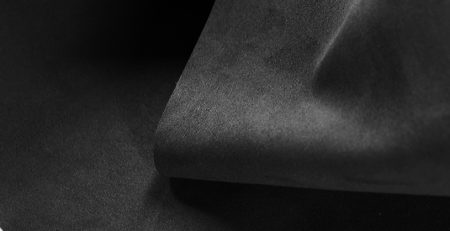
PU Leather Bags Explained Pros and Cons Compared to Genuine Leather

When you look for a new bag, you might see both pu leather bags and genuine leather options. PU leather comes from polyurethane, while genuine leather uses animal hide. Check the table below to see how pu and genuine types differ in texture, weight, and durability:
| Feature | PU Leather | Genuine Leather |
|---|---|---|
| Texture | Uniform | Natural imperfections |
| Weight | Lighter | Heavier |
| Durability | Cracks over time | Ages with character |
Understanding these details helps you choose the right pu bags based on appearance, durability, cost, environmental impact, care, and vegan status.
Key Takeaways
- PU leather bags are lighter and more affordable than genuine leather, making them a great choice for budget-conscious shoppers.
- Genuine leather develops a unique patina over time, adding character and individuality, while PU leather maintains its original look until it cracks.
- Consider your lifestyle and values when choosing between PU and genuine leather, as each has distinct advantages in terms of durability, maintenance, and environmental impact.
PU Leather Bags vs Genuine Leather
Material and Weight
When you compare pu leather bags to genuine leather bags, you notice clear differences in both material composition and weight. Manufacturers create pu leather by coating a fabric base, such as polyester or cotton, with a layer of polyurethane. This process produces a type of artificial leather that feels lighter and thinner than genuine leather. In contrast, genuine leather comes from animal hides, like cow or goat, which gives it a denser and heavier structure.
Here’s a quick look at the materials used:
| Type of Leather | Material Composition |
|---|---|
| PU Leather | Fabric base (polyester or cotton) coated with polyurethane |
| Genuine Leather | Animal hide (cow, goat, etc.) |
You will find that pu leather bags weigh less than their genuine counterparts. This lighter weight makes pu bags easier to carry, especially if you use your bag daily or for travel. The following table shows the typical weight range for each material:
| Material | Weight (g/m²) |
|---|---|
| Genuine Leather | 600–800 |
| PU Leather | 400–500 |
If you prefer a bag that feels light on your shoulder, you might choose pu leather over genuine leather.
Appearance and Texture
The appearance and texture of your bag can influence your buying decision. PU leather offers a uniform look, with flawless surfaces and repeating embossed patterns. This consistency appeals to those who want a perfect, manufactured finish. On the other hand, genuine leather displays natural grain patterns, unique imperfections, and complex pore structures. These features give each genuine bag its own character.
Here’s how the two compare under close inspection:
| Feature | Genuine Leather | PU Leather |
|---|---|---|
| Grain Patterns | Natural, irregular patterns | Uniform, repeating embossed patterns |
| Surface Imperfections | Natural blemishes, signs of authenticity | Flawless surfaces, manufactured perfection |
| Pore Structure | Unique, complex pore structures | Lacks natural pore structures |
| Tactile Characteristics | Warm to the touch | Cold, plastic-like feel |
You will notice that genuine leather feels warm and soft, while pu leather often feels colder and more plastic-like. If you value authenticity and individuality, genuine leather may suit you better. If you want a consistent, modern look, pu leather bags deliver that style.
Breathability and Patina
Breathability affects how comfortable your bag feels and how well it handles moisture. Genuine leather allows air to pass through, which helps prevent trapped odors and moisture buildup. PU leather, as a type of synthetic leather, has limited breathability due to its polyurethane coating.
The difference in moisture vapor transmission rate (MVTR) is significant:
| Material | Moisture Vapor Transmission Rate (MVTR) |
|---|---|
| Genuine Leather | 10,000–20,000 g/m²·24 h |
| PU Leather | < 2,000 g/m²·24 h |
Another key difference is patina development. Over time, genuine leather develops a soft sheen and darkens in tone. The surface becomes more supple, and each bag gains a unique look based on how you use it. This process adds character and individuality. For example, frequent handling lets skin oils seep into the leather, creating darker patches and a beautiful aged effect. PU leather does not develop a patina. It keeps its original appearance until it starts to crack or degrade.
- Genuine leather develops a soft sheen and darkens in tone over time.
- It softens in texture, becoming more supple.
- Each bag’s patina is unique, enhancing its individuality.
If you want a bag that tells a story and ages gracefully, genuine leather stands out. If you prefer a bag that stays the same from day one, pu leather bags offer that consistency.
PU Leather vs Genuine Leather: Cost, Care, and Environmental Impact
Cost Comparison
When you compare the price tags, you see that pu leather bags usually cost much less than genuine leather bags. This makes pu bags attractive if you want style on a budget. However, you should also think about long-term expenses. Here’s what you need to know:
- Genuine leather bags can last for decades with proper care, so you may only buy one bag in many years.
- PU leather bags, which are a type of artificial leather, often need replacing every 2–5 years. Over ten years, you could spend $240–$400 replacing pu bags, while a single quality leather bag might last the whole time.
- The lower initial cost of pu leather can add up if you replace bags often.
Maintenance and Cleaning
You will find that cleaning pu leather is simple. You can wipe most stains away with a damp cloth and mild soap. Genuine leather needs more attention and regular conditioning. The table below shows the main differences:
| Leather Type | Cleaning Method | Conditioning Needs | Common Risks | Lifespan (with care) |
|---|---|---|---|---|
| Genuine | Damp cloth + leather cleaner | Every 3–6 months | Cracks, mold, water stains | 10–20 years |
| PU/Synthetic | Wipe with damp cloth, mild soap | None | UV cracks, peeling | 2–3 years |
PU leather resists stains and fading better than genuine leather. You will spend less time on maintenance with pu or synthetic leather bags.
Environmental and Vegan Factors
Many people choose pu leather because it does not use animal products. This makes it a vegan option. However, you should know about the environmental impact:
| Aspect | Details |
|---|---|
| Vegan Qualification | PU leather does not use animal products, preventing animal harm. |
| Environmental Limitations | PU leather is non-biodegradable and made from fossil fuels. |
| Chemical Composition | Uses chemicals less hazardous than those in animal leather tanning. |
You get a vegan bag with pu, but you also support the use of non-renewable resources. Genuine leather is not vegan, but it is biodegradable. Consider both durability and environmental effects when you choose between pu and genuine leather.
Pros and Cons of PU Leather Bags
PU Leather: Advantages
When you look at pu leather bags, you find several benefits that make them popular.
- You can clean pu leather easily with a damp cloth, so you spend less time on maintenance.
- The price of pu leather bags is lower than genuine leather, which helps you save money.
- Many pu bags resist stains and scratches better than other synthetic options, so you get more use before seeing damage.
If you want style and convenience, pu leather gives you both.
PU Leather: Disadvantages
You should know the drawbacks before choosing pu leather.
- The plastic layer on pu bags can crack or peel, especially with frequent use.
- Lower-quality pu leather has a thin surface, so it wears out faster.
- The material is less durable than genuine leather, so you may need to replace your bag sooner.
| Material | Durability | Susceptibility to Damage |
|---|---|---|
| PU Leather | Less durable, may crack or peel | More susceptible to wear and tear |
| Genuine Leather | Long-lasting, develops patina | More resistant to damage |
Genuine Leather: Advantages
You get lasting value with genuine leather. This material stands out for its durability. Your bag resists scratches and keeps its shape over time. As you use it, genuine leather develops a patina, which means the color deepens and the texture softens. Each bag becomes unique, showing marks that add character. High-quality leather bags often retain much of their value, especially those from luxury brands.
Genuine Leather: Disadvantages
You face some challenges with genuine leather.
- The production process uses large amounts of water and chemicals, which can harm the environment.
- Workers in tanneries risk health problems from chemical exposure.
- Ethical concerns exist about animal welfare and labor practices.
- You need to condition and clean your bag regularly to keep it looking good.
Tip: If you care about environmental impact, consider how much water and chemicals go into making a genuine leather bag.
Distinguishing PU Leather
You can spot pu leather bags by checking a few features:
- Smell the bag. Genuine leather has an earthy scent, while pu leather smells like plastic.
- Look at the surface. Real leather shows unique patterns and imperfections. Pu leather looks uniform.
- Touch the material. Genuine leather feels softer.
- Drop water on the surface. Real leather absorbs water, but pu leather repels it.
- Only genuine leather develops a patina as it ages.
If you want to know the pros and cons of pu leather, these tips help you make the right choice.
You see clear differences between PU leather and genuine leather bags. The table below highlights the main features:
| Feature | PU Leather | Genuine Leather |
|---|---|---|
| Cost | More affordable | Higher initial price |
| Durability | Prone to cracking | Ages well, lasts longer |
| Maintenance | Easy to clean | Needs regular care |
| Environmental | Non-biodegradable | Biodegradable if sourced well |
Consider your lifestyle, budget, and ethical views. If you want cruelty-free and low-cost options, PU leather suits you. If you value durability and unique aging, genuine leather works best. Weigh appearance, care needs, and vegan status before you decide.

FAQ
How do you clean a PU leather bag?
You can wipe your PU leather bag with a damp cloth. Use mild soap for tough stains. Avoid harsh chemicals to keep the surface looking new.
How to tell if it is vegan leather?
Check the label or product description. Vegan leather does not use animal products. You can also look for uniform texture and a plastic-like smell.
Does PU leather crack easily?
PU leather may crack or peel after frequent use. You should avoid overstuffing your bag and keep it away from direct sunlight for longer life.