Key materials used in safety shoes

You see rapid changes in safety shoes material for 2026. The most common materials include aluminum, stainless steel, polycarbonate, composite fiber, foams, textiles, polyurethane, and nitrile rubber. These materials give you protection, comfort, and durability. Your choice of materials in safety shoes affects performance and safety.
| Component | Materials Used |
|---|---|
| Protective Toe Cap | Aluminum, Stainless Steel, Polycarbonate, Composite Fiber |
| Insole | Foams, Textiles |
| Outsole | Polyurethane, Nitrile Rubber |
Key Takeaways
- Choose the right toe cap material for your needs. Steel offers maximum protection, aluminum is lightweight, and composite is non-metallic for electrical safety.
- Select upper materials based on your work environment. Full-grain leather provides durability, microfiber is easy to clean, and textiles offer breathability.
- Look for moisture-wicking and antimicrobial linings in insoles. These features enhance comfort and hygiene, especially during long shifts.
Safety Shoes Material by Part
Steel Toe Cap Safety Boots Materials
You rely on steel toe cap safety boots for maximum protection in hazardous environments. The main toe cap materials in 2026 include steel, aluminum, and composite fiber. Each material offers unique advantages and drawbacks, which influence your choice of materials for different workplaces.
| Material Type | Advantages | Disadvantages |
|---|---|---|
| Steel Toe Caps | Cost-effective, durable, strong impact protection | Conducts cold/heat, triggers metal detectors, entrapment risk |
| Aluminum Toe Caps | Lighter, cooler, good protection | More expensive, conducts cold, less durable |
| Composite Toe Caps | Lightweight, corrosion-resistant, no heat/cold conduction | May lose durability after impact, thicker for same protection |
Steel toe caps give you excellent impact resistance and high tensile strength. They withstand significant forces and resist deformation, making them a preferred option for safety shoes material in heavy industries. Aluminum toe caps reduce weight and keep your feet cooler, which helps when you need lighter work boots. Composite safety shoes use materials like Kevlar and carbon fiber. These do not conduct heat or electricity, so you stay safer in electrical hazard zones. Composite toe caps also offer comfort and are suitable for environments where metal detection is a concern.
Tip: Choose steel toe cap safety boots if you need maximum durability and impact protection. Select composite safety shoes for lightweight comfort and non-metallic safety.
Upper Materials in Safety Shoes
The upper material of safety shoes determines both protection and comfort. In 2026, manufacturers use a mix of traditional and advanced raw materials to balance durability, breathability, and style.
| Material | Key Benefits |
|---|---|
| Full-grain leather | Toughness, abrasion resistance, durability |
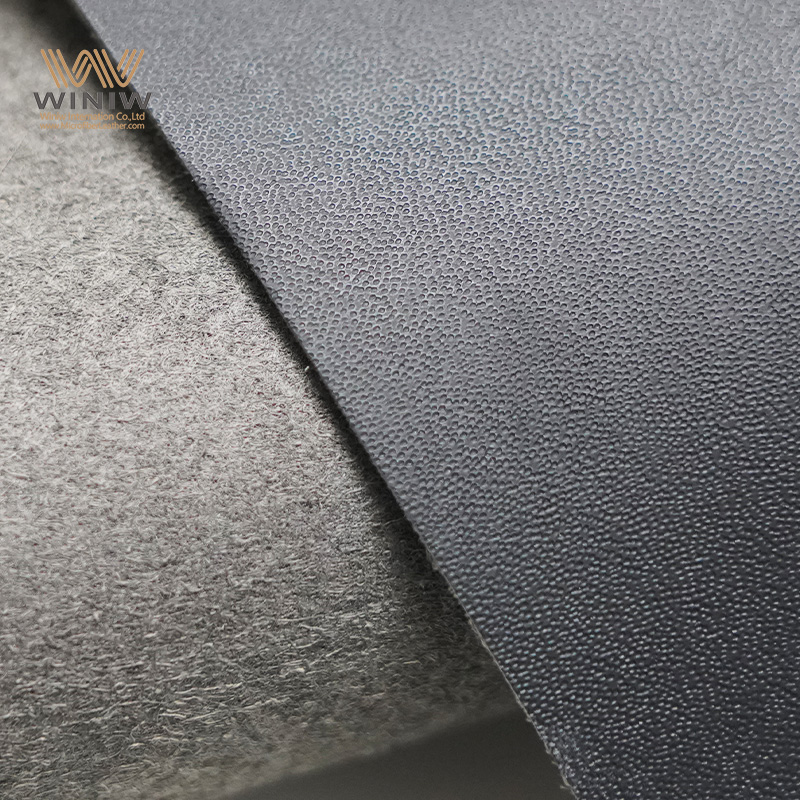
| Microfiber leather | High wear resistance, easy cleaning, antifouling properties |
| Textile materials | Breathability, reduced weight, comfort |
Full-grain leather stands out for its toughness and abrasion resistance. You get long-lasting wear and natural water repellency, which is essential for demanding work environments. Microfiber leather offers high wear resistance and easy cleaning. It resists liquids and stains, making it a practical choice for messy jobs. Textile uppers provide breathability and reduce the overall weight of safety shoes. Mesh fabrics keep your feet cool and comfortable, especially in hot conditions.
A comparison of these upper materials shows that leather gives you durability and water resistance, microfiber provides softness and easy maintenance, and textiles offer breathability and design flexibility. Your choice of materials for the upper depends on the hazards you face and the level of comfort you need.
Lining and Insole Materials
Lining and insole materials play a key role in the comfort and hygiene of safety shoes. In 2026, you find moisture-wicking linings and antimicrobial substances as standard features. These raw materials help manage sweat and reduce odor, which is important for long shifts.
Polyurethane (PU) and ethylene-vinyl acetate (EVA) foam insoles provide cushioning and support. These materials absorb shock and reduce fatigue, so you can stay productive throughout the day. Podiatrists recommend breathable insoles that allow air circulation and prevent moisture buildup. This extends the lifespan of your safety shoes and keeps your feet healthy.
Note: Always check for antimicrobial and moisture-wicking linings when choosing safety shoe materials. These features improve comfort and help prevent foot problems.
Sole Materials for Safety Shoes
The sole is the foundation of safety shoes. It must deliver slip resistance, durability, and protection against workplace hazards. In 2026, the most common sole materials include rubber, polyurethane (PU), thermoplastic polyurethane (TPU), and polyvinyl chloride (PVC).
| Material Type | Characteristics |
|---|---|
| Rubber | Valued for slip and oil resistance. |
| Thermoplastic Polyurethane (TPU) | Lightweight, highly resistant to abrasion, chemicals, and oils. |
| PU | Lightweight, resists oil, chemicals, abrasions |
| PVC | Cost-effective protection |
Rubber outsoles provide excellent slip resistance and withstand high heat, making them ideal for wet or oily surfaces. PU soles are lightweight and absorb shock, which reduces fatigue during long hours. TPU soles offer flexibility and high responsiveness, perfect for high-impact tasks. PVC soles give you cost-effective protection but may not last as long as rubber or PU.
You should match the sole material to your work environment. For example, rubber excels in slip resistance and durability, while PU and TPU are better for comfort and chemical resistance. Tread design and rubber compounds further enhance anti-slip performance, especially on uneven or wet surfaces.
Reminder: Always consider the specific hazards in your workplace when selecting safety shoes material. The right raw materials in the sole can prevent slips, falls, and injuries.
By understanding the properties and benefits of each material, you can make informed decisions about safety shoe materials for every part of your footwear. This ensures you get the best combination of protection, comfort, and durability for your needs.
Innovations in Safety Footwear Materials 2026
Sustainable and Eco-Friendly Safety Shoe Materials
You see a major shift toward sustainable safety shoes material in 2026. Manufacturers now use recycled plastics, organic cotton, and Piñatex, a leather alternative made from pineapple leaf fibers. These raw materials help reduce waste and lower the carbon footprint of safety shoes. Many brands seek certifications like B Corp, GOTS, Bluesign, and Cradle to Cradle to prove their commitment to environmental responsibility.
| Material/Certification | Description |
|---|---|
| Recycled Plastics | Used in safety shoes to reduce waste and resource consumption. |
| Organic Cotton | Grown without harmful chemicals for better environmental impact. |
| Piñatex | Leather alternative from pineapple leaves, offering durability. |
| B Corp, GOTS, Bluesign | Ensure high standards for eco-friendly production. |
You benefit from these innovations through improved comfort and quality. Sustainable safety shoe materials also align with global safety standards and consumer demand for responsible products. Companies now focus on eco-friendly manufacturing, which supports your choice of materials for work boots and steel toe cap safety boots.
Advanced Composites and Smart Materials
You experience new levels of protection and comfort with advanced composites and smart safety shoes material. Composite safety shoes use nanotechnology-infused fabrics and lightweight composites like Kevlar and fiberglass. These materials offer superior impact resistance, slip resistance, and durability compared to traditional toe cap materials.
| Innovation Type | Description |
|---|---|
| Smart Technology | Sensors monitor movement, temperature, and pressure for real-time safety. |
| Nanotechnology Fabrics | Lightweight, water-resistant, and abrasion-resistant for better comfort. |
| 3D Printing | Custom-fit safety shoes for improved ergonomic support. |
Smart features in safety shoes track your movements and monitor health data, reducing injury risk and increasing compliance with safety standards. You gain more comfort and productivity, while brands build loyalty by offering innovative safety shoe materials that meet your needs.
Tip: Choose composite safety shoes with advanced raw materials for the best mix of protection, comfort, and durability.
You should focus on the quality and role of each material when choosing safety shoes. The table below highlights how safety shoe materials like steel toe, composite toe, and slip resistance provide protection and comfort. Your choice of materials and raw materials directly impacts the durability and performance of safety footwear.
| Material Type | Key Feature | Ideal Use Case |
|---|---|---|
| Steel Toe | Maximum impact protection | Construction, heavy industry |
| Composite Toe | Lightweight, non-metallic | Electrical, security areas |
| Slip-Resistant Sole | Enhanced grip | Wet or oily environments |

FAQ
What makes steel toe cap safety boots different from composite safety shoes?
Steel toe cap safety boots use metal for protection against heavy impact. Composite safety shoes use advanced materials like fiberglass or Kevlar, offering lightweight comfort and electrical hazard safety.
How do raw materials affect slip resistance in safety shoes?
Raw materials like rubber and polyurethane improve slip resistance. You get better grip and stability, which reduces the risk of slips and injuries at work.
Can composite safety shoes provide the same impact protection as steel toe cap safety boots?
Composite safety shoes offer strong impact protection using reinforced fibers. Steel toe cap safety boots deliver maximum impact resistance, especially in environments with heavy machinery or falling objects.