What Goes Into Making Football Leather Material

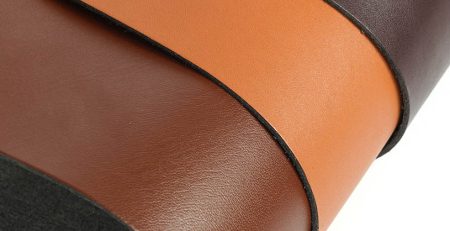
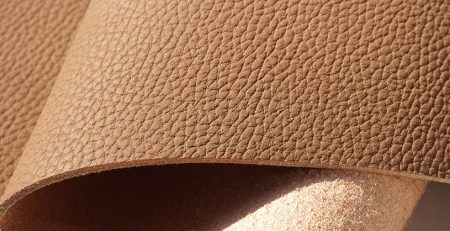
Football Leather Material often comes from cowhide, especially steer hide, valued for its strength and grip. Modern footballs feature synthetic options such as PVC, PU, and TPU. Manufacturers select these materials based on durability, water resistance, and touch. The construction also includes rubber or butyl bladders, polyester or cotton fabric layers, and synthetic laces.
The table below shows why manufacturers prefer certain synthetic materials:
| Material | Properties | Performance Characteristics |
|---|---|---|
| PVC | Water resistant, durable | Predictable flight, textured grip |
| PU | Softer, durable | Better touch, precise passes |
| TPU | Flexible, tough | Handles impacts, used in blends |
What Goes Into Making Football Leather Material
- Football leather material primarily comes from cowhide, valued for its strength, grip, and durability.
- Synthetic materials like PVC, PU, and TPU offer advantages such as water resistance and lower costs, making them popular for various levels of play.
- The tanning process enhances leather’s durability and grip, ensuring it withstands wear and moisture during games.
- Choosing the right football depends on factors like playing frequency, weather conditions, and budget, with genuine leather offering superior performance and synthetics providing affordability.
- Understanding the differences in bladder types and fabric layers can help players select a football that meets their performance needs.
Football Leather Material: Natural Origins
Cowhide and Steer Hide
Manufacturers often choose cowhide and steer hide as the primary sources for football leather material. These hides offer several physical and chemical properties that make them ideal for sports equipment.
- Breathability allows the leather to remain flexible and comfortable during play.
- Adaptability means the leather softens over time, conforming to the shape of the ball and the player’s grip.
- Durability stands out as one of the most important features. Cowhide leather has a density between 0.4 and 0.9 g/cm³, which gives it remarkable strength and toughness.
- Tensile strength ranges from 8-25 N/mm², with some types reaching up to 317.795 kg/cm².
- Water resistance, especially in chrome-tanned leather, helps control moisture and prevents the ball from becoming too heavy.
- Temperature regulation comes from the high air content in the leather, which insulates the ball and keeps it comfortable in different weather conditions.
- Moisture management allows water vapor to pass through, helping to keep the ball dry.
- Environmental impact remains low because cowhide is a byproduct of the livestock industry, making it a responsible choice.
These qualities explain why official leagues, such as the NFL, continue to use natural leather for their game balls.
Processing and Tanning
The journey from raw hide to finished football leather material involves several important steps. Each stage improves the leather’s durability, grip, and appearance.
- Preservation: Workers store and transport raw hides to prevent decay and maintain quality.
- Preparation: The hides undergo cleaning and treatment to open the collagen structure, making them ready for tanning.
- Tanning: This step transforms the collagen in the hides into leather, making it resistant to bacteria, fungi, and decay.
- Post-tannage: Additional treatments, such as dyes and fatliquors, enhance the leather’s properties.
- Finishing: Surface treatments give the leather its final appearance and improve durability.
The tanning process changes the chemistry of the leather fibers. This transformation increases resistance to degradation from bacteria and fungi, which greatly improves the durability of football leather material. Re-tanning nourishes the leather with oils and waxes, preventing breakdown and enhancing grip. Hot stuffing, which adds natural oils and waxes, further protects the leather and ensures long-lasting water resistance.
Tip: The combination of tanning, re-tanning, and hot stuffing gives natural leather footballs their signature feel and reliable grip, making them a favorite among professional players.
Traditional vs. Modern Use
Natural leather dominated football manufacturing for many decades. In the 1970s, manufacturers began to explore synthetic alternatives because of leather’s limitations. Synthetic materials like PU and PVC offered lighter weight, better water resistance, and improved shape retention. The 1982 World Cup marked a turning point when the Adidas Tango ball, the last natural leather ball used in a World Cup, featured a polyurethane coating for water repellence. After this event, synthetic leather became the preferred choice for most footballs due to its durability and consistent performance in all weather conditions.
Despite the rise of synthetics, many professional leagues still use natural leather for official matches. Players value the unique grip, feel, and tradition that only genuine leather can provide.
Synthetic Football Leather Material
PVC, PU, and TPU
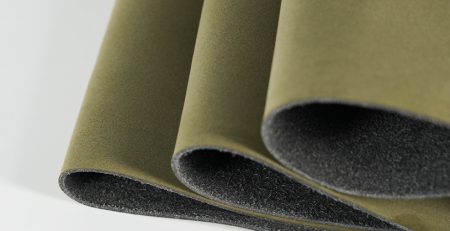
Synthetic materials have changed the way manufacturers produce footballs. Three main types—PVC (polyvinyl chloride), PU (polyurethane), and TPU (thermoplastic polyurethane)—dominate the market. Each material brings unique qualities to the table, making them suitable for different levels of play and weather conditions.
| Material | Characteristics | Applications |
|---|---|---|
| PU | Excellent wear and tear resistance, good elasticity, low-temperature resistance | Real match and club training balls |
| TPU | High elasticity, abrasion and stain resistance, environmentally friendly | Training and junior match balls |
| PVC | Hardness, performs better in warm weather, inferior performance in cold | Promotional and recreational balls |
PU stands out for its durability and flexibility, making it a top choice for professional and club-level matches. TPU offers high elasticity and resists stains, which makes it ideal for training and youth games. PVC, known for its hardness, works best in warm weather and often appears in promotional or recreational footballs.
Synthetic vs. Natural Leather
Synthetic materials have become popular alternatives to traditional leather. They offer several advantages in terms of performance and maintenance. Many players notice that synthetic footballs feel lighter and handle wet conditions better than natural leather balls. Synthetic options also tend to be more affordable and require less care.
- Leather cleats provide unmatched comfort after breaking in but are heavier and more expensive.
- Synthetic cleats are lightweight, budget-friendly, and offer excellent weather versatility.
- In terms of durability, leather ages well and maintains structure but struggles in wet conditions, while synthetics perform better in wet and muddy environments.
- Both materials have aggressive cleat designs that provide good traction, but synthetics perform better in rainy conditions.
Synthetic football leather material resists water and mud, keeping its shape and grip even during heavy rain. Natural leather, while offering a unique feel and tradition, can absorb moisture and become heavy. Players who train or compete in various weather conditions often prefer synthetic footballs for their consistent performance.
Why Synthetics Are Popular
Manufacturers and consumers choose synthetic football leather material for many reasons. These materials offer practical benefits and align with modern values.
- Wear resistance: Synthetic leather resists cracking and fading, making it easier to maintain.
- Design and color versatility: Manufacturers can create footballs in a wide range of colors and finishes.
- Cost improvements: Efficient production processes lower costs, making high-quality footballs more accessible.
- Environmental impact: Some synthetic leathers use recycled materials and require fewer resources than natural leather.
- Ethical considerations: Synthetic options appeal to consumers who prefer vegan or cruelty-free products.
Synthetic footballs meet the needs of schools, clubs, and recreational players who want durable, affordable, and easy-to-care-for equipment. The combination of performance, price, and ethical benefits explains why synthetic materials have become so widespread in the world of football.
Inner Components and Construction
Bladders: Rubber, Butyl, Polyurethane
The bladder sits at the heart of every football, holding air and shaping the ball. Manufacturers use several materials for bladders, each with unique properties. Latex bladders appear in high-end game balls because they offer excellent elasticity and a soft touch. However, latex allows air to escape through tiny pores, so these balls need frequent inflation. Butyl bladders, on the other hand, provide strong air retention and keep the ball inflated for weeks. Polyurethane bladders have become popular since the late 1980s. They offer even better air retention than butyl and can last for years without losing shape.
| Bladder Type | Air Retention | Bounce/Feel | Durability | Recommended Use |
|---|---|---|---|---|
| Latex | Low | High | Low | Top-quality balls, needs frequent refilling |
| Butyl | High | Moderate | High | Regular match or club training balls |
| Polyurethane | Very High | Moderate | Very High | Premium match balls, long lifespan |
Polyurethane bladders replaced butyl rubber in many footballs because they keep air longer and extend the ball’s lifespan.
Fabric Layers: Polyester, Cotton
Fabric layers wrap around the bladder and support the outer cover. These layers affect the ball’s strength, weight, and comfort. Polyester stands out for its durability and resistance to wear. It dries quickly and keeps its color, making it a practical choice for most modern footballs. Cotton, in contrast, feels softer and offers excellent breathability. However, cotton absorbs moisture, becomes heavy when wet, and breaks down faster with frequent use.
| Feature | Polyester | Cotton |
|---|---|---|
| Durability | Extremely strong, high resistance to wear | Breaks down faster with frequent washing |
| Lightweight | Lighter than cotton, less restrictive | Heavier when wet due to moisture retention |
| Quick-Drying | Dries within minutes, reducing discomfort | Slow to dry, can feel damp and heavy |
| Softness | Less soft than cotton | Naturally soft and comfortable |
Most manufacturers choose polyester for its strength and low maintenance, while some premium balls use a blend for better feel.
Laces and Stitching
Laces and stitching hold the football together and help maintain its shape. Synthetic laces have replaced traditional leather laces in most footballs. They resist water and stay tight, even in wet conditions. Stitching uses strong polyester or nylon threads to join the panels. Hand-stitched balls offer better durability and a more consistent shape, while machine-stitched balls provide faster production and lower costs.
Note: The combination of advanced bladders, durable fabric layers, and precise stitching ensures that modern footballs deliver reliable performance and long-lasting quality. These components work together with the football leather material to create a ball that meets the demands of every level of play.
Comparing Football Leather Materials
Durability and Performance
Football Leather Material varies in durability depending on its type. Genuine leather footballs last longer than synthetic ones under regular use. PU leather footballs serve players for a few months to several years, while real leather footballs often outlast synthetics. The table below shows the average lifespan for each type:
| Type of Football | Average Lifespan |
|---|---|
| PU Leather | A few months to several years |
| Real Leather | Generally longer than synthetic |
Players who need a ball for frequent matches or training sessions often choose genuine leather for its extended lifespan. Synthetic options suit recreational users who want a reliable ball without the need for regular maintenance.
Grip and Handling
Grip and handling play a crucial role in football performance. Weather conditions affect how each material responds during play. Genuine leather provides the best grip, especially in wet conditions. Composite leather offers good grip and durability, making it a popular alternative. Synthetic leather can become slippery when wet but remains easy to clean and affordable. The table below compares grip performance:
| Material | Grip Performance in Wet Conditions | Pros and Cons |
|---|---|---|
| Synthetic Leather | Less grip, can become slippery | Affordable, weather-resistant, easy to clean |
| Composite Leather | Good grip, better than synthetic | Good grip, durable, affordable alternative to leather |
| Genuine Leather | Best grip, handles wet conditions | Excellent grip, excellent durability, requires maintenance |
Synthetic footballs stay lighter in rainy weather because they do not absorb moisture. Laboratory tests show that synthetic leather absorbs less water than genuine leather, which improves stability and handling in wet conditions.
Cost and Accessibility
Cost and accessibility influence the choice of Football Leather Material for different users. Synthetic footballs cost less and offer a wide range of colors and designs. Schools and youth leagues often select synthetic balls for their affordability and easy care. Genuine leather footballs cost more and require regular maintenance, but they deliver superior performance and tradition. Composite leather provides a balance between price and quality, making it suitable for club-level play.
Tip: Players should consider how often they play, the weather conditions, and their budget before choosing a football. Each material offers unique benefits for professionals, recreational users, and youth players.
Football leather materials include synthetic, composite, and genuine leather, each offering unique benefits. The table below shows which type suits different players:
| Material Type | Best For | Pros | Cons |
|---|---|---|---|
| Synthetic Leather | Beginners, casual play, wet weather | Affordable, weather-resistant, easy to clean | Less grip and feel than leather |
| Composite Leather | Training, youth leagues | Good grip, durable, affordable | Slightly heavier feel |
| Genuine Leather | High school, college, pros | Premium grip, consistent spiral, durable | Needs break-in, higher price, not for rain |
Younger players often choose composite balls for comfort and price, while older athletes prefer genuine leather for grip and durability. Environmental impact also matters. Synthetic options use fewer resources and can be recycled, but natural leather comes from renewable sources. Manufacturers now explore plant-based and recycled materials to create eco-friendly footballs. Players should consider performance, feel, durability, and sustainability when selecting a football.

FAQ
What is the main material used in official footballs?
Cowhide, especially steer hide, serves as the primary material for official footballs. Manufacturers select it for its durability, grip, and traditional feel. Professional leagues, such as the NFL, continue to use natural leather for game balls.
Why do manufacturers use synthetic materials in footballs?
Synthetic materials like PVC, PU, and TPU offer water resistance, lower cost, and consistent performance. These materials help footballs maintain shape and grip in various weather conditions. Schools and recreational leagues often prefer synthetic options.
How does the bladder affect football performance?
The bladder holds air and shapes the ball. Butyl and polyurethane bladders provide strong air retention and durability. Latex bladders offer a softer touch but require frequent inflation. The choice of bladder impacts bounce and lifespan.
Can football leather material be recycled?
Some synthetic football leathers use recycled materials. Manufacturers now explore eco-friendly options, including plant-based and recycled synthetics. Genuine leather comes from renewable sources, but recycling remains limited.
How should players care for leather footballs?
Players should clean leather footballs with a damp cloth and store them in a dry place. Regular conditioning with leather oil helps maintain grip and prevents cracking. Avoid soaking leather balls in water.