What Makes PU, TPU, and PVC Footballs Different

You notice clear differences when choosing between Football PU Material, TPU, and PVC footballs. PU offers superior touch and performance for professional play. TPU gives good sensitivity and durability, making it ideal for training. PVC feels harder and costs less, which suits beginners. Sustainability and environmental impact also matter in your decision.
What Makes PU, TPU, and PVC Footballs Different
- PU footballs provide the best touch and control for professional matches. Choose them for superior performance.
- TPU footballs are durable and eco-friendly, making them ideal for training. They last longer and are better for the environment.
- PVC footballs are affordable and suitable for beginners. They work well for casual play but lack the performance of PU and TPU options.
Football PU Material, TPU, and PVC Compared
When you look at different types of footballs, you notice that the materials used in footballs play a huge role in how each ball feels, lasts, and performs. The three main materials—football pu material, tpu, and pvc—each offer unique benefits and drawbacks. Let’s break down what sets them apart.
PU Footballs: Material & Touch
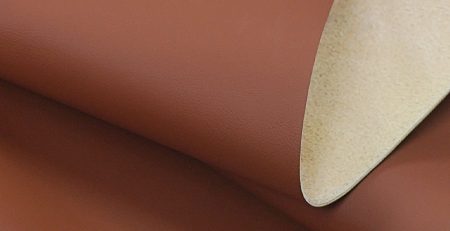
PU footballs use polyurethane as the outer layer. This pu material gives the ball a soft, flexible surface that closely resembles natural leather. You experience a premium touch and grip, which helps you control the ball with precision. Professional players and coaches often choose pu footballs for match play because of their superior touch sensitivity and responsiveness. The soft surface allows for accurate passes and shots, making these balls the gold standard for competitive games.
Here’s a quick look at the key characteristics of football pu material:
| Characteristic | Description |
|---|---|
| Softness | Softer than pvc, similar to natural leather, offers better flexibility. |
| Grip | Excellent ball control, helps with precise passing and shooting. |
| Water Resistance | Resists water and stains, keeps shape and quality even in wet conditions. |
PU footballs also maintain their integrity in various weather conditions. You get reliable performance whether you play indoors or outdoors. However, these balls cost more and require careful handling to keep their premium feel.
Tip: If you want the best touch and control for matches, choose football pu material.
TPU Footballs: Durability & Eco-Friendliness
TPU footballs use thermoplastic polyurethane, a material that combines flexibility and toughness. You find tpu footballs ideal for training and frequent use because they resist scuffing and rough surfaces. The manufacturing process for tpu does not require vulcanization, which means these balls can be recycled and have shorter production cycles.
TPU stands out for its eco-friendly properties. It breaks down in 3-5 years and does not release toxic chemicals during disposal. You help the environment when you pick tpu footballs over pvc options. The table below shows how tpu compares to other materials:
| Material | Biodegradability | Recyclability | Carbon Footprint |
|---|---|---|---|
| TPU | 3-5 years | Yes | Lower |
| PU | Not specified | No | Higher |
| PVC | Hundreds of years | No | Highest |
You also benefit from the durability of tpu footballs. They last longer, withstand repeated kicks, and offer good shock absorption. While tpu does not match the softness of pu, it still provides a comfortable touch and consistent performance for training.
- Outer layer: Polyurethane (PU) or PVC
- Inner bladder: Butyl or latex
- Backing: Foam and fabric for softness and strength
PVC Footballs: Cost & Hardness
PVC footballs use polyvinyl chloride as the main material. You notice that pvc footballs feel harder and less elastic than pu or tpu options. These balls are popular for casual play and in developing countries because they cost much less—often around $15 each. The affordability of pvc footballs makes them accessible to more people, especially beginners and families.
However, pvc has some drawbacks. The production process involves hazardous chemicals, and disposal releases toxic substances into the environment. PVC footballs take hundreds of years to break down, which creates long-term pollution problems. You also find that pvc footballs absorb water easily and lose their shape in wet conditions.
Note: PVC footballs are best for casual games and indoor play, but they do not offer the same touch or durability as pu or tpu footballs.
Use Cases: Match, Training, Casual
You should choose different types of footballs based on your needs. PU footballs work best for professional matches because they provide excellent grip, flight stability, and touch sensitivity. TPU footballs are perfect for training sessions and rough surfaces, offering durability and eco-friendliness. PVC footballs suit casual games and recreational use due to their low cost and waterproof nature.
Here’s a summary table to help you decide:
| Material | Professional Matches | Training Sessions | Casual Games |
|---|---|---|---|
| PU | Yes | No | No |
| TPU | No | Yes | Yes |
| PVC | No | Yes | Yes |
When you compare the performance of different types of footballs, you see that football pu material excels in match play, tpu footballs balance durability and sustainability for training, and pvc footballs offer affordability for recreational use. Each material has strengths and weaknesses, so you should consider your priorities before making a choice.
Quick Comparison & Recommendations
Summary Table: PU vs TPU vs PVC
You can compare PU, TPU, and PVC footballs quickly using the table below. This table highlights the main features, pros, and cons of each material so you can make an informed choice.
| Material | Durability | Feel | Control | Environmental Impact | Affordability | Pros | Cons |
|---|---|---|---|---|---|---|---|
| PU | High | Softer | Excellent | Moderate | Moderate | Exceptional touch, consistent flight, superior control | Needs careful maintenance, higher cost |
| TPU | High | Softer | Good | Better | Moderate | Good touch, durable, eco-friendly, excellent rebound | None significant |
| PVC | Moderate | Harder | Limited | Low | Low | Economical, weather-resistant, maintains shape | Harder, less responsive, not for competitive play |
Tip: PU footballs give you the best performance for matches. TPU balls work well for training and regular use. PVC balls suit beginners and casual games.
Choosing the Right Football
You should select your football based on your skill level, playing environment, and budget. Here is a simple guide:
- Beginners: Choose PVC balls. They help you practice basic skills and cost less.
- Intermediate Players: Pick TPU balls. You get better control and durability for training.
- Advanced Players: Use PU balls. You experience maximum touch and performance for competitive play.
- If you care about the environment, TPU balls offer better recyclability and use less energy during production.
- Schools and clubs often choose TPU balls for regular use because they balance price and durability.
- PU balls suit professional matches and serious players who want top performance.
- PVC balls work best for street soccer or rough surfaces.
Remember, your choice depends on your priorities. Consider touch, durability, cost, and sustainability before you buy.
You see clear differences in football materials. PU gives you the best touch for matches. TPU stands out for durability and eco-friendliness. PVC offers low cost for casual play. Use the table below to match your needs:
| Best For | PU | TPU | PVC |
|---|---|---|---|
| Match Play | ✅ | ||
| Training | ✅ | ||
| Casual Use | ✅ | ✅ | |
| Eco-Friendly | ✅ |
Choose the football that fits your priorities.

FAQ
What football material gives you the best control?
PU footballs give you the best control. You feel a soft touch and precise grip, which helps you play better in matches.
Are TPU footballs safe for the environment?
You help the environment when you choose TPU footballs.
| Material | Biodegradable | Recyclable |
|---|---|---|
| TPU | Yes | Yes |
Which football is most affordable for beginners?
- PVC footballs cost less.
- You save money and get a ball that works for casual games or practice.