Nubuck Suede Shoes vs Suede Shoes What Sets Them Apart

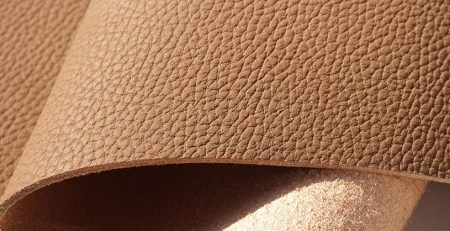
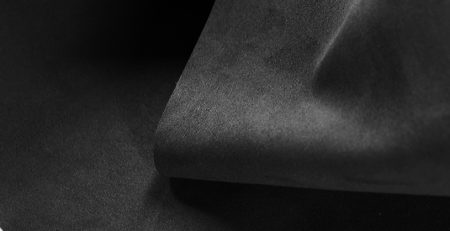
You will notice the real differences between nubuck suede shoes and suede shoes as soon as you touch them. Both nubuck and suede come from leather, but their textures and strength set them apart. Nubuck feels velvety and comes from the outer layer of cowhide, which gives it a durable surface and a stylish look that many sneaker fans love. Suede uses the inner split of the hide, creating a softer texture but less resistance to wear. If you want shoes that handle frequent use, nubuck stands out for its ability to keep its shape and look. Nubuck also resists moisture better than suede, so you can rely on it in wet weather. Understanding these real differences helps you pick the right pair for your lifestyle.
Nubuck Suede Shoes vs Suede Shoes What Sets Them Apart
- Nubuck suede shoes are more durable than regular suede shoes, making them ideal for daily wear and outdoor activities.
- Suede shoes offer a softer, more luxurious feel but require more maintenance to keep them looking fresh.
- Nubuck is water-resistant to some extent, while suede absorbs moisture easily, making it less suitable for wet conditions.
- Consider your lifestyle when choosing between nubuck and suede; nubuck is better for active use, while suede is perfect for stylish occasions.
- Both types of shoes need special care products, but nubuck is generally easier to maintain than suede.
Nubuck Suede Shoes Overview
What Is Nubuck?
You might notice that nubuck stands out from other types of leather. Nubuck comes from the outer layer of animal hide, which gives it a fine, velvety surface. When you touch nubuck, you feel a soft texture that still feels strong and supportive. Most nubuck leather comes from these sources:
- Cowhide
- Calfskin
Nubuck leather gets its unique look because manufacturers sand the grain side of the hide. This process creates a nap that feels smooth but still shows natural markings. You get a shoe that looks both rugged and refined.
How Nubuck Suede Shoes Are Made
You will find that the process for making nubuck suede shoes differs from other leather shoes. Manufacturers use the outer-facing layer of the hide, which is full-grain and thicker. They sand this surface to create the signature napped finish. This method keeps the leather strong and gives it a unique texture. The table below highlights the main differences in production:
| Feature | Nubuck Suede | Other Leather Types |
|---|---|---|
| Source of Leather | Outer-facing layer (full-grain) | Softer, lower layers (corium) |
| Sanding Process | Sanded to create a napped finish | Sanded inner surface for plush texture |
| Durability | Thicker and more durable | Varies, generally less durable |
| Water Resistance | Generally more water-resistant | Varies, often less resistant |
| Overall Appearance | Character from imperfections embraced | Typically smoother and more uniform |
You get a shoe that balances style and toughness. Nubuck leather shoes often show natural grain and small imperfections, which add character.
Main Features
Nubuck suede shoes offer several features that make them popular. You will notice the fine, warm, and velvety texture. These shoes feel more durable than regular suede. Nubuck also provides moderate water resistance, but you should still protect them from heavy moisture. The table below compares nubuck with suede:
| Feature | Nubuck | Suede |
|---|---|---|
| Texture | Fine, warm, velvety with grain character | Soft, fuzzy, uniform |
| Durability | Higher | Lower |
| Water Resistance | Moderate (needs protection) | Low (very absorbent) |
Tip: Nubuck leather shoes work well for both casual and dressy occasions. You can wear them with jeans or slacks and still look sharp.
Nubuck gives you a shoe that feels soft but lasts longer than many other leather types. You get a stylish option that stands up to daily wear.
Suede Shoes Overview
What Is Suede?
You might recognize suede as a type of leather with a soft, fuzzy surface. Manufacturers create suede by using the underside of animal hides, which gives it a delicate and smooth feel. When you touch suede leather, you notice its unique nap, which feels gentle and flexible. This material stands out for its comfort and style, making it a favorite for casual and dress shoes alike.
Suede is thinner and more brittle than other leathers since it is not full-grain. Additionally, it has a distinct feel that is soft and supple, napped rather than smooth.
You will find suede leather in many types, each with its own qualities. The table below shows the main types used in shoe production:
| Type of Suede | Characteristics | Applications |
|---|---|---|
| Deer Hide Suede | Soft, light, elastic; luxurious but sensitive to moisture. | Premium gloves, luxury accessories. |
| Lambskin Suede | Soft, light, elastic; requires careful care due to vulnerability. | Evening wear, premium-quality shoes. |
| Goat Suede | Durable; suitable for everyday use. | Footwear, jackets, work clothing. |
| Calf / Cowhide Suede | Thicker, strong; suitable for everyday footwear. | Jackets, shoes, work clothing. |
| Pigskin Suede | Rough, durable, breathable; large pores. | Lining for sports shoes. |
| Artificial Suede | Made from microfiber; cheaper and easier to clean but lacks premium quality. | Various applications from clothing to furniture. |
How Suede Shoes Are Made
You get suede shoes through a careful process that brings out their signature texture. The tanning process includes curing, washing, liming, splitting, napping, dyeing, and finishing. Each step shapes the final look and feel of suede leather. The napping process raises tiny fibers, which creates the soft surface you feel when you touch suede. This process also makes suede more delicate and prone to water or stain damage. Eco-tanned suede leather allows your feet to breathe and offers some resistance to moisture, which adds comfort for daily wear.
Main Features
You will notice several features that set suede shoes apart from nubuck. Suede leather feels softer and more pliable, which makes your shoes comfortable right out of the box. However, suede is less durable and needs more care to keep it looking fresh. The table below highlights the main differences:
| Feature | Suede | Nubuck |
|---|---|---|
| Texture | Soft, supple, and smooth | Thicker and more durable |
| Durability | Less durable | More durable |
| Maintenance | Requires more maintenance | Generally easier to maintain |
| Cost | Tends to be less expensive | Can be more expensive |
- Suede is softer and more flexible.
- Suede leather is generally less expensive.
- Suede requires more maintenance because it absorbs water and dirt easily.
Tip: If you want shoes that feel light and stylish, suede leather gives you a classic look. Just remember to protect them from rain and stains to keep them in top shape.
Key Differences Between Nubuck and Suede
Texture & Appearance
When you compare nubuck and suede, you notice the difference as soon as you touch them. Nubuck leather comes from the outer layer of the hide. This makes it thicker and gives it a more structured feel. You will see a fine, velvety surface with a pronounced nap. This texture creates a semi-rugged look that works well for both casual and dress shoes.
Suede leather, on the other hand, is made from the softer, lower layers of the hide. It feels much more supple and flexible. The surface is smooth and fuzzy, which gives suede shoes a luxurious and classic appearance. You can easily distinguish nubuck leather from suede by looking for these features:
- Nubuck has a more pronounced knap and a slightly rougher, matte finish.
- Suede feels softer, smoother, and more uniform to the touch.
- Nubuck often shows natural grain and small imperfections, adding character.
- Suede offers a plush, even surface that looks elegant but delicate.
Tip: If you want shoes with a rugged, outdoorsy vibe, nubuck suede shoes are a great choice. For a softer, more refined look, suede shoes stand out.
Durability & Water Resistance
Durability is one of the most important key differences between nubuck and suede. Nubuck leather is thicker and more robust because it comes from the outer hide. This makes nubuck shoes better at holding their shape and resisting scuffs. However, nubuck is still sensitive to water and stains, so you need to treat it with care.
Suede leather is thinner and more delicate. It feels comfortable but does not handle rough use as well as nubuck. Suede absorbs water quickly, which can cause stains and damage. Even if you treat suede shoes with a protective spray, you should avoid wearing them in heavy rain.
Here is a quick comparison table to help you see the differences:
| Feature | Nubuck Leather | Suede Leather |
|---|---|---|
| Durability | High (thicker, more robust) | Lower (softer, more delicate) |
| Water Resistance | Moderate (if treated) | Low (highly absorbent) |
| Resistance to Scuffs | Good | Poor |
| Best Use | Daily wear, outdoor, casual | Light use, indoor, dressy |
- Nubuck, when treated, provides moderate water resistance.
- Suede is not waterproof and is highly absorbent.
- Nubuck shoes require careful maintenance and are sensitive to water.
- Suede can handle light rain if treated but should stay away from heavy moisture.
Note: If you live in a rainy area or want shoes for outdoor use, nubuck leather offers better protection than suede. Always use a waterproof spray for both types to extend their life.
Price & Maintenance
Price and maintenance required are also key differences you should consider before buying. Nubuck suede shoes usually cost more than suede shoes. The reason is that nubuck leather uses the outer, higher-quality part of the hide and needs more processing. You pay for extra durability and a unique look.
Suede shoes are often less expensive. Suede leather comes from the inner split of the hide, which is easier to process and more widely available. However, you may spend more time and money on care products for suede because it stains and absorbs water easily.
Maintenance required for both types is important. Nubuck needs regular brushing and occasional cleaning with special products. You should avoid soaking nubuck in water. Suede requires even more attention. You need to brush it often, use erasers for stains, and keep it away from moisture.
Here is a summary to help you decide:
- Nubuck suede shoes cost more but last longer with proper care.
- Suede shoes are more affordable but need frequent cleaning and protection.
- Both types require special cleaners and brushes, but suede needs more maintenance overall.
Tip: If you want shoes that look good with less effort, nubuck leather is easier to maintain than suede. For a budget-friendly option with a soft feel, suede shoes are a classic pick.
Comparison Table
You can use this comparison table to quickly review the key differences:
| Aspect | Nubuck Suede Shoes | Suede Shoes |
|---|---|---|
| Texture & Appearance | Velvety, semi-rugged, pronounced nap | Soft, smooth, luxurious feel |
| Durability | High, holds shape well | Lower, more prone to wear |
| Water Resistance | Moderate (if treated) | Low, highly absorbent |
| Price | Higher | Lower |
| Maintenance Required | Moderate, regular brushing | High, frequent cleaning needed |
| Best For | Daily, outdoor, casual/dress | Light use, indoor, dressy |
Remember: You can distinguish nubuck leather from suede by checking the texture and thickness. Nubuck feels firmer and looks more rugged, while suede feels softer and looks more refined.
Pros and Cons
Nubuck Suede Shoes Pros & Cons
You will find that nubuck suede shoes offer a strong mix of comfort, style, and durability. Many people choose nubuck for its unique texture and ability to handle daily wear. Here is a table that highlights the most frequently mentioned advantages:
| Advantage | Description |
|---|---|
| Breathability | Nubuck is more breathable than other forms of leather, making it ideal for shoes. |
| Aesthetic Appeal | Nubuck has a pronounced knap, giving it a semi-rugged aesthetic. |
| Durability | Nubuck is thicker and more robust, suitable for frequent use and maintains its color after drying. |
You will also notice these benefits:
- Nubuck leather offers a soft, luxurious texture that provides immediate comfort.
- Breathability makes nubuck a great choice for warm weather and active use.
- Nubuck shoes develop a unique patina over time, which adds character.
- Many people appreciate the upscale feel of nubuck.
- Nubuck is more durable than suede, making it a better choice for everyday wear.
Nubuck is known for its resilience and longevity. The tougher exterior layer can handle more wear and tear, so you can rely on these shoes for frequent use.
However, you should also consider the drawbacks:
- Nubuck suede shoes stain easily, especially when exposed to dirt or mud.
- Low UV resistance can cause fading of color with heavy use.
Suede Shoes Pros & Cons
Suede shoes stand out for their comfort and classic look. You will enjoy the soft, pliable texture that conforms to your foot. Here are some top benefits:
- Unmatched comfort due to the soft and flexible material.
- Unique appearance that makes a bold fashion statement.
- Sophisticated and refined look that adds luxury to your wardrobe.
Suede shoes feel light and stylish, perfect for special occasions or when you want to stand out.
Still, you need to keep these drawbacks in mind:
- Durability: Suede is less durable than full-grain leather and wears out faster with frequent use.
- Damage and Stain Resistance: Suede is more vulnerable to water, fading, and stains.
- Cleaning: You need special brushes and techniques to clean suede without damage.
- Water Resistance: Suede is not waterproof and can be damaged by water, even with protective sprays.
You should weigh these pros and cons before choosing between nubuck and suede. Each material offers unique benefits, but also comes with its own set of challenges.
How to Choose
Usage & Lifestyle
You should think about your daily routine before picking between nubuck and suede. Nubuck works well for people who need shoes that last. If you walk a lot or spend time outdoors, nubuck suede shoes give you more durability and resist wear. Many people choose nubuck for rugged activities, everyday use, or brands like Timberlands and Ugg boots. Suede feels softer and lighter, making it a good choice for special occasions or when you want comfort. If you prefer fashion accessories or high-end loafers, suede fits your needs.
- Nubuck is more durable and handles frequent use.
- Suede requires more care and may wear out faster.
- Active lifestyles benefit from nubuck’s resilience against moisture and abrasion.
- Suede suits those who want comfort and a luxurious look.
Tip: If you want shoes for daily wear or outdoor use, nubuck is the better option. For style and comfort at events, suede stands out.
Style Preferences
Your personal style plays a big role in your decision. Nubuck gives you a semi-rugged, modern look that matches both casual and dress outfits. Recent trends favor nubuck because it resists abrasion and water better than suede. Many people like nubuck for its practical style and eco-friendly appeal. Suede offers a classic, elegant appearance. If you want shoes that feel soft and look refined, suede leather is a great choice. Designers often use suede for luxury shoes and accessories.
- Nubuck holds up better against daily wear and fits current trends for resilient materials.
- Suede is softer, more delicate, and perfect for a sophisticated wardrobe.
- Nubuck is easier to maintain, making it practical for everyday fashion.
- Sustainability trends support nubuck as an eco-friendly choice.
Note: Choose nubuck for a balance of style and toughness. Pick suede if you want a plush, high-end look.
Care Considerations
You need to consider how much time you want to spend on shoe care. Nubuck is more water-resistant than suede but still needs regular upkeep. You should use a nubuck brush, waterproofing spray, and a special cleaner to keep nubuck looking fresh. Suede requires even more attention. You will need a suede brush, eraser, and frequent cleaning to prevent stains and water damage. Suede absorbs moisture quickly, so you must protect it often.
- Nubuck needs regular brushing and waterproofing.
- Suede requires more frequent cleaning and stain prevention.
- Both types need special products, but suede demands more effort.
Tip: If you want shoes that are easier to care for, nubuck is the practical choice. Suede is best if you enjoy maintaining your shoes and want a soft finish.
How to Tell Them Apart
Visual Differences
You can spot the difference between nubuck and suede shoes by looking closely at their surfaces. Nubuck usually has a finer, more velvety nap. The texture feels soft but also slightly rough, almost like brushed velvet. You may notice that nubuck often shows natural grain patterns or small imperfections. These marks give nubuck shoes a rugged and unique look.
Suede, in contrast, has a softer and fuzzier appearance. The nap on suede shoes looks more uniform and plush. When you run your hand over suede, you feel a smooth and gentle surface. Suede shoes often appear lighter in color because the fibers reflect more light. You will also see that suede does not show grain patterns like nubuck does.
Here is a quick comparison table to help you:
| Feature | Nubuck | Suede |
|---|---|---|
| Nap | Fine, short, velvety | Soft, plush, fuzzy |
| Grain/Imperfections | Visible | Not visible |
| Color Reflection | Matte, muted | Lighter, more reflective |
| Overall Look | Rugged, outdoorsy | Elegant, classic |
Tip: If you see a shoe with a matte finish and visible grain, you are likely looking at nubuck. If the shoe looks soft and plush, it is probably suede.
Simple At-Home Tests
You can use a few easy tests at home to tell nubuck from suede. First, try the touch test. Rub your fingers across the shoe. Nubuck feels firmer and more structured, while suede feels softer and more flexible.
Next, try the water drop test. Place a small drop of water on the surface. Nubuck will absorb the water slowly, and you may see a dark spot that dries evenly. Suede absorbs water quickly, and the spot may spread out fast.
You can also use a brush test. Gently brush the surface with a soft brush. Nubuck will show slight changes in color as the nap moves, but the texture stays even. Suede will show more dramatic color shifts and may feel even softer after brushing.
- Touch Test: Nubuck feels firm and velvety. Suede feels soft and plush.
- Water Drop Test: Nubuck absorbs slowly. Suede absorbs quickly.
- Brush Test: Nubuck shows subtle color change. Suede shows a strong color shift.
Note: Always test in a hidden area first to avoid visible marks on your shoes.
Care Tips
Cleaning Nubuck Suede Shoes
You need to treat nubuck with care to keep your shoes looking their best. Start by brushing off loose dirt with a soft brush. For water stains, let your shoes dry completely, then brush the area gently. If you see oil stains, use a stiff brush or a suede eraser. For tough spots, fine-grain sandpaper can help remove oil marks. Always use a waterproofing spray to protect against moisture. Here are some expert cleaning and maintenance tips for nubuck:
- Dry mud before brushing it off.
- Use shoe trees to help shoes keep their shape and stay fresh.
- Avoid wearing the same pair of nubuck shoes every day.
- For ink or grease stains, try a leather degreaser or a special cleaner.
Tip: Most suede care methods also work for nubuck, so you can use similar products and techniques.
Cleaning Suede Shoes
Suede needs gentle care to stay soft and clean. Begin by using a suede brush to remove surface dirt. For deeper stains, a suede eraser works well. If you have grease stains, cornstarch can help absorb the oil, but you may need to apply it more than once. Laboratory tests show that some products work better than others for suede:
| Cleaning Product | Effectiveness | Notes |
|---|---|---|
| Uniters Leather Soft Cleaner | Most effective | Removes stains without discoloration |
| Micellar Water | Second place | Some stains remain, suede may become stiffer |
| Cornstarch | Good for grease | Needs several applications for best results |
Note: Always let your suede shoes dry naturally after cleaning. Avoid direct heat, which can damage the nap.
Protection & Storage
You can extend the life of your nubuck and suede shoes by following a few simple steps. Always brush your shoes after each wear to keep the nap fresh. Use a waterproofing spray to guard a