PU Faux Leather Explained for Beginners
Article
Key Takeaways
- PU faux leather is a vegan-friendly alternative to real leather, made by coating fabric with polyurethane. Always check labels to ensure it is truly animal-free.
- PU leather is affordable and easy to maintain. A simple damp cloth can clean it, making it ideal for furniture and fashion items.
- Consider the lifespan of PU leather, which lasts 2 to 5 years. While it is cheaper initially, frequent replacements can add to long-term costs.
What Is PU Faux Leather
PU Faux Leather Definition
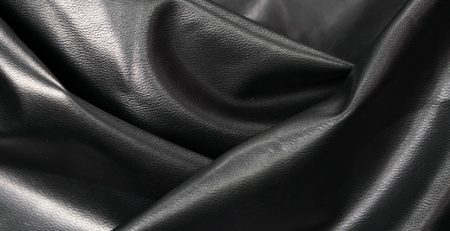
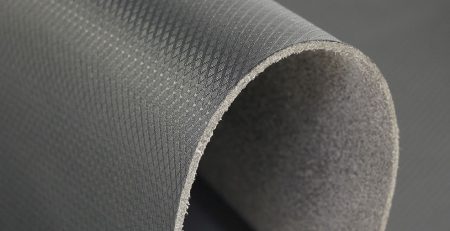
You may wonder what is pu leather and why it has become so popular. PU faux leather, also known as polyurethane leather, is a synthetic material that manufacturers create by applying a polyurethane coating to a fabric base. This base often consists of cotton, nylon, or sometimes vinyl. You will notice that polyurethane leather closely mimics the look and feel of animal leather. Many people choose it as a vegan leather option because 100% pu leather contains no animal products. However, if the backing uses split leather, it does not qualify as vegan.
Tip: Always check the product label to confirm if the pu leather is truly vegan.
Here is a quick overview of what is pu leather:
- Made by coating fabric with polyurethane
- Designed to look and feel like real leather
- 100% pu leather is vegan-friendly
- Sometimes called polyurethane leather
Key Features Of PU Leather
You might ask what is pu leather used for and what makes it stand out. Polyurethane leather offers several key features that set it apart from other materials. The table below compares pu leather with PVC leather, another common synthetic option:
| Characteristic | PU Leather | PVC Leather |
|---|---|---|
| Composition | Made of thermoplastic polymer | Made from polyvinylchloride |
| Durability | Less durable, can wear over time | More durable with multiple layers |
| Appearance | Can appear shiny and cheap | Generally more realistic appearance |
| Breathability | Less breathable | More breathable due to foam layer |
| Maintenance | Easier to clean | Similar ease of maintenance |
You will find pu leather in many products:
- Furniture such as sofas and chairs
- Fashion items like jackets, handbags, and shoes
- Upholstery for cars and electronics
What is pu leather? It is a versatile, affordable, and animal-friendly alternative that you can use in many areas of daily life.
How Is PU Leather Made
PU Leather Manufacturing Process
You may wonder how is pu leather made. Manufacturers use a step-by-step process to create pu leather that mimics real leather. You start with a fabric base, which gives the material strength and flexibility. The process involves several stages:
- Select a base material, such as polyester or cotton blends.
- Coat the fabric with polyurethane, which forms the outer layer.
- Print and texture the surface to make it look like genuine leather.
- Dry and cure the material to set the coating.
- Add finishing touches, such as color or protective treatments.
Factories use automated machines to produce pu leather in large quantities. This mass-production method lowers costs and makes pu leather affordable for many products. You see pu leather in furniture, clothing, and accessories because the process allows for consistent quality and appearance.
Materials Used In PU Faux Leather
You may ask what is pu leather made of. The main components include the fabric base and the polyurethane coating. The table below shows common fabric bases and their advantages:
| Fabric Base | Advantages |
|---|---|
| Woven or nonwoven polyester | Provides strength and durability |
| Cotton blends | Offers breathability and comfort |
| Microfiber substrates | Enhances flexibility and softness |
The polyurethane coating is the key to pu leather. Polyurethane is favored for its flexibility and durability. Manufacturers mix polyisocyanate and oligomer polyol to create the coating. The chemical structure of polyurethane contains repeating carbamate units. Some factories use polyvinyl chloride, but pu is more sustainable and less harmful to the environment.
You now know what is pu leather made of and why pu leather is popular. The materials and process make pu leather a versatile choice for many uses.
PU Faux Leather Pros, Cons, And Comparison
Advantages Of PU Faux Leather
You will notice several key advantages of pu leather when you compare it to other materials. The benefits of pu leather include affordability, easy maintenance, and animal-friendliness. Many people choose pu faux leather because it offers a realistic look without using animal products. Ethical concerns drive the shift toward synthetic leather, and pu leather is marketed as a sustainable and ethical alternative.
Here are the key advantages of pu leather:
- You can clean pu leather easily with a damp cloth. Dirt and dust stay on the surface, so you do not need special cleaning products.
- Pu faux leather is resistant to water and stains, making it ideal for furniture and car interiors.
- You pay less for pu leather than for real leather. It is a budget-friendly option for mass-produced items.
- Pu leather does not require animal farming, which lowers its environmental impact compared to real leather.
- You find pu leather in many applications, such as sofas, jackets, handbags, and automotive interiors.
The table below shows how pu leather performs over time:
| Timeframe | What Happens |
|---|---|
| Year 1 | Usually looks and performs well; minimal visible wear |
| Years 2-3 | Surface may begin dulling; high-wear areas show stress |
| Years 3-4 | Cracking often begins; peeling may start in high-use areas |
| Years 4-5+ | Peeling spreads; fabric backing becomes visible; replacement needed |
Tip: To maximize the lifespan of pu leather, clean pu leather regularly with a damp cloth, keep it out of direct sunlight, and avoid harsh chemicals.
Disadvantages Of PU Faux Leather
You should also consider the disadvantages when you look at the pros and cons of pu leather. Pu faux leather has a shorter lifespan and can show wear and tear quickly. It is less breathable than real leather, which affects comfort, especially in warm conditions. The production of pu leather uses plastics and chemicals, raising concerns about the environment.
Here are the main disadvantages:
| Disadvantage | Description |
|---|---|
| Durability | Pu leather is less durable and can peel or crack over time. |
| Breathability | It is less breathable than real leather, affecting comfort. |
| Look and feel | Lacks the depth and unique texture of real leather. |
| Environmental impact | Production has a negative environmental impact and pu leather is not biodegradable. |
| Heat and fire resistance | Less resistant to heat and fire, making it more sensitive to damage from external influences. |
Note: Many consumers believe that synthetic leather is cruelty-free, but it can still contribute to environmental damage. Vegan leather is not always environmentally-friendly because it can contain plastics.
PU Leather Vs Real Leather
You may wonder how pu leather compares to real leather. Pu faux leather is more affordable and easier to maintain. Real leather stands out for its durability and unique character. Pu leather has a uniform appearance, while real leather shows natural imperfections and develops a patina over time.
| Feature | PU Faux Leather | Real Leather |
|---|---|---|
| Appearance | More realistic, close resemblance | Natural imperfections, unique grains |
| Texture | Smooth, leather-like | Rich, deep look, tactile comfort |
| Patterns | Uniform patterns | Varies widely, character develops |
- Pu leather has a more uniform appearance and is generally more affordable.
- Real leather is known for its durability and develops character over time.
The chart below compares the price ranges for pu leather and real leather:
You will see that pu leather lasts 2 to 5 years, while real leather can last decades with proper care.
| Material | Lifespan (Years) | Durability Characteristics |
|---|---|---|
| PU Faux Leather | 2 to 5 | Shorter lifespan, shows wear and tear quickly |
| Real Leather | Decades | Highly durable, can last with proper care |
Tip: Real leather absorbs water, while pu leather resists water and stains.
PU Leather Vs Other Faux Leather
You may want to know how pu leather compares to other types of faux leather, such as PVC or microfiber. Pu faux leather is easier to clean and maintain. You only need a damp cloth to clean pu leather, while other synthetic leather types may require special products.
| Material Type | Price Range (per yard) | Characteristics | Usage |
|---|---|---|---|
| Basic Faux Leather (PVC/PU) | $5 – $15 | Most affordable, used in budget-friendly items. | Mass-produced items, accessories, furniture |
| High-Quality Faux Leather | $20 – $50 | More realistic feel, mimics real leather closely. | Higher-end products, luxury goods |
| Genuine Leather (Lower Quality) | $20 – $50 | Made from lower layers of hides, processed for uniformity. | Medium-quality leather goods |
| Top-Grain Leather | $50 – $100 | Smoother, more flexible, highly durable. | Premium products like handbags, furniture |
| Full-Grain Leather | $100 – $300+ | Highest quality, develops unique patina over time. | Luxury products like high-end handbags |
- Pu leather is easier to maintain, requiring just a damp cloth for cleaning.
- Other types of faux leather may need specific cleaning methods and specialized products.
Note: Pu leather is less harmful to the environment compared to PVC. Newer options like vegetable oil leather minimize environmental footprints.
How To Identify PU Faux Leather
You may ask how to spot pu leather in stores. You can use several methods to identify pu faux leather and distinguish it from real leather or other imitation leather types.
- The Touch Test: Genuine leather feels soft and warm. Pu leather feels more plastic-like and stiff.
- The Smell Test: Real leather has an earthy scent. Pu leather often smells chemical or plastic-like.
- Examine the Pores: Genuine leather has irregular pores. Pu leather has a uniform pattern.
- The Water Absorption Test: Real leather absorbs water. Pu leather does not.
- Check the Edges: Genuine leather has rough, uneven edges. Pu leather has smooth, shiny edges.
- Look for a Leather Label or Certificate: Authentic leather goods often come with verification labels.
- The Fire Test (Only for Extreme Cases): Real leather chars and smells like burnt hair. Pu leather melts and smells like plastic.
- Price and Durability: Genuine leather is typically more expensive and durable than pu leather.
The table below shows visual and tactile cues:
| Feature | Real Leather | Faux Leather |
|---|---|---|
| Surface Texture | Irregular, natural grain with blemishes | Synthetic, uniform pattern |
| Temperature Response | Warms quickly upon contact | Stays cool longer |
| Flexibility | Softens with use; develops creases | May feel stiff or overly elastic |
Tip: Real leather feels soft but firm with natural imperfections. Faux leather has a smooth, slippery texture and remains cool to the touch.
You can use these tips to learn how to choose pu leather and make informed decisions. When you look at the applications of pu leather, you see it in door panels, consoles, headliners, seating surfaces, dashboard coverings, and steering wheels in cars. Pu leather is also common in furniture, fashion, and electronics.
Note: The market for pu faux leather is expected to grow at a CAGR of 7-9% over the next five years. This growth is driven by demand for sustainable alternatives and technological advancements.
You now understand the pros and cons of pu leather, how to clean pu leather, and how to spot pu leather. You can weigh the key advantages of pu leather against its disadvantages and make the best choice for your needs.
You learned that pu leather is a synthetic material made by coating fabric with polyurethane. You saw that pu offers easy cleaning, affordability, and animal-free appeal. You should consider pu if you want cost-effective, versatile, or low-maintenance products. Shoppers who prioritize animal-free alternatives often choose pu. You need to weigh these key takeaways:
- Durability: Real leather lasts decades, but pu lasts 2-5 years and may crack or peel.
- Cost: Pu is cheaper at first, but frequent replacements can increase expenses.
- Environmental impact: Pu is non-biodegradable and adds to landfill waste.
You can make the best choice by considering your needs and values.

FAQ
What does PU stand for in PU leather?
PU stands for polyurethane. You see this material used as a coating to give fabric a leather-like look and feel.
Can you repair cracks or peeling on PU faux leather?
You cannot fully repair cracks or peeling. You can use patch kits for small areas, but replacement works best for large damage.
Is PU faux leather waterproof?
You get water resistance with PU faux leather. Water beads on the surface, but you should avoid soaking or submerging the material.