Plant-Based Leather Explained What Sets It Apart from Animal Leather

You encounter plant-based leather as a material created from natural sources like pineapple leaves or mushrooms. Unlike animal leather, plant-based leather gives you a cruelty-free and vegan leather option that avoids harming animals. You benefit from its biodegradable nature, which means plant-based leather breaks down in composting environments. Animal leather often relies on chemicals that slow decomposition. The environmental impact of animal leather production can be seen in the table below:
| Environmental Impact Category | Contribution (%) |
|---|---|
| Eutrophication | 91% |
| Global Warming Potential | 68% |
| Water Use | 65% |
| Water Consumption | 59% |
| Abiotic Depletion (Fossil Fuels) | 44.9% |
| Freshwater Ecotoxicity | 33.8% |
You see fashion brands responding to your demand for sustainable choices. Innovations make plant based leather more appealing, driving steady growth in the market.
Plant-Based Leather Explained What Sets It Apart from Animal Leather
- Plant-based leather is made from natural materials like pineapple leaves and mushrooms, offering a cruelty-free alternative to animal leather.
- Choosing plant-based leather helps the environment by reducing water usage and greenhouse gas emissions compared to traditional leather production.
- Plant-based leather is often biodegradable, meaning it breaks down naturally, while animal leather can take much longer to decompose.
- Many fashion brands are now creating innovative plant-based leather products, making sustainable choices more accessible to consumers.
- When shopping for plant-based leather, look for sustainability certifications to ensure you are making an eco-friendly choice.
What Is Plant-Based Leather?
Definition and Features
You encounter plant-based leather as a material made from plant-based materials such as pineapple leaves, mushrooms, cork, and cactus. Many people also call it vegan leather or eco-leather. You should know that plant-based leather stands apart from synthetic vegan leather. Synthetic vegan leather often uses plastic-based substances like polyurethane (PU) or polyvinyl chloride (PVC), while plant-based leather relies on natural sources. You can see the differences in the table below:
| Feature | Plant-Based Leather | Synthetic Vegan Leather |
|---|---|---|
| Material | Made from natural sources like pineapple, cork, and mushrooms | Often plastic-based (PU/PVC) |
| Durability | Generally less durable than real leather, some types like Piñatex are stronger | Tends to crack and deteriorate quickly, lasting only a few years |
| Eco-Friendliness | Biodegradable options available, less harmful production processes | Can be chemical-heavy and not biodegradable, similar environmental impact as faux leather |
You benefit from plant-based leather because it offers a cruelty-free alternative to animal leather. You also help the environment when you choose biodegradable options that break down naturally.
Common Plant Sources
You find plant-based leather made from a variety of plant based materials. The most common sources include:
- Piñatex: Created from pineapple leaf fibers.
- Desserto: Produced using cactus fibers.
- Cork Leather: Processed from cork harvested from trees.
- Mushroom Leather: Derived from mushroom stems.
- Corn Leather: Made from corn stalk fibers.
- Coconut Leather: Crafted from coconut husk fibers.
- Cactus Leather: Developed from cactus plant fibers.
Tip: When you choose vegan leather made from these sources, you support the use of agricultural byproducts and reduce waste.
Production Process
You see that the production process for plant-based leather uses plant-based materials and aims to minimize environmental harm. The steps usually include:
| Step | Description |
|---|---|
| Material Preparation | You clean, comb, and weave natural fibers to get them ready for processing. |
| Fiber Weaving | You use different methods to create substrates with specific structures and strengths. |
| Coating | You apply coatings to give the leather gloss, matte, or texture effects. |
| Dyeing | You dye the vegan leather to achieve a wide range of colors that suit your preferences. |
You help the planet when you choose plant-based leather made from mushrooms or pineapple leaves. These materials use agricultural byproducts that would otherwise go to waste. You also reduce water usage and greenhouse gas emissions compared to traditional leather production. Mushroom-based vegan leather, for example, generates almost no waste because the mycelium grows into specific shapes using organic materials and sawdust.
You support a more sustainable future when you select plant-based leather. You make a choice that is cruelty-free, eco-friendly, and innovative.
Plant Based Leather vs Animal Leather
Sourcing and Materials
You notice a clear difference in how manufacturers source materials for animal leather and plant-based leather. Animal leather comes from animal hides, mostly from cows raised for the dairy and meat industries. Nearly all animal leather relies on this economic link, which helps farmers earn extra income and prevents waste of hides. In contrast, plant-based leather uses plant fibers and agricultural byproducts. You see options like pineapple leaves, cactus, mushrooms, and apple residue used to create leather alternatives. These sources require less land and water, making them sustainable alternatives.
| Aspect | Plant-Based Leather | Animal Leather |
|---|---|---|
| Carbon Footprint | Much smaller due to no livestock farming | Higher due to livestock farming |
| Water Usage | Significantly less | More due to animal husbandry |
| Land Usage | Requires less land | Requires more land for grazing |
| Biodegradability | Often biodegradable | Not biodegradable |
| Chemical Use | Fewer harsh chemicals | Relies on harsh tanning chemicals |
| Ethical Considerations | Cruelty-free practices | Involves animal slaughter |
You support cruelty-free and animal-free leathers when you choose plant-based leather. Many consumers now prefer vegan leather because it aligns with their values and reduces ethical concerns about animal welfare.
Manufacturing Differences
You observe major differences in how manufacturers process animal leather and plant-based leather. Animal leather production starts with cleaning hides, removing flesh, blood, and hair. Workers treat hides with chemicals to extract collagen, then tan, dye, and finish the leather. This process uses harsh chemicals like chromium(III), which can turn into carcinogenic chromium(VI), formaldehyde, and phthalates. These chemicals pose risks to workers and the environment.
Plant-based leather manufacturing uses bio-based materials such as apple residue, pineapple fibers, or mushroom stems. You see manufacturers grind and process these materials, mix them with other components, and form leather-like sheets. They finish the product by dyeing and treating it for durability and water resistance. This process avoids toxic chemicals, making plant-based leather safer for workers and the environment.
| Aspect | Animal Leather Manufacturing | Plant-Based Leather Manufacturing |
|---|---|---|
| Raw Material | Animal hide | Byproducts of plants (e.g., apple residue) |
| Initial Processing | Cleaning hides from flesh, blood, hair, and dirt | Grinding and processing plant materials |
| Chemical Treatment | Processing hides with chemicals to extract collagen | Mixing plant fibers with synthetic materials |
| Tanning | Tanning, dyeing, and finishing the leather | Creating leather-like sheets from mixed fibers |
Note: You help reduce pollution and toxicity when you choose alternative leather options made from sustainable materials.
Environmental Impact
You make a significant difference in environmental impact when you select plant-based leather over animal leather. Animal leather production has a high climate impact because livestock farming releases large amounts of greenhouse gases. For every square meter, cow skin leather produces 110.0 kg CO2e, which is nearly seven times more climate impactful than synthetic leather. Plant-based leather has a much smaller carbon footprint because it does not rely on livestock farming.
Water usage also varies greatly. Traditional leather manufacturing uses about 700 liters of water per unit. In comparison, cactus leather uses less than 70 liters, and banana stem leather uses less than 100 liters. You conserve water and reduce climate impact when you choose vegan leather made from bio-based sources.
You also avoid harsh chemicals found in animal leather tanning, such as chromium and formaldehyde. Plant-based leather production skips these chemicals, lowering toxicity and pollution risks. You support sustainable alternatives that protect the environment and promote ethical practices.
Texture and Durability
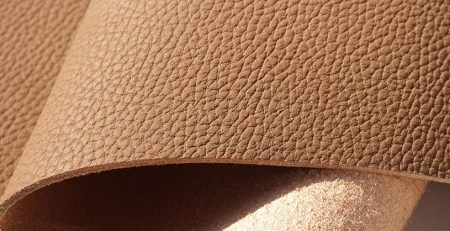
You experience differences in texture and durability between plant-based leather and animal leather. Animal leather feels supple, smooth, and strong. With proper care, animal leather products can last for decades. Plant-based leather and other leather alternatives have improved in texture. Well-made vegan leather can closely resemble real leather, with wrinkled surfaces and natural finishes. New options like Mirum use natural ingredients to mimic traditional leather textures.
Durability varies. Plant-based leather products usually last between three to six years. High-quality PU vegan leather lasts two to five years, while lower-quality PVC leather lasts one to two years. Animal leather remains the most durable, but you may prefer plant-based leather for its eco-friendly and cruelty-free qualities.
Tip: You can extend the life of plant-based leather by caring for it properly and choosing high-quality brands.
You see that many sustainable leather brands are new, so long-term data on plant-based leather lifespan is limited. You help drive innovation and improvement in alternative leather options when you support these brands.
Benefits and Drawbacks of Plant-Based Leather
Sustainability and Eco-Friendliness
You help the planet when you choose plant-based leather. Manufacturers often use agricultural waste and upcycled materials, which would otherwise end up in landfills. These products are designed with end-of-life in mind, so they break down more easily and reduce waste. You also support brands that seek sustainability certifications. For example, BeVeg offers vegan certification services for textiles, and Vegan Verification ensures no animal by-products are used. Here is a quick look at a common certification:
| Certification Name | Description |
|---|---|
| Vegan Verification | Assesses materials to ensure no animal by-products are used in production. |
Tip: Look for sustainability certifications when you shop for vegan leather boots or vegan leather belts.
Performance and Longevity
You may notice that plant-based leather does not last as long as animal leather, especially in high-use items. For example, vegan leather jackets and vegan leather shoes made from plant-based materials usually last between 2 to 5 years. In comparison, animal leather can last 15 years or more.
| Type of Leather | Lifespan |
|---|---|
| Plant-Based Leather | 2 to 5 years |
| Animal Leather | 15 years or more |
Some common issues with plant-based leather include lower mechanical strength and durability. Many products use plastic resins, which can affect both performance and sustainability. Sometimes, the bond between natural fibers and plastics is weak, leading to flaking or peeling over time. You may also find that some plant-based leathers contain chemicals that are not allowed in other products.
Note: You can extend the life of vegan leather boots or vegan leather sneakers by caring for them properly and avoiding harsh conditions.
Ethical Considerations
You make an ethical choice when you pick plant-based leather. Traditional leather production often causes environmental destruction, such as deforestation in the Amazon Rainforest. Workers in the animal leather supply chain face dangerous conditions and health risks, including cancer and respiratory diseases. Land clearing for cattle can violate Indigenous land rights, sometimes leading to violence and displacement.
You also join a growing movement. Younger generations, especially millennials and Gen Z, show more acceptance of vegan leather than older consumers. In regions with high environmental awareness, you see more positive attitudes toward plant-based options. Cultural views on animal welfare and sustainability also shape how people accept vegan leather products.
Choosing plant-based leather lets you support animal welfare, protect the environment, and promote fair labor practices.
You see clear differences between plant-based and animal leather. Plant-based leather offers cruelty-free, biodegradable options. Animal leather provides durability and a classic feel. You can choose based on your values and needs. If you care about sustainability and animal welfare, plant-based leather fits your priorities. If you want long-lasting products, animal leather may suit you.
Tip: Always check the material source and certifications before you buy. You make a positive impact when you choose thoughtfully.

FAQ
What makes plant-based leather different from synthetic vegan leather?
You find plant-based leather uses natural fibers like pineapple or mushrooms. Synthetic vegan leather relies on plastics such as PU or PVC. Plant-based options offer biodegradable qualities, while synthetic types often do not break down easily.
Can you compost plant-based leather products?
You can compost many plant-based leather items if they contain only natural materials. Some products use synthetic coatings, which may prevent full biodegradation. Always check the label for compostability information.
How do you clean plant-based leather?
You clean plant-based leather with a damp cloth and mild soap. Avoid soaking or using harsh chemicals. Let the item air dry. You protect the material’s texture and lifespan by following these steps.
Is plant-based leather suitable for shoes and bags?
You can use plant-based leather for shoes, bags, and accessories. Many brands offer durable options. You may notice a shorter lifespan compared to animal leather, but you support sustainability and cruelty-free fashion.
Does plant-based leather cost more than animal leather?
You may pay a similar price or slightly more for plant-based leather. Production methods and brand reputation affect cost. You invest in eco-friendly materials and ethical practices when you choose plant-based leather.