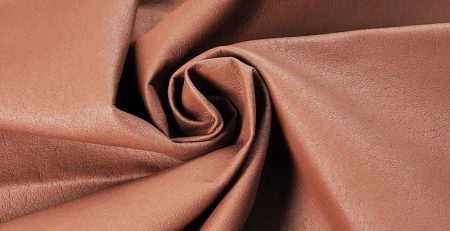
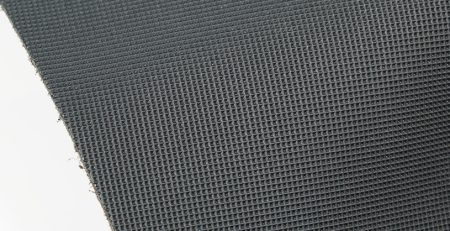
Understanding Imitation Leather Materials and Their Key Features

Faux leather is a man-made material. It looks and feels like real leather. People also call it vegan leather or cruelty-free. Faux leather does not use animal products. Many people choose faux leather for its special features. You can find it in many colors. There are lots of styles too. Faux leather costs less than real leather. It is easier to clean and care for. Faux materials let you have the look of leather. You can make a vegan choice with faux leather. When you pick faux, you help support cruelty-free options. An Imitation Leather Material Manufacturer can help you choose the best vegan leather for you.
Many people pick faux leather for these reasons:
- It costs less
- It can be used in many ways
- There are many types to choose from
Key Takeaways
- Faux leather costs less than real leather and does not use animals. Many people like to buy it for these reasons.
- Knowing what faux leather is made of, like PU and PVC, helps you pick the best one for you.
- Faux leather can be used in many ways. You can find it in clothes, furniture, and cars.
- Faux leather is simple to clean. Just use a soft cloth and mild soap to keep it looking nice.
- Picking eco-friendly faux leather, like bio-based or recycled types, can help the planet.
What Is Faux Leather?
Definition
You might wonder how faux leather is not like other materials. In the materials world, faux leather is made by people, not animals. It looks and feels a lot like real leather. But it does not use animal skin. Faux leather is made from fake fibers and special coatings. This fabric is a smart and cheaper choice. People also call it synthetic leather or vegan leather. When you pick faux, you help animals and do not use animal parts.
Composition
Faux leather fabric is made in a special way. Makers use more than one layer to build it. The bottom layer is usually a woven or non-woven fabric. This part makes the fabric strong and bendy. On top, there is a coating made from fake materials. The two main chemicals used are:
- Polyurethane (PU): PU makes faux leather soft and bendy. It also helps stop scratches and gives a real leather feel.
- Polyvinyl Chloride (PVC): PVC makes faux leather tough and shiny. It is also cheaper to use.
Some types of faux leather use other materials too, but PU and PVC are used the most. The mix of these materials can change for different uses. Some faux leather has more PU to feel softer. Others have more PVC to be stronger. The mix changes how the fabric looks, feels, and works.
Tip: Always look at what faux leather is made of before you buy. The right mix can help you get what you want.
Key Features
Faux leather fabric is special because of its features. It looks like real leather but has many good points. Here is a table that shows how faux leather and vinyl are different:
| Feature | Faux Leather | Vinyl |
|---|---|---|
| Durability | Not as strong, can crack or peel with time | Stronger, does not scratch or stain easily |
| Breathability | Lets air through, feels more comfy | Does not let air through, can get hot or wet |
| Aesthetic Quality | Looks like real leather, soft and smooth | Feels stiff and more like plastic |
| Common Applications | Clothes, bags, furniture | Outdoor chairs, table covers, hospital items |
Faux leather fabric feels soft and smooth. It copies real leather very well. Many people like faux leather because it is comfy and lets air through. It is also simple to clean and take care of. You can use it for clothes, bags, shoes, and furniture.
Some important things about faux leather are:
- It does not stain or crack easily
- Comes in many colors and looks
- Costs less than real leather
- Made without animal parts
Faux leather fabric is a smart and cool choice. You get the leather look without spending a lot or hurting animals. Fake leather keeps getting better, with more choices every year. If you know what faux leather is made of and what it can do, you can pick the best one for your home, clothes, or business.
Faux vs. Real Leather
Appearance
When you look at faux leather and real leather, you see they are different. Faux leather tries to look like real leather. It does not copy every detail. Real leather has a natural surface. You can see small bumps and wrinkles. Each piece is special and looks different. Faux leather has a smooth and even surface. It looks perfect because machines make it.
Here is a table that shows the differences:
| Characteristic | Real Leather | Faux Leather |
|---|---|---|
| Surface Structure | Not completely uniform, includes blemishes | Uniform surface, very regular texture |
| Grain Pattern | Natural, unique markings | More uniform, lacks depth |
| Texture | Tiny bumps, pores, and wrinkles | Smooth and plasticky |
| Overall Appearance | Notable differences in texture | Lacks character |
| Feel | Not perfectly smooth, stretches and wrinkles | Cold and unnaturally even |
You might like faux leather if you want a clean look. Real leather is good for a classic style. Faux leather comes in many colors and finishes. Real leather shows its natural beauty and changes as it gets older.
Durability
Durability means how long something lasts and stays strong. Real leather is known for being tough. It can last for many years if you take care of it. The surface gets softer and looks better over time. Faux leather does not last as long. It can crack, peel, or fade after a while. You may see damage sooner, especially if you use it a lot.
Faux leather is good for short-term use. It is also cheaper. You can clean faux leather easily. It does not stain fast. Real leather needs special care. You must keep it dry and clean. Faux leather is animal-friendly and easy to care for. Real leather lasts longer if you want something for many years.
Tip: If you use your item a lot, check how durable it is before buying. Faux leather is best for light use. Real leather is better for heavy use.
Cost
Cost is a big reason people pick faux leather. Faux leather costs much less than real leather. You can buy faux leather for a lower price. Real leather is expensive because it comes from animals. It needs special work to make. Faux leather uses fake materials. Factories can make it quickly and cheaply.
If you want the look of leather but need to save money, faux leather is a smart choice. You can find faux leather in many styles and colors. Real leather is a luxury item. Faux leather is good for people who want to spend less on clothes, shoes, bags, and furniture.
Ethics
Ethics are important to many people. Faux leather is animal-friendly. It does not use animal skin or parts. You help support cruelty-free fashion when you pick faux leather. Real leather comes from animals. The leather industry can be cruel. Animals may live in bad places and face painful deaths.
Animal rights groups say faux leather is better. You avoid hurting animals and support animal-friendly products. Faux leather is also better for the environment. Real leather can cause deforestation and pollution. Some factories use bad chemicals to treat real leather.
Here is a table that shows the ethical differences:
| Argument Type | Faux Leather | Real Leather |
|---|---|---|
| Animal Welfare | Eliminates animal slaughter, aligns with cruelty-free fashion | Involves inhumane practices, including painful slaughter |
| Environmental Impact | Generally has a lower environmental footprint | Contributes to deforestation and greenhouse gas emissions |
You help protect animals and the planet when you choose faux leather. Faux leather is a good choice for people who care about animals and the earth.
Note: Many brands use faux leather to offer ethical choices. You can find stylish and affordable faux leather products that fit your values.
Types of Faux Leather
PU Leather
You can find pu leather in many things today. Makers put polyurethane on top of cotton or polyester. This makes a material that looks like real leather but is cheaper. You see pu leather in clothes, shoes, couches, chairs, car seats, dashboards, and things like handbags, wallets, and belts. Pu leather is soft and lets air through, so it feels nice every day. If you want good faux leather for your home or clothes, pu leather is a smart pick.
- Clothing
- Footwear
- Furniture
- Car interiors
- Accessories
PVC Leather
PVC leather is made with polyvinyl chloride. It feels harder and shinier than other fake leathers. Many makers use PVC for things that need to last, like outdoor chairs or covers. But making PVC can let out bad chemicals that hurt people and nature. PVC does not break down fast, so it can fill up landfills and cause pollution. You should think about these things when picking fake leather.
Note: PVC leather is strong but can be bad for the earth and health.
Microfiber
Microfiber fake leather is strong and feels soft. It does not fade, scratch, or wear out fast, even if you use it a lot. Microfiber leather bends easily and works for many things, like shoes, bags, and seats. It lets air in, so you stay cool and comfy. Many makers say microfiber is great for faux leather that lasts longer than real leather.
- Fade-resistant
- Scratch-resistant
- Breathable and comfortable
Bio-Based & Recycled
Bio-based and recycled fake leathers are getting more popular. Some are made from fruit peels, mycelium, or plant fibers. Mycelium leather and cactus leather like Desserto break down better and are better for the planet. Mirum is special because it has no plastic at all. More people want bio-based leather, so more makers are working on green choices.
| Type | Source Material | Eco Benefit |
|---|---|---|
| Mycelium | Fungal mycelium | Biodegradable |
| Desserto | Cactus | No plastics |
| Mirum | Plant-based | Plastic-free |
Silicone
Silicone fake leather has special good points. It does not wear out, scratch, stain, or get wet easily. Silicone leather does not turn yellow or break down, and it stays soft and easy to clean. It works well in tough places and lasts a long time. Many makers use silicone for things that need to be safe and last, like medical items or outdoor gear.
Tip: Silicone leather is easy to clean and lasts a long time.
Imitation Leather Material Manufacturer
Imitation leather material makers are important for new ideas and good quality. Top companies like Teijin Limited, Mayur Uniquoters Ltd., Toray Industries, San Fang Chemical Industry, and Kuraray Co. use smart tools and green ways to make things. You get good fake leather for clothes, furniture, or cars when you pick their products. These makers help you find faux leather that fits your style and what you care about.
Benefits of Faux
Affordability
One big reason people like faux leather is the price. Faux leather costs much less than real leather. When you buy fake leather, you save money. Faux leather usually costs $10 to $25 for each yard. Real leather often costs over $30 for each square foot. This big price gap makes faux leather a smart pick. You can get cool jackets, bags, or furniture without spending a lot. Many families and businesses pick faux leather because it fits their budget and still looks nice.
- Faux leather: $10–$25 per yard
- Genuine leather: $30+ per square foot
Versatility
Faux leather is great because you can use it in many ways. You see it in almost every industry. People use synthetic leather for clothes, furniture, cars, and even electronics. You find it in jackets, shoes, sofas, car seats, and phone cases. This shows how useful synthetic leather is. You can choose from lots of colors, textures, and finishes to match what you want.
| Industry | Applications |
|---|---|
| Fashion and Apparel | Jackets, pants, skirts, vests, footwear, handbags, wallets, belts, gloves |
| Furniture | Upholstery for sofas, chairs, ottomans, headboards, and home decor items |
| Automotive Industry | Car seats, steering wheel covers, and interior trim |
| Interior Design | Wall coverings, decorative accents like lampshades and room dividers |
| Electronics | Cases and covers for tablets, laptops, smartphones, and tech accessories |
| Sporting Goods | Boxing gloves, baseball gloves, weightlifting belts, gym equipment |
| Marine and Outdoor | Boat upholstery, outdoor furniture like patio chairs and loungers |
| Medical and Healthcare | Examination tables, therapy equipment like massage chairs and mats |
Maintenance
Faux leather is easy to take care of. This is a big reason people pick it. You do not need special cleaners or tools. Just wipe off dirt with a soft cloth and some mild soap. For bags and small things, brush off dust and use a gentle cleaner. Keep your items in a cool, dry place and away from the sun. These easy steps help your faux leather last longer and look good.
Tip: Let faux leather air dry after you clean it. Do not use bleach or put it in a dryer.
Comfort
Comfort matters when you pick a material. Real leather feels soft and shapes to your body over time. Faux leather feels stiffer and does not breathe as well. Still, many people like synthetic leather because it is comfy enough, looks good, and costs less. Faux leather may not get as soft as real leather, but it works for many things. Some new types of synthetic leather are getting softer and more bendy, so they feel better.
- Real leather: soft, bends to your shape
- Faux leather: stiffer, less airy, but getting better with new tech
You can enjoy many good things about synthetic leather. Faux leather gives you cheap, useful, and easy-to-clean choices. It may not be as comfy as real leather, but it is still a strong choice for most needs.
Drawbacks
Breathability
Synthetic leather does not let air pass through well. This means your skin can get hot or sweaty. Shoes or jackets made from synthetic leather trap heat and moisture. Most types do not feel comfy in warm weather. Some new kinds try to fix this, but many still have this problem. If you want to stay cool, look for special designs. You can also pick natural leather for better breathability.
Tip: For clothes or shoes, pick styles with mesh or vents. This helps you feel cooler and more comfortable.
Durability
Synthetic leather does not last as long as real leather. It can start to peel or crack after a while. Many people see damage if they use it every day. Shoes and bags may lose their smooth look fast. You might notice these problems:
- Peeling or cracking after using for a long time
- Wears out faster than real leather
- Damage shows up quickly with daily use
You may need to buy new items more often. This can cost more over time. If you want things that last many years, think about how important durability is to you.
Environmental Concerns
Synthetic leather can hurt the environment. Most types use polyester or nylon with PVC or PU. These materials do not break down fast. When you throw them away, they stay in landfills for many years. This adds to plastic waste. If you do not throw them away right, toxins can get into soil and water. This can harm plants, animals, and people.
- Synthetic leather takes a long time to break down
- Bad disposal lets toxins into nature
- Making it uses lots of water and land, which can hurt forests and food crops
Some people say vegan leather is better for the earth. But you should think about these problems too. If you care about the planet, look for recycled or bio-based synthetic leather. Sustainability matters when you pick materials.
Sustainability
Production Impact
You help the planet when you pick synthetic leather. Making synthetic leather uses less water and energy than real leather. Factories also make less pollution and fewer greenhouse gases. The table below shows how much carbon each material makes:
| Material | Carbon Footprint (kg CO2e per square meter) |
|---|---|
| Faux Leather | 15.8 |
| Real Leather (Cow Skin) | 110.0 |
Synthetic leather makes less carbon and helps keep the air cleaner. When you buy eco-friendly synthetic leather, you lower pollution. Factories use less water and energy with these new ways. Picking synthetic leather instead of animal leather is better for the earth.
Eco-Friendly Innovations
There are many new green ideas in synthetic leather. Makers use things like plant fibers, fruit scraps, and fungi to make new materials. These choices help save resources and cut down on waste. The table below lists some new eco-friendly types:
| Innovation | Description | Benefits |
|---|---|---|
| Mycelium Leather | Made from fungi grown in labs | Good for the earth, breaks down, lasts long |
| Pineapple Leather | Made from pineapple leaf fibers | Uses waste, lets air in, keeps water out |
| Apple Leather | Uses leftover apple pomace | Cuts food waste, saves water and energy |
| Grape Leather | Uses grape leftovers from making wine | Uses plants again, makes less trash |
| Cactus Leather | Made from Nopal cactus fibers | Needs little water, strong, stores carbon |
When you buy these new materials, you help the earth. These ideas show that synthetic leather is getting better for the planet. You make a difference by picking green options.
End-of-Life
It is important to think about what happens when you throw away synthetic leather. Most fake leather does not break down fast.
Faux leather (pleather) does not rot and can take up to 500 years to go away. It leaves behind tiny plastic pieces. Plant-based leathers and cork leather are better because they come from plants and can break down.
You may see that pleather only lasts 3-5 years.
Pleather does not last long and needs to be replaced after 3-5 years. This means more trash is made.
You help the planet when you pick green and break-down materials. You can recycle or reuse your fake leather items to help. Look for plant-based or cork leather for a better way to handle old items.
Uses
Fashion
Faux leather is used a lot in fashion. Designers make jackets, pants, and shoes with it. Many people pick faux because it looks cool and costs less. You can buy handbags, belts, and wallets made from faux. These items come in lots of colors and textures. Faux leather lets you follow new trends without hurting animals. People use faux for outerwear and accessories. You can match your style with boots or a purse made from faux. The fashion world likes faux because it is flexible and kind to animals. Many brands now sell vegan choices to fit what you want.
Tip: Faux leather is popular in fashion since it is easy to clean and keeps its shape.
Furniture
Faux leather has changed how people buy furniture. Now, you see more sofas and chairs made with faux. People want choices that are good for animals and the earth. Faux leather furniture looks modern and feels soft. It also costs less, so you can decorate your home for less money. New technology makes faux stronger and better looking. You can pick from many styles, like black or bright colors. Faux works well in homes and offices. More people want faux leather furniture because they care about animals and the planet.
Automotive
Car makers use faux leather for seats and dashboards. You get a nice look without spending a lot. Faux leather does not stain or scratch easily. Cleaning is simple—just wipe with a wet cloth. Many cars have faux inside because it lasts and looks good. The table below shows why faux leather is smart for cars:
| Advantage | Description |
|---|---|
| Durability | Stays strong, does not stain or fade fast |
| Ease of Maintenance | Easy to clean, no special cleaners needed |
| Cost-Effectiveness | Looks fancy but costs less |
| Environmental Impact | Uses fewer resources, can be recycled |
| Aesthetic Appeal | Many colors and textures for custom car looks |
You can ride in comfort with faux leather seats that look new for a long time.
Other Industries
Faux leather is used in many other things. You see it in electronics and sports gear. Companies use faux for phone cases and gym equipment. It is also used for boat seats. The market for imitation leather is getting bigger. In 2023, it was about $29.7 billion and may reach $52.9 billion by 2032. This shows people like faux for its strength, price, and eco-friendly features. Synthetic leather is now found in many things you use every day.
Note: Faux leather gives you more choices in your life, from clothes to furniture and more.
You have learned that faux leather is made by people and looks like real leather. Faux leather comes in many colors, styles, and prices. The table below shows how faux and real leather are different:
| Factor | Faux Leather | Real Leather |
|---|---|---|
| Durability | Not as strong as real leather | Very strong, gets better with age |
| Comfort | Not as comfy, does not breathe well | Fits your feet, feels very soft |
| Maintenance | Easy to clean and care for | Needs special care often |
| Environmental Impact | Made from fake materials | Can be better for nature if made right |
| Ethical Considerations | Good for animals | Can hurt animals |
| Price | Costs less money | Costs more at first, lasts longer |
Faux leather is simple to clean and does not cost much. Real leather lasts longer and feels softer on your skin. You should think about what you need, how much you want to spend, and what you believe is right. Faux leather is kinder to animals. Real leather can be better for the earth if made the right way. If you want to know more, ask a company that makes imitation leather.
- Decide what is most important for you.
- Faux leather saves money and is easy to keep clean.
- Real leather gives you comfort and lasts for years.
- Both have good and bad points for the earth and animals.


FAQ
What is the best way to clean faux leather?
You can wipe faux leather with a soft cloth and mild soap. Avoid harsh cleaners. Let it air dry. For tough stains, use a gentle cleaner made for synthetic materials.
Tip: Always test any cleaner on a small spot first.
Does faux leather peel or crack easily?
Faux leather can peel or crack after heavy use. You may see damage faster than with real leather. Keeping items away from heat and sunlight helps them last longer.
Can you recycle faux leather products?
Most faux leather is hard to recycle because it contains plastics. Some new types use plant-based materials. You can check labels for recycling information.
| Type | Recyclable? |
|---|---|
| PU/PVC | Rarely |
| Plant-based | Sometimes |
Is faux leather safe for people with allergies?
You can use faux leather if you have allergies. It does not contain animal proteins. Some people may react to chemicals in the material. Always check product details before buying.
How do you tell the difference between real and faux leather?
You can look at the texture and smell. Real leather has a unique scent and uneven surface. Faux leather feels smoother and smells like plastic.
- Real: Natural scent, rough texture
- Faux: No scent, smooth surface