Vegan Belts or Leather Belts Which Lasts Longer

Leather belts often outlast other options because of their natural toughness, according to consumer surveys and studies. High-quality Vegan Belts now offer impressive durability for everyday wear, yet they may not hold up as well as leather under heavy use or harsh conditions. Some vegan materials, such as cork, can last at least five years with daily wear, and Piñatex resists stretching, helping belts keep their shape. Each person should weigh longevity, comfort, and values before choosing a belt.
Vegan Belts or Leather Belts Which Lasts Longer
- Leather belts, especially full-grain options, last over ten years with proper care, making them a long-term investment.
- Vegan belts can be durable, especially those made from materials like cork and Piñatex, but typically last 2-5 years.
- Choose high-quality materials for both vegan and leather belts to ensure better durability and performance.
- Regular cleaning and proper storage extend the lifespan of both vegan and leather belts, keeping them looking new.
- Consider your values: vegan belts offer ethical choices, while leather belts provide classic style and longevity.
- Synthetic vegan belts may crack or peel at stress points, so handle them gently to maintain their appearance.
- Evaluate your lifestyle needs: leather suits daily wear and professionals, while vegan belts offer affordability and bold styles.
- Both belt types can be stylish; vegan belts come in various colors and textures, appealing to diverse fashion preferences.
Vegan Belts and Leather Belts
Vegan Belts Overview
Materials
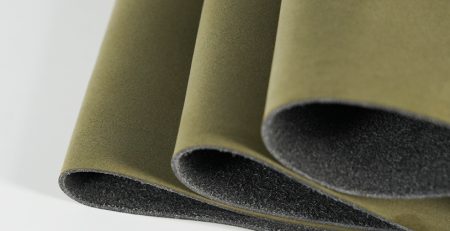
Vegan belts use a variety of vegan-friendly materials. Manufacturers often choose synthetic belts made from polyurethane (PU) or polyvinyl chloride (PVC). Some brands use natural options like cork or Piñatex, which comes from pineapple leaf fibers. These materials offer ethical alternatives to animal products.
The table below shows common materials for vegan belts, along with their benefits and drawbacks:
| Material | Benefits | Drawbacks |
|---|---|---|
| Faux Leather | Ethical, Aesthetic Appeal, Affordability | Environmental Impact, Durability |
| Cork | Sustainability, Eco-Friendly Production, Lightweight, Natural Texture | Limited Color Options, Initial Stiffness, Cost |
| Piñatex | Sustainability, Durability, Unique Texture | Limited Availability, Cost |
| Recycled Materials | Waste Reduction, Versatility | Quality Consistency, Sourcing Challenges |
Synthetic belts made from faux leather may show wear and tear over time. Cork belts feel lightweight and comfortable, but some users notice stiffness at first. Piñatex stands out for its strength and durability, making it a long-lasting choice. Recycled materials help reduce waste, but their quality can vary.
Types
Vegan belts come in several types. Most synthetic belts use faux leather for a classic look. Some belts feature woven recycled materials for a casual style. Cork belts appeal to those who want a natural texture. Piñatex belts offer a unique appearance and strong durability. Each type suits different needs, from formal wear to everyday use.
Leather Belts Overview
Leather Types
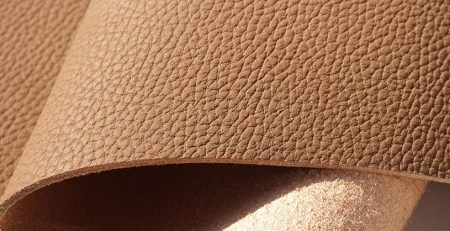
Leather belts use animal hides, most often cowhide. Tanning processes make the hides durable and flexible. The grade of leather affects the belt’s quality. Full-grain leather belts last the longest and develop a rich patina. Top-grain leather belts offer a balance between durability and cost. Genuine leather belts use lower-quality hides and may not last as long.
The table below compares vegan belts and leather belts by material composition and key characteristics:
| Type of Belt | Material Composition | Key Characteristics |
|---|---|---|
| Vegan Belts | Synthetic materials (PU, PVC), natural materials (cork, Piñatex) | Ethical, often more affordable, but may have environmental impacts and varying durability. |
| Leather Belts | Animal hides (commonly cowhide) that undergo tanning | Highly valued for durability, flexibility, and the ability to age gracefully, with various grades available. |
Crafting
Leather belts require skilled craftsmanship. Tanners treat the hides to improve strength and flexibility. Artisans cut, stitch, and finish each belt. The process creates belts that last for years and develop character over time. A leather belt often becomes softer and more attractive with age. The quality of the crafting process influences how well the belt resists wear and tear.
Tip: When choosing between a vegan leather belt and a traditional leather belt, consider the materials and how they affect durability and appearance.
Durability Comparison
Vegan Belts Durability
Synthetic vs Plant-Based
Synthetic belts, such as those made from PU or PVC, show impressive resistance to water and daily wear. These belts often outperform plant-based options when exposed to rough treatment. Synthetic leather belts resist scuffing and maintain their shape, even after frequent use. Plant-based belts, including cork and Piñatex, offer sustainability and a unique texture. Cork belts require gentle handling to avoid damage, while Piñatex belts resist stretching and provide reliable strength.
- Synthetic leather (PU or PVC) is durable and water-resistant but may wear in high-friction areas.
- Plant-based materials like cork are sustainable and water-resistant but require delicate handling.
- Synthetic materials generally outperform plant-based options in durability under rough treatment.
A pu leather belt may show minor scuffing after a week of use, but serious damage rarely occurs. Vegan leather belt options sometimes exhibit peeling at the edges and dulling from friction with clothing. These issues highlight the importance of choosing the right materials for long-lasting durability.
Common Issues
Vegan belts face several durability challenges. Synthetic belts can crack or peel, especially at stress points like the buckle holes. Plant-based belts may fray or lose their shape if exposed to moisture or excessive bending. Users often report that woven cotton belts fray faster than synthetic or cork options. Regular cleaning and proper storage help extend the lifespan of these belts.
Leather Belts Durability
Full-Grain vs Other Types
Full-grain leather belts are designed to last a lifetime and develop a rich patina over time, unlike thinner, lower-quality leather belts that may stretch, crack, and break more easily.
A leather belt needs to be at least 5mm thick to be a decent quality belt. Our old bull leather belts are 5.5mm to 6mm, just short of a quarter of an inch thick.
When you invest in a full grain leather belt from Saddleback Leather, you’re not just getting a belt but peace of mind. A belt that will last your lifetime and only look better with age.
Full-grain leather stands out for its long-lasting durability and ability to improve with age. Top-grain leather offers a balance between durability and value, while genuine leather belts use lower-quality materials and often require replacement after a few uses. The thickness and quality of the leather play a crucial role in how well the belt resists wear and tear.
Wear and Tear
Leather belts, especially those made from genuine leather, often show signs of cracking and tearing. Lower-quality leather belts lose their natural grain, making them weaker and more susceptible to damage. Worn-out holes at the buckle area are common, even in high-priced belts. These problems highlight the importance of choosing full-grain or top-grain leather for maximum durability and longevity.
- Lower-quality leather is often shaved to remove natural grain, making it weaker and more susceptible to cracking and tearing.
- Genuine leather belts are prone to cracking and tearing due to the use of low-quality materials mixed with glue.
- After a few uses, these belts often require replacement, indicating a lack of durability.
- Worn-out holes are a common problem, even in high-priced belts, suggesting that wear at the buckle area is prevalent.
Real-World Use
User Experiences
User testimonials reveal that vegan belts made from cork and Piñatex demonstrate durability comparable to leather belts. These innovative materials withstand daily wear and tear, challenging the belief that vegan options lack durability. Many users report satisfaction with the performance of both vegan and leather belts, provided they select high-quality materials.
Climate Impact
Climate plays a significant role in the durability and longevity of both vegan and leather belts.
- High temperatures can make vegan leather brittle and prone to cracking.
- Excessive moisture can promote mold and mildew, reducing longevity.
- Sunlight exposure can lead to fading and discoloration.
Leather belts also face challenges in humid environments, where moisture can cause mold or weaken the material. Proper care and storage help mitigate these risks.
Breathability and Comfort
Breathability affects both comfort and lifespan. Vegan belts made from PU, cork, and Piñatex are generally less breathable than leather belts. This difference can impact comfort, especially during extended wear. High-quality vegan belts can last several years with proper care, while leather belts often last 10-15 years or more, depending on the quality of the leather. While vegan belts offer affordability and ethical value, they may not match the durability and comfort of high-quality leather belts.
| Belt Type | Breathability | Comfort | Lifespan |
|---|---|---|---|
| Synthetic Belts | Low | Moderate | 2-5 years |
| Plant-Based Belts | Low-Moderate | Good | 3-5 years |
| Full-Grain Leather | High | Excellent | 10-15+ years |
| Top-Grain Leather | Moderate | Good | 5-10 years |
| Genuine Leather | Low | Moderate | 1-3 years |
The choice between vegan belts and leather belts depends on priorities such as durability, style and aesthetics, comfort, and ethical values. Selecting high-quality materials and proper care ensures long-lasting durability and satisfaction.
Style and Appearance
Initial Look
Color and Texture
Vegan belts and leather belts each offer a distinct first impression. Leather belts often display a classic and refined look. The natural grain and subtle shine of leather make these belts a popular choice for formal occasions and premium casual outfits. Many people appreciate the smooth texture and understated elegance that leather provides.
Vegan belts, especially those made from synthetic materials, present a wider range of colors, finishes, and patterns. These belts appeal to individuals who enjoy bold fashion choices or want to match their accessories with casual wear. Some vegan options feature textured surfaces, embossed patterns, or embellishments like studs and beads, adding variety to their appearance. Recent trends highlight the use of sustainable materials, bold buckles, and unique hardware, which help vegan belts stand out in the world of style and aesthetics.
Note: Sustainable materials and statement buckles have become increasingly popular, allowing both vegan and leather belts to serve as fashion statements.
Aging
Patina in Leather
Leather belts develop a patina as they age. This process adds a rich, warm glow to the surface, enhancing the belt’s natural beauty and depth. Each leather belt becomes visually unique over time, reflecting the journey of its owner. The patina not only increases the perceived value but also creates an emotional connection, turning a simple accessory into a cherished possession. The softening of leather through patina development improves comfort and usability.
Fading in Vegan Belts
Vegan belts age differently. Synthetic and plant-based belts may experience fading or dulling of color after extended use, especially when exposed to sunlight or friction. Unlike leather, vegan belts do not develop a patina. Instead, their appearance may change as the surface loses its original luster. Some vegan belts with textured or embellished surfaces can hide minor signs of wear, but most will not gain the same character as leather over time.
Versatility
Formal vs Casual
Both vegan and leather belts offer versatility for different dress codes. The adaptability of these belts depends on their materials, design, and color options. The table below highlights key features that contribute to their versatility:
| Feature | Description |
|---|---|
| Material | Crafted from innovative materials, enhancing adaptability for various styles. |
| Design | Offers a range of designs, including minimalist options suitable for both casual and formal wear. |
| Color Options | Available in various colors, allowing for easy matching with different outfits. |
| Reversible Options | Some belts provide two colors in one, increasing versatility without needing multiple belts. |
| Ethical Production | Supports sustainable fashion, appealing to those who value ethical considerations in their wardrobe. |
Leather belts remain a staple for formal attire due to their classic look, while vegan belts excel in casual settings with their bold colors and creative designs. Many modern belts, regardless of material, now feature reversible options or minimalist styles that work well for both formal and casual occasions.
Tip: Choosing a belt with a simple design and neutral color increases its versatility, making it suitable for a wider range of outfits.
Maintenance Tips
Leather Belts Care
Cleaning
Leather belts require regular cleaning to maintain their appearance and durability. Owners should use a soft cloth and a cleaner designed for leather. Hot water can damage the surface, so air drying is best. Avoid direct heat sources, which may cause cracking. People often forget to inspect their belts for dirt or stains, but routine cleaning helps prevent long-term damage.
Conditioning
Conditioning keeps leather belts supple and prevents drying. Applying a leather conditioner every few months helps maintain flexibility. Shielding belts from sunlight and heat also prevents drying and cracking. Many experts recommend storing belts in a well-ventilated area away from humidity. Using dust bags or cloth covers protects from scratches. Regular inspection allows owners to address minor issues before they become serious.
Tip: Never use abrasive cleaners or chemical alcohol on leather belts. These substances can strip natural oils and weaken the material.
Vegan Belts Care
Cleaning
Vegan belts made from synthetic or plant-based materials need gentle cleaning. A damp cloth removes most dirt. Owners should avoid soaking vegan belts in water, which can cause warping or discoloration. Reading the manufacturer’s care instructions ensures proper treatment for each type of belt.
Damage Prevention
Protecting vegan belts from direct sunlight helps prevent fading, especially for cotton or recycled plastics. Repairing minor scratches or loose threads quickly maintains the belt’s condition. Many people use repair kits or sewing tools for small fixes. Ignoring minor damage can lead to bigger problems over time.
Note: Always check care instructions for vegan belts. Different materials may require specific cleaning methods.
Extending Lifespan
Storage
Proper storage extends the lifespan of both vegan and leather belts. Hanging leather belts upright on a rack or hanger prevents curling and maintains shape. Owners should avoid tightly coiling belts in drawers, which can cause stress marks. Storing belts in a cool, dry place away from sunlight reduces the risk of hardening or brittleness. Breathable cotton or muslin bags work well for travel.
Vegan belts benefit from hanging or rolling up neatly. This practice prevents creasing and keeps the belt looking new. Damp areas can cause mold or mildew, so storing belts in a dry environment is important.
Repairs
Addressing minor damage promptly increases the longevity of belts. Owners can fix scratches, scuffs, or loose threads with repair kits or basic sewing tools. For major issues, professional cleaners or repair services offer specialized care, especially for vegan materials. Quick repairs prevent further deterioration and help maintain the belt’s value and affordability.
Common mistakes include over-bending, exposing belts to heat, and using harsh chemicals. Avoid these actions to keep belts in top condition.
Sustainability and Ethical Considerations
Sustainability
Materials Impact
The materials used in belts play a major role in their environmental impact. Vegan belts often feature synthetic materials, such as polyurethane or polyvinyl chloride, but many brands now use innovative textiles derived from nature. Examples include Piñatex, made from pineapple leaf fibers, Vegea from grapes, olive leather, Desserto from cactus, apple leather, Oleatex, cork, and MIRUM, which is plastic-free. These eco materials offer environmental benefits by reducing reliance on animal products and fossil fuels.
- Traditional leather production uses large amounts of water and chemicals, which leads to pollution and greenhouse gas emissions.
- Natural vegan leathers usually have a lower carbon footprint and require fewer resources.
- Some synthetic vegan leathers, made from plastics, can contribute to microplastic pollution.
While vegan leather avoids the ethical issues linked to animal leather, it sometimes relies on fossil fuel-derived plastics. This reliance can result in microplastic pollution. Both traditional leather and some vegan options have environmental drawbacks. Plant-based leathers present a promising alternative, offering animal-free and plastic-free choices.
Longevity
The lifespan of belts affects their sustainability. Longer-lasting belts reduce waste and the need for frequent replacements. The table below compares the average lifespan and environmental impact of different belt types:
| Type of Belt | Average Lifespan | Environmental Impact |
|---|---|---|
| Vegan Leather | 2-5 years | Contributes to microplastics pollution |
| Vegetable-tanned Leather | Biodegradable | Natural decomposition over time |
| Chrome-tanned Leather | Hundreds of years | Long decomposition time in landfills |
| Real Leather | Superior shelf life | Encourages less frequent purchases, reducing waste |
Vegetable-tanned leather belts break down naturally, while chrome-tanned leather can persist in landfills for centuries. Vegan leather belts, especially those made from plastics, may last only a few years and contribute to microplastic pollution. Real leather belts, with their superior shelf life, support sustainability by reducing overall waste.
Ethical Factors
Animal Welfare
Ethical concerns shape consumer choices in fashion. Vegan belts promote inclusivity and appeal to those seeking ethical fashion. These belts support a more compassionate industry that respects all living beings. The production of vegan belts often aligns with sustainability and ethical considerations, contrasting with the animal cruelty concerns in leather production.
Production Practices
Production practices influence both sustainability and ethical considerations. Many vegan belt manufacturers focus on eco-friendly processes, using renewable resources and minimizing waste. Leather production, especially when using traditional methods, can harm the environment and raise ethical questions about animal welfare. Brands that prioritize ethical sourcing and responsible manufacturing help reduce the negative environmental impact and support a more sustainable future.
Note: Choosing belts made from plant-based materials or responsibly sourced leather can maximize environmental benefits and support ethical values.
Cost and Value
Price
Upfront Cost
Shoppers often notice a significant difference in the initial price between leather belts and synthetic belts. Leather belts, especially those made from top-grain leather or full-grain leather, usually require a higher investment. A full-grain leather belt can cost $150 or more, while genuine leather belts typically range from $30 to $80. Synthetic belts, including a pu leather belt, offer a more affordable price point, often starting at $15. Many buyers choose synthetic belts for their budget-friendly appeal.
| Belt Type | Lifespan | Cost Per Year |
|---|---|---|
| Bonded Leather | 3–12 months | $15 → $15–$60/year |
| Genuine Leather | 1–3 years | $30 → $10–$30/year |
| Top-Grain Leather | 5–10 years | $80 → $8–$16/year |
| Full-Grain Leather | 10–20+ years | $150 → $7.50–$15/year |
The table above shows that while leather belts have a higher upfront cost, their extended lifespan often results in better price and value for money over time.
Long-Term Value
Durability plays a key role in determining the long-term value of belts. Leather belts, especially those crafted from full-grain or top-grain leather, can last for decades with proper care. Synthetic belts, including vegan options, may need replacement every few years. Regular cleaning and maintenance extend the lifespan of vegan belts, allowing users to enjoy them for years. Investing time and effort in caring for synthetic belts maximizes their economic value and reduces waste.
Buyers who focus on price and value for money should consider how often they plan to replace their belts. Leather belts may cost more initially, but their durability means fewer replacements and lower annual costs.
Who Should Choose Which
Lifestyle
Lifestyle factors influence the choice between leather belts and synthetic belts. Those who wear belts daily and value quality craftsmanship often prefer leather belts. These belts suit professionals, frequent travelers, and anyone seeking a classic accessory. Synthetic belts work well for occasional wear, casual outfits, or those who want a variety of colors and styles at a lower cost.
| Factor | Leather Belts | Synthetic Belts |
|---|---|---|
| Cost | Higher initial investment | Affordable price point |
| Durability | Long-lasting, suitable for daily use | Shorter lifespan, ideal for occasional use |
| Sustainability | Can be biodegradable, especially if vegetable-tanned | Made from fossil fuels, difficult to recycle |
| Ethical Considerations | Made from animal hides, often a by-product of the meat industry | Animal-free, appealing to vegans |
Priorities
Personal values shape purchasing decisions. Vegan leather is considered a more ethical choice for those who prioritize animal welfare. Synthetic belts appeal to buyers who want animal-free products and flexibility in style. However, vegan leather raises concerns about microplastics, which can harm ecosystems and human health. Leather belts, especially vegetable-tanned options, offer sustainability and classic style.
Buyers should ask themselves:
- Do they value durability and quality above all?
- Is affordability and vegan-friendly design more important?
- How often will they wear the belt?
- What are their views on animal welfare and environmental impact?
The decision between leather belts and synthetic belts depends on individual priorities. Those who seek a timeless investment and classic feel may choose leather belts. Buyers who value ethics, ease of care, and affordability may prefer synthetic belts.
Summary
Which Lasts Longer
Leather belts consistently demonstrate superior durability and longevity compared to synthetic belts and vegan belts. Studies show that full-grain leather resists wear and tear, maintaining its structure and appearance for over a decade. High-quality leather belts often become softer and more attractive with age, developing a unique patina that enhances their style and value. Synthetic belts, including those made from vegan leather belt materials, typically last between two and five years. These belts may crack, peel, or lose their shape under heavy use or harsh conditions.
Several factors influence how long belts last. The construction of the belt, the type of material, and the conditions in which the belt is worn all play important roles. For example, moisture, temperature, and friction can accelerate belt degradation. The operational regime, such as daily wear or occasional use, also affects durability. Leather belts, especially those crafted from full-grain leather, withstand these challenges better than most synthetic belts.
Note: Belt lifetime depends on dynamic interactions between material type, working conditions, and construction. Predicting exact lifespan remains difficult, but leather belts generally offer the longest service.
Best Choice for You
Choosing the best belt depends on individual needs, lifestyle, and values. Leather belts suit those who prioritize durability, classic style, and long-term value. These belts work well for professionals, frequent travelers, and anyone seeking a timeless accessory. Synthetic belts appeal to buyers who want affordable options, bold fashion statements, or animal-free products. Vegan belts, especially those made from innovative plant-based materials, offer ethical alternatives for those concerned about animal welfare.
Key factors to consider when selecting belts include:
- Product characteristics such as weight, texture, and moisture resistance.
- Application needs, like whether the belt will be used for formal occasions or casual wear.
- Environmental conditions, including temperature and humidity, which affect durability and sanitation.
- Direction and movement, especially for belts used in specialized settings.
A high-quality leather belt provides excellent durability and style for daily use. Synthetic belts offer flexibility in fashion and affordability, making them suitable for occasional wear. Vegan belts support ethical fashion choices and can deliver reliable performance when made from advanced materials.
| Belt Type | Durability | Style | Value | Best For |
|---|---|---|---|---|
| Full-grain leather | 10-20+ years | Classic, Patina | High | Professionals, daily wearers |
| Synthetic belts | 2-5 years | Bold, Versatile | Moderate | Casual users, trend seekers |
| Vegan belts | 3-5 years | Ethical, Unique | Moderate | Ethical consumers, vegans |
Tip: Buyers should match their belt choice to their priorities, considering durability, style, value, and ethical concerns.
Fashion trends continue to evolve, but the importance of durability and value remains constant. Leather belts offer unmatched longevity and classic appeal. Synthetic belts provide affordable access to diverse styles. Vegan belts represent a growing movement toward ethical fashion, balancing durability with compassion.
Leather belts, especially full-grain options, last the longest and develop a unique patina over time. Vegan belts offer reliable durability when cared for properly and appeal to those who value compassionate fashion. Experts recommend the following:
- Proper care extends the lifespan of vegan belts and keeps them looking new.
- Well-maintained vegan belts retain their original style and color.
- Many choose vegan belts to support ethical fashion and avoid animal exploitation.
Shoppers should weigh durability, style, comfort, and ethics before selecting a belt.

FAQ
How long does a full-grain leather belt usually last?
Full-grain leather belts often last over ten years. Proper care extends their lifespan. Many users report that these belts become softer and more attractive with age.
Are vegan belts waterproof?
Most synthetic vegan belts resist water. Plant-based belts like cork and Piñatex offer some water resistance. Prolonged exposure to moisture can damage vegan belts.
Can vegan belts look as stylish as leather belts?
Vegan belts come in many colors and textures. Designers create bold patterns and finishes. Many vegan belts match the style of leather belts for both formal and casual wear.
What is the best way to clean a leather belt?
Use a soft cloth and leather cleaner. Avoid soaking the belt. Air dry the belt away from direct heat. Conditioning helps maintain flexibility and prevents cracking.
Do vegan belts crack or peel easily?
Synthetic vegan belts may crack or peel at stress points. Plant-based belts resist these issues better. Regular cleaning and gentle handling help prevent damage.
Are leather belts more sustainable than vegan belts?
Vegetable-tanned leather belts decompose naturally. Synthetic vegan belts may contribute to microplastic pollution. Plant-based vegan belts offer a more sustainable option.
Which belt type is better for sensitive skin?
Leather belts breathe well and reduce irritation. Some vegan belts use hypoallergenic materials. Users with sensitive skin should check the belt’s material before buying.
Can both belt types be repaired?
Leather belts can be repaired by professionals. Vegan belts allow for minor repairs with sewing kits. Major damage may require replacement, especially for synthetic belts.