What are the main materials found in safety shoes

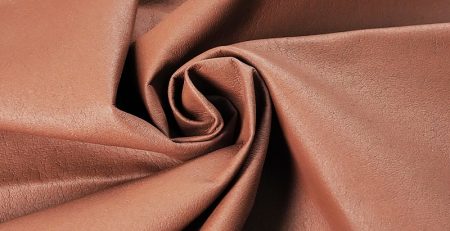
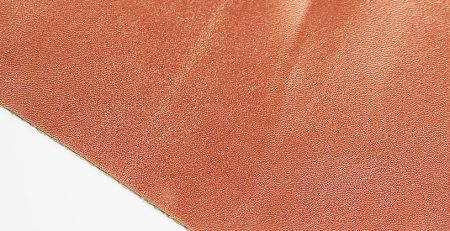
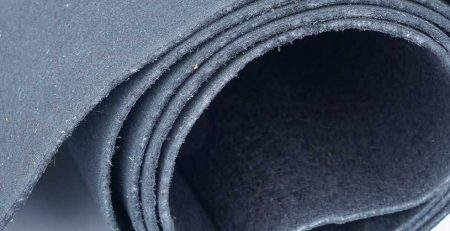
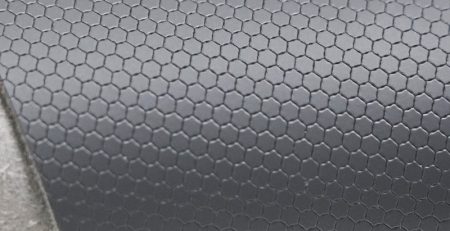
You often see safety shoes material like leather, microfiber, textiles, steel, aluminum, composite, rubber, polyurethane, and EVA. Leather stands out for its durability, breathability, and comfort. Manufacturers select safety shoe materials for protection, long-term value, and support. The table below highlights the advantages of each material:
| Material | Description | Advantages |
|---|---|---|
| Leather | Natural animal skin | Durable, breathable, comfortable |
| Microfibre | Synthetic imitation leather | Soft, easy to clean, resistant to liquids |
| Rubber | Plant or synthetic | Abrasion-resistant, withstands high temps |
| Polyurethane | Durable plastic | Shock absorption, non-slip, long-lasting |
| EVA | Flexible plastic | Lightweight, absorbs impact, adds comfort |
What are the main materials found in safety shoes
- Choose leather for safety shoes if you want durability, comfort, and natural waterproofing.
- Select composite toe caps for lightweight protection and better insulation in cold conditions.
- Look for breathable mesh linings in safety footwear to keep your feet dry and comfortable during long shifts.
Safety Shoes Material by Part
Uppers: Leather, Microfiber & Textiles
You interact with the upper part of safety footwear every time you put on your boots. The upper covers your foot and determines how the shoe feels, protects, and lasts. Manufacturers use several safety shoes material options for uppers, each with unique strengths.
| Material Type | Properties |
|---|---|
| Natural Leather | Exceptional durability, strength, abrasion resistance, breathability, moisture-wicking |
| Synthetic Materials | Water and chemical resistance, lighter than leather, easier to clean |
| Technical Textiles | Lightweight, excellent flexibility, superior breathability |
Leather remains the most popular choice for safety footwear uppers. You get high durability, natural waterproofing, and insulation. Leather also resists abrasion and offers good breathability, which keeps your feet comfortable during long shifts. Microfiber, a synthetic alternative, gives you a soft feel, easy cleaning, and resistance to liquids. Technical textiles provide lightweight flexibility and excellent airflow, making them ideal for hot environments.
Here’s a quick comparison:
| Material | Advantages | Disadvantages |
|---|---|---|
| Leather | High durability, comfort, strength, insulation, breathability, natural resistance to liquids | Sensitive to damage, requires care, can dry out |
| Microfiber | Soft, comfortable, natural resistance to liquids, easy to clean | Can discolor if poor quality, sensitive to sunlight |
| Fabrics | Breathable, cost-effective, versatile designs | Not impermeable, can stain easily, may fade |
You should choose leather for maximum protection and durability. Microfiber works well if you want easy maintenance and lightweight shoes. Textiles suit you if you need a breathable material for hot or indoor work.
Linings: Mesh & Moisture-Wicking Fabrics
The lining sits inside your safety footwear and touches your foot directly. It plays a key role in comfort and moisture management. Most linings use mesh or moisture-wicking fabrics.
| Fabric Type | Properties |
|---|---|
| Polyester Mesh | Breathable, quick-drying, and durable |
| Nylon Mesh | Lightweight, strong, stretchable, resists tearing, handles moisture well |
| Cambrelle | Soft, abrasion-resistant, antifungal, antibacterial, high moisture-absorbing, dries quickly, breathable |
Mesh linings improve air circulation and breathability. Moisture-wicking fabrics keep your feet dry, which is crucial for comfort in hot or active environments. Cambrelle linings add antifungal and antibacterial properties, helping prevent odor and infection.
Tip: Choose safety footwear with mesh or moisture-wicking linings if you work in hot conditions or need extra odor control.
- Breathable mesh uppers enhance air circulation.
- Moisture-wicking linings keep feet dry and comfortable.
- Mesh lining provides airflow and helps manage odors.
Toe Caps: Steel, Aluminum & Composite
The protective toe cap is the heart of steel toe cap safety boots. This part shields your toes from heavy impacts and compression. You can choose from three main materials: steel, aluminum, and composite.
| Material | Protection Level | Weight | Comfort Level | Thermal Conductivity |
|---|---|---|---|---|
| Steel toe caps | Maximum | Heavier | Less comfortable | High |
| Aluminum toe caps | Good balance | Moderate | More comfortable | Moderate |
| Composite toe caps | High | Lightweight | Comfortable | Low |
Steel toe cap safety boots offer the highest level of protection. You should pick steel if you need maximum impact resistance. Aluminum toe caps give you a lighter boot with good protection, making them a solid choice for moderate environments. Composite toe caps, made from materials like Kevlar, carbon fiber, or plastic, provide high protection without the weight. They also insulate better, so your feet stay warmer in cold conditions.
The latest industry standards, such as ASTM F2413-24, require all toe caps to withstand an impact force of 75lbf and a compressive force of 2,500lbf. You can trust that steel, aluminum, and composite toe caps all meet these requirements.
- Steel toe caps offer maximum protection but add weight.
- Aluminum toe caps balance protection and comfort.
- Composite toe caps are lightweight, non-metallic, and insulate against cold.
Insoles & Midsoles: EVA, PU & More
Insoles and midsoles provide cushioning comfort and support. They absorb shock and protect your feet from sharp objects.
| Material | Advantages |
|---|---|
| Polyurethane (PU) | Highly durable, resistant to wear and tear, ideal for long-term use |
| EVA | Flexible, resilient, lightweight, enhances comfort |
| Stainless Steel | Excellent puncture resistance, durable, provides maximum strength |
| Kevlar | Lightweight, flexible, offers similar puncture protection without added weight |
EVA midsoles give you lightweight cushioning and superior shock absorption. This reduces fatigue if you stand or walk for long periods. PU midsoles last longer and resist wear, making them a good choice for tough environments. Some safety footwear uses stainless steel or Kevlar in the midsole for puncture resistance. Kevlar offers flexibility and less weight compared to steel.
EVA midsoles provide the best shock absorption and comfort. PU midsoles focus on durability and support. If you need puncture protection, look for midsoles with steel or Kevlar layers.
Outsoles: Rubber, PU, TPU, PVC
The outsole is the bottom layer of your safety footwear. It determines grip, slip resistance, and how long your boots last.
| Material Type | Slip Resistance | Durability |
|---|---|---|
| High-Grade Rubber | Excellent grip due to softness | Wears down quickly |
| Polyurethane (PU) | Good slip resistance, lightweight | Durable, reduces fatigue |
| EVA | Lightweight, flexible | Less grip and durability than rubber |
| Thermoplastic PU (TPU) | Engineered for grip and flexibility | Good abrasion resistance |
Rubber outsoles give you the best slip resistance, especially on wet or oily surfaces. PU outsoles are lighter and last longer, which helps reduce fatigue. EVA outsoles are flexible and light but do not grip as well as rubber. TPU outsoles combine grip and abrasion resistance, making them suitable for demanding environments. You should match the outsole material to your work setting for the best performance.
- Softer outsoles grip better but wear out faster.
- Harder outsoles last longer but may not grip as well.
- Choose rubber for maximum slip resistance and PU for lightweight durability.
Closures: Laces, Velcro & Other Materials
Closures keep your safety footwear secure and comfortable. The main types are laces, Velcro, and alternative systems.
| Closure Type | Impact on Fit and Security |
|---|---|
| Laces | Provide a customizable fit and better control over pressure on the foot. |
| Velcro | Can secure the shoe effectively, but may not offer the same level of pressure control as laces. |
| Alternative Systems | Offer convenience and ease of use, suitable for individuals with specific needs. |
Laces let you adjust the fit and pressure across your foot. Velcro offers quick fastening and works well if you need to take your shoes on and off often. Alternative systems, like clutch reels, make adjustments easy and suit people who have trouble with traditional closures.
- Laces give you the best fit and control.
- Velcro and alternative systems provide convenience and accessibility.
When you choose safety shoes material for each part, you improve protection, comfort, and durability. The right combination keeps you safe and comfortable all day.
Choosing Safety Shoe Materials
Factors for Selecting Safety Footwear
You need to consider several factors when choosing safety footwear for your workplace. The right safety shoes material protects you from hazards and keeps you comfortable throughout your shift. Look at the table below to compare important features:
| Factor | Description |
|---|---|
| Type of Toe Protection | Steel toe shoes provide heavy protection. Composite toes are lighter and more comfortable. |
| Waterproof or Water-Resistant | Essential for outdoor or wet conditions to keep feet dry and healthy. |
| Sole Quality | Slip-resistant soles are crucial for safety, especially in construction or oil and gas industries. |
| Breathability | Shoes made from breathable materials help maintain hygiene and comfort in hot workplaces. |
| Comfort Features | Ergonomic insoles and cushioning reduce fatigue during long workdays. |
Environmental hazards also affect your choice of materials. Many brands now use recycled components and sustainable processes to reduce greenhouse gas emissions. You should look for safety footwear that meets ASTM F2413 standards to ensure protection and compliance.
Material Comparison: Pros & Cons
You will find different types of safety boots made from a range of materials. Each option has strengths and weaknesses. Use the table below for a quick comparison:
| Material | Pros | Cons |
|---|---|---|
| Steel Toe | High protection; suitable for many work boots. | Holds cold; not suitable for metal detectors. |
| Aluminum Toe | Lighter than steel; slimmer profile. | Not metal-free; not for metal detectors. |
| Composite Toe | Lightest option; up to 30% lighter than steel. | Bulkier shoes due to thicker material. |
| PVC Safety Boots | Lightweight, cost-effective, chemical-resistant, easy to clean. | Poor slip resistance, wears faster, non-biodegradable. |
| Rubber Safety Boots | Superior protection, high slip resistance, eco-friendly. | Heavier, higher cost, poor breathability. |
You should match the choice of materials to your work environment for the best durability and comfort.
Safety Footwear for Different Jobs
Different industries require specific safety shoes material and features. Here are recommendations for common jobs:
| Industry | Recommended Materials and Features |
|---|---|
| Construction | Steel or composite toe caps, puncture-resistant outsoles, slip-resistant soles |
| Manufacturing | Electrical hazard protection, static dissipative properties, durable materials for heavy use |
| Oil & Gas | Slip-resistant outsoles, heat and chemical resistance, metatarsal protection, electrical resistance |
You should select work boots with steel toe caps for construction. Composite toes work best in electrical environments. Rubber outsoles suit oil and gas jobs due to their grip and chemical resistance. Always check that your safety footwear meets the latest safety standards for your industry.
Tip: Lightweight safety shoes with non-metallic toe caps improve comfort and reduce fatigue, especially for long shifts.
Choosing the right materials for safety shoes keeps you protected, comfortable, and productive. OSHA standards require specific features, as shown below:
| Standard | Description |
|---|---|
| I/75 | Impact resistance |
| C/75 | Compression resistance |
| EH | Electrical hazard protection |
- Match your footwear to job hazards for the best results.
- The right choice supports long-term well-being and workplace safety.

FAQ
What is the most durable material for safety shoe uppers?
Leather gives you the best durability. It resists wear and tear. You can trust leather to last longer than most synthetic materials.
Are composite toe caps as safe as steel toe caps?
Yes, you get similar protection from composite toe caps. They meet the same safety standards as steel. You also enjoy lighter weight and better insulation.
How do I know if my safety shoes meet industry standards?
Look for labels like ASTM F2413 or EN ISO 20345 inside your shoes. These show your footwear meets required safety standards.