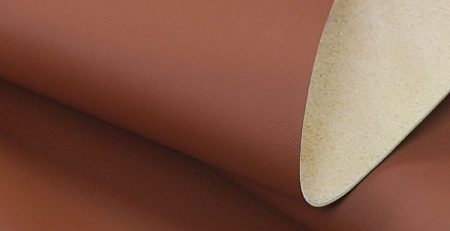
Materials that define modern safety footwear

You find safety shoes made from high durability leather, lightweight microfiber, breathable textiles, steel, aluminum, composites, rubber, PU, and EVA, all of which are essential safety shoes materials. Each of these safety shoe materials offers specific benefits for durability, protection, or comfort. These materials help prevent injuries like crushed feet, burns, and sprains.
Key Takeaways
- Choose safety shoes with leather uppers for durability and breathability. This helps keep your feet comfortable during long work hours.
- Select the right toe cap material based on your work environment. Steel offers strong protection, while composite is lighter and non-conductive.
- Consider outsole materials carefully. Rubber provides excellent slip resistance, while PU and EVA are lighter and more comfortable for less demanding tasks.
Key Safety Shoes Materials
Leather and Synthetic Uppers
When you look at the upper part of safety shoes, you see a range of materials designed for durability, comfort, and protection. The shoe upper often uses leather or synthetic alternatives. Each type brings unique qualities to safety footwear.
| Material Type | Properties | Advantages/Disadvantages |
|---|---|---|
| Full-grain leather | Strongest layer, high-quality appearance, natural water resistance | Durable, protective against external aggression |
| Split leather | Inner layer of leather, obtained by splitting the hide | Less durable than full-grain, but more affordable |
| Nubuck leather | Light sanding gives a velvety feel | Soft texture, but less water-resistant than full-grain |
| Oiled leather | Immersed in oil for waterproofing and protection | Good for wet conditions, but can be heavier |
| Microfibre | Imitation leather, soft to touch, embossed surface | Easy to clean, natural resistance to liquids, lightweight |
| Synthetic materials | Consistent quality, good abrasion and chemical resistance | Lightweight, no animal imperfections, less waste |
You find that full-grain leather stands out for its strength and natural water resistance. This makes it a top choice for work boots that need to withstand tough environments. Split leather offers a more affordable option, though it sacrifices some durability. Nubuck leather gives you a soft, comfortable feel, but it does not handle moisture as well as other types. Oiled leather works well in wet conditions, but you may notice it feels heavier on your feet.
Microfibre and other synthetic materials have become popular in safety shoes materials. They resist liquids, clean easily, and weigh less than leather. Synthetic uppers also provide consistent quality and reduce waste. However, they may not last as long as leather in harsh conditions.
| Material | Durability | Breathability |
|---|---|---|
| Synthetic | Moderate | Can trap heat, leading to sweaty feet on long days. |
| Leather | High | Offers more breathability and is less prone to sweat and moisture accumulation. |
Leather uppers give you high durability and better breathability. Your feet stay drier and more comfortable during long shifts. Synthetic uppers, while lighter, can trap heat and moisture, which may lead to discomfort.
Tip: If you work in hot or humid environments, choose leather uppers for better breathability. For lighter tasks or where weight matters, synthetic materials may suit you better.
Toe Cap Materials: Steel, Aluminum, Composite
The toe cap is one of the most critical components of a safety shoe. It protects your toes from falling objects and compression. You can choose from steel, aluminum, or composite toe caps, each meeting strict safety standards.
| Toe Cap Type | Impact Resistance | Weight | Conductivity | Durability |
|---|---|---|---|---|
| Steel | High | Heavier | Conducts heat/cold | Very durable |
| Aluminum | Moderate | Lighter | Conducts heat/cold | Less durable than steel |
| Composite | Moderate | Lightest | Non-conductive | Durable but may lose durability after impact |
Steel toe caps offer the highest level of protection. They resist heavy impacts and last a long time. However, steel adds weight to your safety shoes and conducts heat and cold, which can be uncomfortable in extreme temperatures.
Aluminum toe caps weigh less than steel and still provide good protection. They also conduct temperature, but they do not last as long as steel in harsh conditions.
Composite toe caps use advanced materials like fiberglass, carbon fiber, or plastic. They are the lightest option, sometimes up to 30% lighter than steel. Composite toe caps do not conduct heat or cold, making them ideal for electrical work or extreme climates. However, they may lose some durability after a strong impact.
Note: All toe caps must meet safety standards for impact and compression. Choose the right material based on your work environment and comfort needs.
Outsoles: Rubber, PU, EVA, TPU
Outsoles form the base of safety shoes and play a key role in slip resistance, comfort, and durability. You will find several materials used for outsoles, each with its own strengths.
Rubber outsoles provide excellent slip resistance. The tread patterns grip surfaces well, even when wet, and help channel away liquids. Rubber also resists oil, chemicals, and abrasion, making it a reliable choice for many types of safety boots. However, rubber soles can feel heavy.
Polyurethane (PU) outsoles are lightweight and flexible. They absorb shocks well and resist oil and chemicals. PU lasts a long time but usually costs more than rubber.
Thermoplastic polyurethane (TPU) combines the benefits of rubber and PU. TPU outsoles offer high abrasion resistance, good slip resistance, and durability. They cost a bit more but deliver excellent performance.
Ethylene vinyl acetate (EVA) outsoles are very light and cushion your steps. They provide good slip resistance but do not last as long as other materials.
- Rubber Soles: Excellent slip resistance and durability; resistant to oil, chemicals, and abrasion; heavy.
- PU Soles: Lightweight, flexible, superior shock absorption; good resistance to oil and chemicals; more expensive but long-lasting.
- TPU Soles: Combines benefits of rubber and PU; high abrasion resistance; good slip resistance and durability; slightly more expensive.
- EVA Soles: Lightweight and cushioning; good slip resistance; less durable than other materials.
Tip: If you work in wet or oily environments, rubber outsoles offer the best grip. For lighter safety shoes, PU or EVA may be a better choice.
Linings and Insoles
Linings and insoles add comfort, manage moisture, and help control odor in safety footwear. You will find a variety of materials used for these components.
Common lining materials include polyamide and polyester textiles. These wick moisture away from your feet and dry quickly. Some safety shoes use 3D micro-aerated linings for extra breathability. Waterproof-breathable linings keep your feet dry in wet conditions. Recycled materials and synthetic fur also appear in some types of safety shoes for added comfort or sustainability.
| Lining Material | Moisture Management Properties |
|---|---|
| Leather | Excellent breathability and moisture absorption; conforms to foot shape for comfort. |
| Standard Textiles | Wicks moisture away quickly and dries fast; ideal for active use or warm conditions. |
| Thermo-regulating Textiles | Manages temperature by retaining heat in cold or feeling cool in warm environments. |
| Waterproof Membranes | Creates a barrier against external water while allowing sweat to escape. |
Many insoles feature antimicrobial treatments. These prevent the growth of odor-causing bacteria, reduce unpleasant smells, and help you feel more confident. Moisture-wicking insoles also lower the risk of foot infections and improve comfort during long hours in work boots.
Note: When you select safety shoes materials for linings and insoles, look for moisture management and antimicrobial features. These keep your feet healthy and comfortable, even during long shifts.
By understanding the components of a safety shoe and the choice of materials, you can select the best safety footwear for your needs. The right combination of materials ensures protection, comfort, and durability across all types of safety shoes.
Material Impact and Trends in Safety Shoes
Safety, Comfort, and Durability
You rely on safety shoes to protect your feet from impact, punctures, and electrical hazards. The materials used in these shoes play a major role in their performance. For example, steel toe cap safety boots offer strong impact protection and can be insulated for electrical safety. Composite toe caps, made from materials like Kevlar or carbon fiber, are lightweight and non-conductive, making them ideal for electrical work. Anti-penetration inserts in the soles prevent sharp objects from injuring your feet. Outsoles made from rubber or PU provide anti-slip properties, which help you stay safe on wet or oily surfaces. Water-resistant linings and uppers keep your feet dry in challenging environments.
| Type of Shoe | Key Features | Applications |
|---|---|---|
| Steel Toe Cap Safety Boots | Reinforced toe, durable, water-resistant | Construction, heavy industry |
| Composite Toe Shoes | Lightweight, non-conductive, water-resistant | Electrical, security, metal detector areas |
| Anti-Slip Shoes | Anti-slip outsoles, water-resistant | Kitchens, hospitals, wet workplaces |
Advantages and Disadvantages of Safety Shoe Materials
You should consider the pros and cons of each material before choosing your footwear.
| Material | Advantages | Disadvantages |
|---|---|---|
| Leather | Breathable, water-resistant, durable | Needs care, can dry out |
| Microfibre | Lightweight, easy to clean, water-resistant | May discolor in sunlight |
| EVA | Lightweight, absorbs impact | Can trap moisture, cause odors |
| Rubber | Anti-slip, withstands heat | Heavier than other materials |
| Polyurethane | Shock absorption, long-lasting | Less durable than rubber |
Softer, lighter materials increase comfort, while heavier materials like steel offer more protection. You may prefer lightweight shoes for long shifts.
Innovations: Sustainable and Advanced Materials
You see new trends in safety footwear, such as natural fibers like bamboo and hemp, biodegradable components, and lab-grown leather. Brands now use recycled rubber and plastic bottles to make water-resistant safety shoes. Advanced composites like carbon nanotubes and Kevlar improve strength without adding weight. The market for sustainable footwear grows each year as more people choose eco-friendly options.
- Natural fibers provide breathability and comfort.
- Biodegradable soles reduce landfill waste.
- Advanced composites offer high strength and low weight.
Steel Toe Cap Safety Boots
Steel toe cap safety boots have evolved. Modern designs focus on reducing weight and increasing comfort. You find these boots in many styles, including sneakers and sandals. Manufacturers now use ergonomic shapes and water-resistant materials to improve fit and durability. Anti-slip soles and anti-penetration inserts add extra layers of safety. Today, steel toe cap safety boots protect you while keeping you comfortable during long workdays.
You improve safety and comfort by choosing the right materials for your work shoes. Consider durability, fit, and the insole for optimal protection. The insole affects long-term performance, especially in demanding environments. A quality insole helps prevent injuries. Explore both classic and new materials to match your needs and workplace.

FAQ
What is the best material for safety shoe uppers?
Leather gives you durability and breathability. Synthetic materials offer lighter weight and easy cleaning. Choose based on your work environment and comfort needs.
Are composite toe caps as safe as steel toe caps?
Composite toe caps meet safety standards for impact and compression. You get protection without extra weight or temperature conductivity.
How do I choose the right outsole material?
Rubber outsoles provide slip resistance and durability. PU and EVA offer lighter weight and comfort. Match the outsole to your workplace hazards and daily tasks.