What Sets Microfiber PU Leather Apart from Real Leather and PU Leather

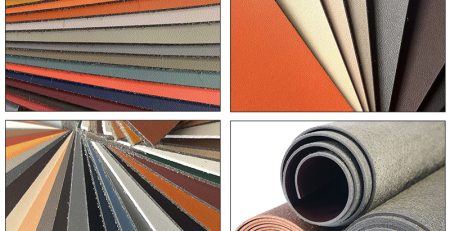
Microfiber Pu Leather stands out with its high durability, lower environmental impact, and moderate cost compared to real leather and standard PU leather. The latest market data shows that PU microfiber leather reached a value of USD 2.5 billion in 2024 and is projected to grow rapidly. BZ LEATHER’s Microfiber Leather demonstrates these advantages by offering a flawless finish, strong physical properties, and eco-friendly certifications. The table below highlights how these materials compare:
| Feature | PU Leather | Microfiber Leather | Real Leather |
|---|---|---|---|
| Durability | Low to moderate | High | Very high |
| Cost | Low | Moderate | High |
| Eco Impact | Moderate | Lower than PU | High |
What Sets Microfiber PU Leather Apart from Real Leather and PU Leather
- Microfiber PU leather is durable, eco-friendly, and cost-effective compared to real leather and standard PU leather.
- It mimics the look and feel of genuine leather while offering better resistance to wear and tear.
- Microfiber leather is lighter and easier to maintain, making it ideal for furniture, fashion, and automotive applications.
- This material is 100% vegan and cruelty-free, appealing to consumers who prioritize sustainability.

- Microfiber leather has superior durability, often lasting longer than real leather in harsh conditions.
- It requires simple cleaning routines, such as wiping with a damp cloth, to maintain its appearance.
- Microfiber leather products are certified safe, ensuring they are free from harmful substances.
- Choosing microfiber leather supports eco-friendly practices while providing stylish and functional options.
Microfiber PU Leather Overview
What Is Microfiber PU Leather
Microfiber pu leather represents a modern alternative to traditional materials. Manufacturers design this synthetic leather to closely mimic the look and feel of genuine leather. The structure of microfiber pu leather relies on a dense network of polyamide fibers, which creates a matrix similar to the collagen found in natural leather. This base provides strength and flexibility. On top of the fiber base, a layer of polyurethane (PU) resin adds durability and enhances performance. The combination of these components results in a material that resists wear, maintains its shape, and offers a soft touch.
The table below outlines the composition and structure of microfiber pu leather:
| Component | Description |
|---|---|
| Polyamide Fiber Base Structure | Forms a dense, interconnected matrix similar to collagen in natural leather, providing durability. |
| PU Resin Layer | Composed of 55% PU solution, 40% plasticizers, 1% stabilizers, and 5% solid fillers, enhancing performance. |
| Binding Agents and Additives | Includes polyhydric alcohol, diisocyanate, and epoxy resin, improving adhesion and water resistance. |
Microfiber pu leather stands out because it delivers the appearance and comfort of real leather while offering improved resistance to abrasion, hydrolysis, and UV rays. The tightly woven fibers and advanced 3D technology ensure that the material remains consistent and flawless across different applications.
BZ LEATHER Microfiber Leather Features
BZ LEATHER’s microfiber leather sets a new standard for synthetic materials. The company uses a unique blend of polyamide fiber and polyurethane to create a vegan product that does not involve animal hides. This approach supports eco-friendly manufacturing and appeals to consumers who value sustainability.

Microfiber leather from BZ LEATHER offers several advantages:
- Superior durability: The material resists tearing, flexing, and staining, making it suitable for demanding environments.
- Cost-effectiveness: Microfiber leather costs only about 30% of real leather, providing significant savings without sacrificing quality.
- Consistent quality: The surface remains free from defects, holes, and flaws, ensuring a high coefficient of utilization.
- Water resistance and anti-stain properties: Products maintain their appearance over time, even with frequent use.
Safety and environmental responsibility remain priorities for BZ LEATHER. The company’s microfiber leather passes multiple certifications, including REACH, RoHS, and PETA Approved. These certifications guarantee that the material is free from harmful substances and safe for consumers. Additional features include:
- Free from phthalates
- Free from formaldehyde
- Passed REACH SVHC test
- EN-71-3 Free
- Azo Dyes Free
- DMFU & DFMA Free
Microfiber pu leather from BZ LEATHER combines luxury, performance, and sustainability. The material’s fire-resistant properties make it suitable for automotive, aviation, and marine industries. Consumers can choose microfiber leather for car interiors, handbags, furniture, and shoes, knowing they receive a product that balances style, durability, and environmental responsibility.
Real Leather and PU Leather Explained
What Is Real Leather
Natural leather comes from animal hides, most commonly cowhide. Manufacturers process these hides through several steps to create a durable and flexible material. The process begins with cleaning and treating the skin to remove hair and impurities. Tanning follows, which preserves the hide and prevents it from decomposing. Dyeing gives natural leather its color and helps protect it from degradation. The final steps involve finishing, where the surface is smoothed, textured, or embossed to achieve the desired look.
Natural leather stands out for its breathability. The material allows air and moisture to pass through, which keeps products comfortable and helps prevent odor buildup. This feature makes natural leather popular for shoes, furniture, and car interiors. The texture and appearance of natural leather vary from piece to piece, giving each item a unique character. Many people value this individuality and the luxurious feel that natural leather provides.
Manufacturers often choose natural leather for high-end products. Its durability and timeless style make it a preferred choice for premium handbags, shoes, and automotive upholstery. The market positions natural leather as a luxury material, often commanding higher prices due to its quality and origin.
What Is PU Leather
PU leather is a synthetic material made from polyurethane. Manufacturers create pu leather by layering polyurethane onto a base, which can be fabric, paper, or split leather. The process involves several steps:
- Creating the base: The base layer is prepared using materials like fabric, paper, or split leather.
- Applying the polyurethane layer: A polymer solution is poured on the base, followed by spraying or laminating with a second polymer and emulsifier solution, then baked to solidify.
- Finishing and texturing: A resin solution is applied, and the material is pressed to replicate natural leather grain, followed by drying and embossing.
PU leather mimics the appearance of natural leather but does not offer the same breathability or durability. The surface is consistent and free from natural imperfections, which appeals to manufacturers seeking uniformity in their products. PU leather is soft and flexible, making it suitable for a wide range of applications.
In the fashion industry, pu leather has gained popularity due to its cost-effectiveness and versatility. Brands use pu leather for wallets, bags, and clothing, where softness and durability are important. The automotive sector also favors pu leather for interiors, including dashboards and seats. Companies like Tesla and BMW have shifted toward sustainable materials, and pu leather fits this trend. In 2024, the pu leather segment accounted for over half of the global synthetic leather market revenue, showing its strong market position.
Tip: PU leather offers an affordable alternative to natural leather, especially for consumers who want style and durability without the higher price tag.
The market positions pu leather as a practical and eco-friendly choice. Its lower cost and consistent quality make it accessible for mass production in fashion, furniture, and automotive industries.
Microfiber Leather vs Real Leather
Difference Between Microfiber Leather and Natural Leather
The difference between microfiber leather and natural leather begins with their source and composition. Genuine leather comes from animal hides, while microfiber leather is a synthetic material made from polyamide fibers and polyurethane. Manufacturers use advanced technology to create microfiber leather that mimics the texture and appearance of real leather.
The following table highlights the main distinctions:
| Feature | Genuine Leather | Microfiber Leather |
|---|---|---|
| Source and Composition | Natural material from animal skin | Artificial fabric made from microfiber and polymers |
| Structure and Technology | Complex fiber structure, processed through tanning | Compounded microfibers and polymers, controlled process |
| Appearance | Natural texture with clear pores | Consistent texture, lacks pores |
| Weight | Heavier, generally around 0.6 | Lighter, generally around 0.3-0.5 |
| Smell | Distinct animal smell | Less smell, may have plastic scent in low-end versions |
| Draw Materials | Limited by animal skin size | Stable quality and property, more convenient |
| Price | Generally more expensive | Can be cheaper, but high-end microfiber can be costly |
Microfiber leather characteristics include a consistent surface, stable quality, and lighter weight. Genuine leather offers a unique texture and scent due to its natural origin. Microfiber leather provides more convenience in manufacturing because it is not limited by the size or quality of animal hides.
Microfiber Leather vs Real Leather: Durability
Durability plays a crucial role in the comparison between these two materials. BZ LEATHER Microfiber Leather demonstrates outstanding resistance to peeling and cracking. Genuine leather may begin to peel or crack after two to three years, especially in harsh environments. Microfiber leather from BZ LEATHER comes with a five-year warranty against peeling and cracking, even in extreme temperatures as low as -20 degrees Celsius.
Manufacturers test both materials for hydrolysis resistance. Microfiber leather does not peel after 192 hours in a 10% sodium hydroxide solution, which simulates natural environmental conditions. This result shows that microfiber leather will last at least five years without peeling.
Abrasion, tear, and tensile strength tests further highlight the durability of microfiber leather. The following table presents the results:
| Material | Tensile Strength (MPa) | Tear Strength (N/mm) | Abrasion Resistance (repetitions) |
|---|---|---|---|
| Microfiber Leather | 15-20 | >30 | No changes after 5,000 |
| Genuine Leather | 8-12 | 10-20 | Significant damage after 1,800-1,900 cycles |
Wear resistance tests show that genuine leather develops holes after 1,800-1,900 cycles. Microfiber leather remains undamaged even after 19,000 cycles. This comparison confirms that microfiber leather offers superior durability for everyday use.
Tip: Microfiber leather is ideal for products that require long-lasting performance, such as car interiors, furniture, and footwear.
Appearance and Feel
Appearance and feel matter to many consumers. Genuine leather displays a natural texture with visible pores and unique patterns. Each piece looks different, which adds character and luxury. Microfiber leather features a consistent texture without pores. Manufacturers control the surface to ensure uniformity across all products.
Microfiber leather feels soft and smooth, closely resembling the touch of real leather. High-quality microfiber leather, such as BZ LEATHER’s product, offers a luxurious feel that appeals to those seeking comfort and style. Genuine leather has a distinct scent and a heavier weight, while microfiber leather is lighter and usually has less odor.
Maintenance and Care
Proper maintenance extends the lifespan of both microfiber leather and real leather. Each material requires a different approach to cleaning and conditioning. Microfiber leather offers a straightforward routine. Owners can vacuum the surface or wipe it with a mild soap and water solution. Applying a conditioner after cleaning helps preserve its softness and flexibility. Storage in a cool, dry place away from sunlight prevents fading and damage.
Real leather demands more attention. Users should clean it with a dry or slightly damp cloth and use specialized leather cleaners. Conditioning every two to three months keeps the material supple and prevents cracking. Breathable containers work best for storage, while plastic should be avoided to prevent moisture buildup.
The table below summarizes the recommended care routines:
| Type of Leather | Cleaning Method | Conditioning Frequency | Storage Recommendations |
|---|---|---|---|
| Microfiber Leather | Vacuum, use mild soap and water solution | Apply conditioner after cleaning | Store in a cool, dry place away from sunlight |
| Real Leather | Use a dry or slightly damp cloth, leather cleaner | Every 2-3 months | Store in breathable containers, avoid plastic |
Tip: Regular care not only maintains appearance but also extends the usable life of both materials.
Cost and Value
Cost plays a significant role when choosing between microfiber leather and real leather. Microfiber leather stands out for its affordability. The average cost per square meter ranges from $23.6 to $30.5. Genuine leather, on the other hand, costs between $1,290 and $1,935 per square meter. This difference makes microfiber leather a practical choice for budget-conscious buyers.
Long-term value depends on more than just initial price. Genuine leather develops character over time and often lasts for decades. Many consider it a valuable investment for luxury goods. Microfiber leather provides consistent quality and a flawless finish at a fraction of the cost. While it may not offer the same aging effect as real leather, its durability and low maintenance requirements make it a smart option for everyday products.
| Type of Leather | Cost per Square Meter |
|---|---|
| Genuine Leather | $1,290 – $1,935 |
| Microfiber Leather | $23.6 – $30.5 |
Note: The affordability of microfiber leather allows manufacturers to produce stylish and durable goods for a wider market.
Environmental Impact
Environmental concerns influence many purchasing decisions today. Microfiber leather and real leather differ in their impact on the planet. Microfiber leather uses petrochemical-based materials, which require significant energy during production. This process results in a higher carbon footprint and greater water usage.
Real leather comes from natural sources and is biodegradable. However, the tanning process involves chemicals, and livestock farming contributes to greenhouse gas emissions. Water usage and chemical runoff also pose environmental challenges.
The table below compares the environmental impact of both materials:
| Material | Environmental Impact | Carbon Footprint | Water Usage |
|---|---|---|---|
| Microfiber Leather | Petrochemical-based, significant energy required | Higher | Higher |
| Real Leather | Natural, biodegradable, chemicals in tanning, livestock emissions | Lower | Lower |
Consumers who prioritize sustainability may prefer microfiber leather for its vegan status and consistent quality. BZ LEATHER’s microfiber leather passes REACH safety compliance, ensuring it meets strict environmental standards. When comparing microfiber leather vs pu leather, buyers should consider not only durability and cost but also the ecological footprint of each material.
Microfiber Leather vs PU Leather
Microfiber PU Leather vs PU Leather: Key Differences
Microfiber PU leather and standard PU leather differ in several important ways. Manufacturers create microfiber PU leather using a reinforced structure of polyamide fibers and polyurethane, while standard PU leather often uses a coated second layer of cowhide. This difference in composition leads to distinct performance characteristics.
The table below highlights the main differences:
| Feature | Microfiber PU Leather | Standard PU Leather |
|---|---|---|
| Composition | Microfiber reinforced leather | Coated second layer of cowhide |
| Wear Resistance | Extremely excellent | Moderate |
| Breathability | Excellent | Limited |
| Softness | Softer than genuine leather | Varies, generally less soft |
| Environmental Impact | Advocated for environmental protection | Less focus on environmental aspects |
| Applications | Bags, clothing, shoes, vehicles, furniture | Primarily clothing and accessories |
Microfiber PU leather stands out for its advanced 3D weaving technology and tightly woven fibers. These features give the material a consistent surface and superior strength. Standard PU leather, while affordable and widely used, does not match the durability or comfort of microfiber PU leather. Manufacturers often choose microfiber PU leather for products that require long-lasting performance and a luxurious feel.
Durability and Performance
Durability remains a key factor when comparing microfiber leather to standard PU leather. Microfiber leather, such as BZ LEATHER’s product, demonstrates stronger wear resistance. It resists acid and alkali damage, and it shows greater resistance to hydrolysis than ordinary PU leather. These qualities make microfiber leather suitable for demanding environments.
Microfiber leather is designed to last longer than traditional synthetic leathers. With proper care, it can maintain its appearance and structure for five to ten years or more. The material resists wear, fading, and cracking, which helps products retain their value over time. Unlike some PU leathers, microfiber leather does not peel easily. Its resistance to wear and fading contributes to its longevity.
Laboratory tests show that microfiber synthetic leather exhibits greater robustness and adequate seam strength. PU leather is known for its exceptional seam strength and durability, but microfiber synthetic leather enhances product durability and sustainability, especially in the fashion industry.
Manufacturers value microfiber leather for its ability to withstand daily use. Car interiors, furniture, and footwear benefit from the material’s strength and reliability. Microfiber leather’s advanced structure ensures that products remain attractive and functional, even after years of use.
Look and Comfort
The appearance and comfort of a material influence consumer choice. Microfiber PU leather offers a soft, luxurious feel that often surpasses genuine leather. The tightly woven fibers create a smooth surface, free from defects and inconsistencies. Standard PU leather varies in softness and may feel less comfortable, especially in lower-quality versions.
Microfiber leather mimics the look of real leather with a consistent texture and elegant finish. The material provides excellent breathability, which enhances comfort in products like shoes, bags, and car seats. Standard PU leather has limited breathability, which can affect comfort during extended use.
Consumers appreciate the uniform appearance of microfiber leather. The material maintains its color and texture over time, resisting stains and fading. Regular cleaning helps preserve its look and feel. Microfiber leather responds well to simple cleaning routines, such as wiping with a damp cloth or using mild soap solutions. This ease of cleaning makes it a practical choice for busy households and high-traffic environments.
Standard PU leather also benefits from regular cleaning, but it may require more attention to prevent cracking or peeling. Proper pu leather maintenance extends the life of both materials, but microfiber leather’s superior durability and comfort set it apart.
Tip: Microfiber PU leather combines style, comfort, and easy cleaning, making it ideal for everyday products.
Maintenance and Cleaning
Proper care helps both microfiber PU leather and standard PU leather last longer and look better. Each material has its own cleaning routine and maintenance needs. Microfiber PU leather stands out for its ease of care and resistance to water and stains.
- Microfiber PU Leather:
Owners should vacuum the surface regularly to remove dust and dirt. For deeper cleaning, a mixture of water and mild soap works well. Apply only the suds with a soft cloth to avoid soaking the material. This method prevents excess moisture from seeping into the fibers. Microfiber PU leather resists water, so spills are less likely to cause stains or damage. The material rarely cracks or peels, even with frequent cleaning. - PU Leather:
Standard PU leather requires a gentle approach. Wipe the surface with a damp cloth and a mild soap solution. Make sure to remove all soap residues, as leftover cleaner can damage the finish over time. PU leather does not resist water as well as microfiber leather. If exposed to too much moisture, it may stain or crack. Regular cleaning helps maintain its appearance, but extra care is needed to prevent long-term wear.
Tip: Microfiber PU leather offers a more forgiving cleaning process and better water resistance than standard PU leather. This makes it ideal for busy households, car interiors, and high-traffic areas.
A simple cleaning routine keeps both materials looking their best. Microfiber PU leather’s advanced structure and water resistance reduce the risk of stains and make maintenance straightforward. Standard PU leather benefits from regular care but needs more attention to avoid damage from moisture and cleaning agents.
Real Leather vs PU Leather
Strength and Lifespan
Real leather and PU leather differ greatly in strength and lifespan. Real leather stands out for its exceptional durability. With proper care, it can last from 10 to 20 years or even longer. The material resists tearing and cracking, and it develops a natural patina over time, which adds character and value. Many people consider real leather a long-term investment because it remains repairable and attractive for decades.
PU leather, on the other hand, offers good initial strength but has a much shorter lifespan. Most PU leather products last between 3 and 5 years. Over time, PU leather often shows signs of wear such as peeling and cracking, especially when exposed to moisture or heavy use. While PU leather resists abrasions, it cannot match the longevity of natural leather.
| Material | Lifespan | Durability Characteristics |
|---|---|---|
| Real Leather | 10 to 20 years or more | Exceptional durability, develops a natural patina, resists tearing and cracking with care |
| PU Leather | 3 to 5 years | Shorter lifespan, shows signs of wear like peeling and cracking, less durable than real leather |
Tip: Real leather is ideal for products that need to withstand years of use, while PU leather suits short-term or budget-friendly applications.
Visual and Tactile Qualities
The appearance and feel of real leather and PU leather set them apart in many ways. Real leather displays a natural look with unique imperfections. Each piece has its own character, which appeals to those who value authenticity. The texture of real leather feels smooth and supple, and it emits a distinct natural scent that many find appealing.
PU leather, although soft and flexible, does not replicate the exact feel of genuine leather. The surface of PU leather looks uniform and lacks the unique markings found in real leather. PU leather often has a plasticky smell, which differs from the rich aroma of natural leather. Some reviewers note that PU leather feels softer than other types of faux leather, which can enhance comfort in certain products.
- Real leather features a natural appearance with unique imperfections.
- PU leather offers a consistent look but lacks authenticity.
- Real leather feels smooth and supple, while PU leather is soft but not identical in texture.
- Real leather emits a natural scent; PU leather has a plasticky smell.
Maintenance Needs
Maintenance requirements for real leather and PU leather also differ. PU leather is non-porous, which makes it easier to clean and maintain. Owners can simply wipe the surface with a damp cloth to remove dirt and stains. Regular cleaning helps keep PU leather looking fresh, but it does not require conditioning.
Real leather absorbs liquids and needs more careful cleaning. Owners should use a microfiber cloth and apply leather lotion regularly to prevent drying and deterioration. Conditioning helps maintain the softness and appearance of real leather. Without proper care, real leather can dry out and lose its quality.
| Material | Maintenance Needs | Cleaning Method |
|---|---|---|
| PU Leather | Minimal maintenance; requires regular cleaning to avoid dirt and stains. | Wipe with a damp cloth. |
| Real Leather | Requires regular conditioning to prevent drying and deterioration. | Use a microfiber cloth and leather lotion. |
Note: PU leather offers a low-maintenance solution for busy households, while real leather demands more attention to preserve its quality and appearance.
Affordability
Price plays a major role when consumers choose between real leather and PU leather. Real leather products often cost much more than PU leather items. This difference appears clearly in both the furniture and fashion markets. The following table shows the typical price ranges:
| Material | Price Range |
|---|---|
| PU Leather | $300 – $800 |
| Real Leather | $1,500 – $5,000+ |
PU leather offers a budget-friendly option for buyers who want the look of leather without the high cost. Many furniture stores and fashion brands use PU leather to create stylish products at lower prices. Shoppers can find PU leather sofas, jackets, and handbags for a fraction of the cost of real leather versions.
Real leather commands premium prices because of its natural origin, durability, and unique appearance. Luxury brands and high-end furniture makers often use real leather to signal quality and exclusivity. The higher price reflects the cost of sourcing animal hides, processing, and finishing the material.
Consumers should consider their budget and long-term needs before making a purchase. PU leather suits those who want affordable style and easy maintenance. Real leather appeals to buyers who value longevity, natural texture, and a luxury experience.
Tip: PU leather helps families and young professionals enjoy modern design without overspending. Real leather works best for those seeking investment pieces that last for years.
Sustainability
Sustainability remains a key concern for many buyers today. Real leather and PU leather each have unique environmental profiles. Real leather comes from animal hides, often as a byproduct of the meat industry. This connection raises concerns about livestock farming, which uses large amounts of land and water. Livestock also produce methane, a greenhouse gas that contributes to climate change.
PU leather, on the other hand, is made from plastic derived from non-renewable petrochemicals. Manufacturers promote PU leather as a less harmful alternative, but it is non-biodegradable. When PU leather products reach the end of their life, they add to plastic pollution. Recycling options for PU leather remain limited, so most items end up in landfills.
Both materials present environmental challenges. The sustainability of real leather depends on responsible sourcing and eco-friendly tanning processes. Some companies use vegetable-based tanning methods to reduce chemical waste. PU leather’s impact depends on the use of recycled plastics and cleaner production techniques.
Consumers who care about the environment should research brands and production methods before buying. Choosing products made with sustainable practices can help reduce negative effects on the planet.
Note: No material is perfect. Responsible sourcing and thoughtful disposal make a difference in the overall sustainability of leather products.
Applications and Best Uses

BZ LEATHER Microfiber Leather stands out as a high-quality product for furniture and upholstery. Manufacturers select this material for sofas, chairs, and car seat covers because it delivers durability and comfort. The surface resists abrasion and aging, which helps maintain the quality of furniture over time. Microfiber leather products offer easy maintenance, making them ideal for busy households and commercial spaces.
The following table highlights common applications and performance characteristics:
| Application | Performance Characteristics |
|---|---|
| Car Seat Covers | Fire resistant, anti-hydrolysis, low VOC, low DMF, PVC free |
| Furniture | Anti-abrasion, comfortable, aging resistant, easy to maintain |
| Aviation | Passes California Pro 65 regulations, FMVSS 302 fire resistant |
| Marine Boat | Fire resistant (BS5852 test) |
Microfiber leather products provide several benefits for furniture and upholstery:
- Anti-mildew properties keep interiors fresh.
- No odor, which improves air quality indoors.
- Comfortable seating experience for users.
- Long lifespan due to aging resistance.
- High usage ratio, nearly 100%, reduces waste.
- Easy to maintain and clean.
These features make microfiber leather a preferred choice for manufacturers who want a high-quality product that lasts.
Fashion and Accessories
The fashion industry values microfiber leather for its versatility and style. Designers use this material in handbags, shoes, belts, and microfiber leather jackets. Microfiber leather products mimic the look and feel of traditional leather, which appeals to consumers seeking elegance and comfort. The softness and eco-friendliness of microfiber leather set it apart from other pu leather uses.
Microfiber leather jackets have become popular for their durability and lightweight design. The material resists stains and water, which helps maintain the quality of fashion items. Brands choose microfiber leather products for high-end applications, offering a sustainable alternative to real leather. The benefits include long-lasting wear, easy cleaning, and a luxurious appearance.
Fashion accessories made from microfiber leather combine style with practicality. The material’s durability ensures that bags and shoes retain their shape and color. The industry recognizes microfiber leather as a high-quality product that meets the demands of modern consumers.
Automotive and Marine
Automotive and marine industries rely on microfiber leather for its performance and safety features. Car interiors, boat seats, and aviation upholstery benefit from the fire resistance and water resistance of this high-quality product. Microfiber leather products pass strict safety tests, including FMVSS 302 and BS5852, which makes them suitable for demanding environments.
Manufacturers use microfiber leather in car seat covers and dashboards because it resists hydrolysis and maintains its quality under extreme conditions. Marine applications require materials that withstand moisture and sunlight. Microfiber leather delivers these benefits, ensuring long-lasting use and easy maintenance.
The versatility of microfiber leather extends to various pu leather uses in vehicles and boats. Its anti-stain properties and comfortable texture enhance the user experience. Automotive and marine sectors recognize microfiber leather as a high-quality product that meets industry standards for safety and durability.
Other Uses
Microfiber PU leather continues to expand its presence beyond conventional industries. Manufacturers now explore innovative applications that leverage the material’s unique properties. The versatility of BZ LEATHER Microfiber Leather supports a wide range of uses, making it a preferred choice for forward-thinking designers and engineers.
One emerging area involves smart textiles. Companies integrate microfiber PU leather into wearable technology, using its flexible structure to embed sensors and conductive coatings. This approach enables the creation of garments that monitor health, track movement, or interact with digital devices. The material’s durability and comfort make it suitable for daily wear, while its smooth surface allows for seamless integration of electronic components.
Sustainable manufacturing also benefits from microfiber PU leather. Factories adopt closed-loop systems that recycle production waste, reducing environmental impact. The eco-friendly nature of BZ LEATHER Microfiber Leather aligns with these practices, supporting brands that prioritize responsible sourcing. Manufacturers appreciate the consistent quality and high utilization rate, which minimizes material waste during cutting and assembly.
The demand for cruelty-free and high-performance fabrics drives adoption across new sectors. Designers use microfiber PU leather in luxury packaging, offering a sophisticated look for gift boxes and product cases. The material’s resistance to stains and water ensures that packaging remains pristine during transport and storage. Event planners select microfiber leather for decorative elements, such as table runners and wall panels, because it combines elegance with practicality.
Craft enthusiasts and artists find value in microfiber PU leather for creative projects. The material’s easy-to-cut surface and vibrant color options inspire makers to produce wallets, phone cases, and custom accessories. Schools and community centers use microfiber leather in educational workshops, teaching students about sustainable materials and design principles.
The medical field recognizes the benefits of microfiber PU leather in protective gear and equipment covers. Hospitals choose the material for its water resistance and ease of cleaning, which helps maintain hygiene standards. Rehabilitation centers use microfiber leather in therapy tools, providing patients with comfortable and durable surfaces.
Note: Microfiber PU leather adapts to diverse environments, from high-tech laboratories to creative studios. Its combination of strength, flexibility, and eco-friendliness opens doors to new possibilities.
The following list summarizes some unique and emerging uses for microfiber PU leather:
- Smart textiles and wearable electronics
- Sustainable manufacturing and closed-loop production
- Luxury packaging and decorative elements
- Arts, crafts, and educational workshops
- Medical equipment covers and therapy tools

Manufacturers continue to discover new ways to utilize BZ LEATHER Microfiber Leather. The material’s advanced features support innovation across industries, making it a valuable asset for modern applications. As technology and sustainability trends evolve, microfiber PU leather stands ready to meet the needs of tomorrow’s markets.
Quick Comparison Table
Microfiber PU Leather vs Real Leather vs PU Leather
The following table summarizes the main differences among microfiber PU leather, real leather, and PU leather. This overview helps readers quickly compare their properties and decide which material suits their needs.
| Feature | PU Leather | Genuine Leather | Microfiber Leather |
|---|---|---|---|
| Material Origin | Synthetic | Natural; made from animal hides | Synthetic; polyurethane and microfiber |
| Cost | Less expensive | More expensive | Affordable, similar to PU leather |
| Durability | Less durable | Highly durable and strong | Durable, often stronger than PU leather |
| Appearance | Uniform texture and color | Unique, natural variations and grains | Smooth, mimics real leather |
| Breathability | Not breathable | Highly breathable | Less breathable than genuine leather |
| Aging | No patina, maintains appearance | Develops rich patina over time | No patina, keeps original look |
| Maintenance | Very easy to clean | Requires regular care | Easy to clean, similar to PU leather |
| Environmental Impact | Fossil fuel-based production | Livestock industry footprint | More eco-friendly than real leather |
| Vegan Status | 100% vegan and cruelty-free | Not vegan | 100% vegan and cruelty-free |

Key Points Recap
- Microfiber PU leather offers a balance of affordability, durability, and eco-friendliness.
- Real leather stands out for its natural origin, breathability, and ability to develop a patina, but it requires more maintenance and comes at a higher cost.
- PU leather provides a budget-friendly option with easy cleaning and consistent appearance, though it lacks the strength and aging qualities of genuine leather.
Note: Microfiber PU leather maintains a smooth and consistent look over time. It resists stains and water, making it ideal for furniture, car interiors, and fashion accessories.
- Both PU leather and microfiber PU leather are vegan and cruelty-free, appealing to consumers who avoid animal products.
- Genuine leather remains the top choice for luxury and longevity, while microfiber PU leather excels in modern applications that demand high performance and sustainable properties.
Tip: When choosing a material, consider the intended use, budget, and environmental priorities. Microfiber PU leather suits those who want durability and style without compromising on sustainability.
Microfiber PU leather, real leather, and PU leather each serve different needs. Real leather offers unmatched luxury and a unique patina, but it comes at a higher cost and requires more care. Microfiber PU leather, like BZ LEATHER Microfiber Leather, provides real durability, real eco-friendliness, and real value. Real applications include furniture, fashion, and automotive uses. Real performance stands out in busy environments. Real maintenance is simple. Real cost savings benefit families and businesses. Real sustainability appeals to eco-conscious buyers. Real comfort and real consistency make it a top choice. Real safety certifications ensure peace of mind. Real innovation drives new uses. Real versatility supports creative projects. Real resistance to stains and water protects products. Real fire resistance increases safety. Real vegan status attracts ethical consumers. Real color options suit many styles. Real lightweight design improves usability. Real surface quality remains flawless. Real longevity reduces replacement needs. Real environmental impact stays low. Real satisfaction comes from choosing the right material. Real advice: select genuine leather for luxury, real leather for tradition, and microfiber PU leather for modern, sustainable living.

FAQ
What makes microfiber leather different from real leather?
Microfiber leather uses advanced technology to mimic the look and feel of real leather. Manufacturers create it from polyamide fibers and polyurethane. Real leather comes from animal hides and shows natural variations. Microfiber leather offers consistent quality and durability.
Is microfiber leather considered synthetic leather?
Yes, microfiber leather belongs to the category of synthetic leather. Manufacturers design it to replicate the appearance and performance of genuine leather. It provides a vegan and eco-friendly alternative for many applications.
How does the texture of microfiber leather compare to real leather?
Microfiber leather features a smooth and uniform texture. Real leather displays unique grains and natural imperfections. Microfiber leather maintains a flawless surface, which appeals to those who prefer consistency in high-quality materials.
What are common microfiber leather uses?
Microfiber leather uses include car interiors, furniture, handbags, shoes, and marine applications. Designers select it for its durability, water resistance, and easy maintenance. The material suits both fashion and industrial products.
Can microfiber leather last as long as genuine leather?
Microfiber leather demonstrates excellent durability. It resists tearing, fading, and staining. Many products made from microfiber leather last for years, especially when manufacturers use high-quality materials and proper care routines.
Is microfiber leather easy to clean?
Microfiber leather offers simple cleaning. Owners can wipe the surface with a damp cloth or use mild soap. The material resists stains and water, making maintenance straightforward for busy households and commercial spaces.
Does microfiber leather have safety certifications?
Manufacturers like BZ LEATHER ensure that microfiber leather passes safety tests. Certifications include REACH, RoHS, and PETA Approved. These standards confirm that the material is free from harmful substances and safe for consumers.
Why do manufacturers choose microfiber leather over other materials?
Manufacturers select microfiber leather for its cost-effectiveness, consistent quality, and eco-friendly properties. The material provides a reliable alternative to real leather and standard synthetic leather. It meets the demands of modern industries seeking high-quality materials.