
What Materials Are Used to Make Footballs Today

You find modern footballs made with synthetic leather, genuine leather, rubber bladders, and strong stitching. The switch from cowhide and pig bladder to advanced synthetics began in the 1960s, boosting durability and water resistance.
| Type of Football | Outer Material | Bladder Type | Construction Method |
|---|---|---|---|
| Professional Football | Genuine leather (cowhide) | Typically latex or butyl | High-quality craftsmanship |
| Recreational Football | Synthetic materials (rubber or composite leather) | Often butyl | More affordable construction |
Football material affects how each ball performs and lasts.
What Materials Are Used to Make Footballs Today
- Modern footballs primarily use synthetic leather for durability and water resistance. Choose synthetic options for training and outdoor play.
- Genuine leather footballs offer superior grip and a classic feel, making them ideal for professional matches. They perform best in dry conditions.
- The inner bladder material affects air retention and bounce. Butyl bladders provide the best performance, while latex bladders require more frequent inflation.
Football Material: Outer Cover and Panels
Synthetic Leather (PU, PVC)
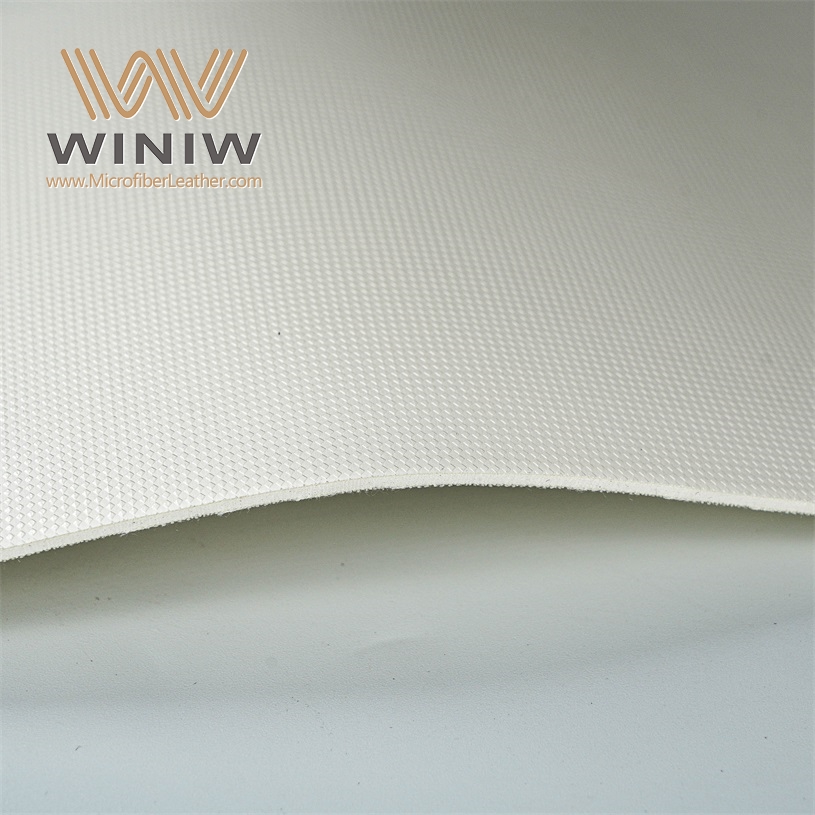
You will find that most modern footballs use synthetic leather for the outer cover. Manufacturers often choose polyurethane (PU) or polyvinyl chloride (PVC) because these materials offer durability and consistent performance. PU gives you a soft touch that closely mimics real leather, making it popular for professional play. PVC, on the other hand, provides a tougher surface that resists scratches and abrasions, which works well for recreational games.
Here is a comparison of PU and PVC synthetic leathers:
| Feature | Polyurethane (PU) | Polyvinyl Chloride (PVC) |
|---|---|---|
| Durability | Resistant to wear and tear | Highly resistant to scratches and abrasions |
| Water Resistance | Repels water effectively | Handles outdoor conditions well |
| Touch | Mimics the feel of leather | Lacks the finesse and feel of PU |
| Weight | Lighter, enhancing flight and control | Heavier weight may affect flight and control |
| Cost | More cost-effective than leather | Economical option for casual play |
| Environmental Impact | Lower ecological impact compared to PVC | Higher ecological impact due to production |
You will notice that synthetic leather footballs cost less than genuine leather options. They also perform better in wet conditions, making them ideal for training and outdoor play. If you want a ball that lasts and requires little maintenance, synthetic leather is a smart choice.
Genuine Leather (Cowhide)
Genuine leather, especially cowhide, remains the standard for professional footballs. You will experience a classic feel and superior grip when you use a leather ball. The tanning process gives the cover a premium look and long-lasting durability in dry conditions. However, leather absorbs water, which can make the ball heavier and harder to handle during rain.
Here is a quick comparison between synthetic leather footballs and genuine leather footballs:
| Feature | Synthetic Leather Football | Genuine Leather Football |
|---|---|---|
| Price | Low to moderate | High |
| Grip | Consistent, less tactile | Superior, tactile |
| Durability | High in wet conditions | High in dry conditions |
| Appearance | Modern, less classic | Classic, premium |
| Maintenance | Easy | Requires effort |
- Cowhide gives you a strong grip and a traditional playing experience.
- Synthetic leathers like PU and TPU offer better durability and weather resistance.
- Synthetic options ensure consistent performance in all conditions, making them perfect for both practice and games.
If you want a football for official matches, you will likely choose genuine leather. For everyday use, synthetic leather footballs offer a practical and affordable alternative.
Waterproofing and Panel Design
Waterproofing plays a key role in the performance of the outer cover. You will see that manufacturers use special coatings and bonding techniques to keep water out. Seamless designs and fewer seams on the football panels help reduce water absorption. This means the ball stays light and easy to control, even in wet weather.
Panel design also affects how the ball moves and feels. Traditional footballs use a 32-panel configuration with hexagons and pentagons. This design gives you a balanced shape and predictable flight. Newer balls may have fewer panels, creating a smoother surface for better grip and control.
Tip: If you play in different weather conditions, look for a football with a seamless or thermo-bonded outer cover. This design improves water resistance and ensures consistent performance.
| Panel Configuration | Description | Effects on Playability |
|---|---|---|
| Traditional 32-Panel Design | Composed of 20 hexagons and 12 pentagons, providing a nearly perfect shape. | Offers balance in aerodynamics and predictable flight path for accurate passes and shots. |
| Fewer Panels | Designs with 14, 12, or even 8 panels for smoother surfaces. | Enhances grip and control, influencing dribbling, passing, and shooting techniques. |
You will find that the right combination of football material, cover construction, and panel design gives you the best experience on the field. Whether you choose a synthetic leather football or a genuine leather option, the outer cover and football panels determine how the ball performs in every game.
What Are Footballs Made Of: Inner Components
Rubber Bladder (Synthetic)
When you look inside a football, you find the inner bladder. This part holds the air and gives the ball its shape and bounce. Manufacturers use different materials for the bladder, each with unique qualities. The most common options include latex, synthetic rubber, and butyl. You can compare their characteristics in the table below:
| Material | Characteristics | Suitability |
|---|---|---|
| Latex | Cheaper, less durable, requires frequent reinflation, higher bounce | Recreational and training football |
| Synthetic Rubber | Cheap, less durable and consistent than butyl or latex | Lower-end footballs |
| Butyl | Best quality, excellent air retention, consistent bounce | High-level matches |
You will notice that butyl bladders offer the best air retention and a consistent bounce. This makes them ideal for professional games. Latex bladders give you a lively bounce but need more frequent inflation. Synthetic rubber is common in affordable footballs, but it does not last as long as butyl. The rubber core is essential for pressure retention, which directly influences how well the ball holds air. The elasticity of the rubber affects the ball’s bounce and responsiveness during play. Synthetic rubber provides consistent performance and high resilience, which improves the overall feel of the ball.
Tip: If you want a football that stays inflated longer and feels reliable, choose one with a butyl inner bladder.
Stitching Techniques
The way manufacturers stitch the panels together plays a big role in the ball’s durability and performance. You will find two main stitching techniques: hand-sewn and machine-stitched. Here is a comparison:
| Technique | Description | Impact on Durability |
|---|---|---|
| Hand-sewn | Skilled workers sew panels together with precision. | Offers high durability due to craftsmanship. |
| Machine-stitched | Automated stitching enhances speed and consistency. | Provides consistent quality but may vary in durability. |
Hand-sewn footballs use strong seams and skilled craftsmanship. You get a ball that lasts longer and performs well in high-level competitions. However, these balls are less waterproof and cost more. Machine-stitched footballs offer uniformity and consistent quality. They are more durable in different weather conditions and require less maintenance. Double stitching increases the ball’s strength, making it more robust for tough play.
- Hand-stitched balls are preferred for professional matches because of their performance and feel.
- Machine-stitched balls are reliable for practice and recreational games. They keep their shape and resist water, so you can use them in any weather.
- Machine-stitched TPU footballs are especially durable and maintain their performance over time.
Note: If you want a football for everyday use, machine-stitched options give you durability and value. For top-level play, hand-stitched balls provide the best experience.
Lining and Backing (Polyester, Cotton, Foam)
The lining and backing sit between the outer cover and the bladder. These layers use materials like polyester, cotton, and foam. Each material adds important qualities to the football.
Polyester and cotton linings give the ball strength and help it keep its shape. Foam layers add cushioning, which improves comfort and control when you kick or catch the ball. High-quality linings distribute impact forces evenly, reducing stress on the cover and preventing wear. Foam also makes the ball feel softer and easier to handle.
| Aspect | Effect on Football |
|---|---|
| Durability | Prevents shape loss and tearing |
| Responsiveness | Enhances control and comfort during play |
| Flight Stability | Improves overall performance consistency |
| Weaving Type | Influences feel, flexibility, and durability |
You will find that the right combination of lining materials ensures the ball stays round, feels good in your hands, and responds well to your movements. The choice of polyester, cotton, and foam directly impacts how the football performs and how long it lasts. These layers also help the ball perform consistently, no matter the weather or field conditions.
- Durable linings prevent the ball from losing its shape.
- Responsive materials enhance your control and comfort.
- Consistent linings give you reliable performance every time you play.
If you want to know what are footballs made of, remember that the inner components—bladder, stitching, and lining—work together to create a ball that meets your needs, whether you play for fun or in serious matches.
How Football Balls Are Made: Innovations and Eco-Friendly Options
Modern Manufacturing Methods
You see big changes in how footballs are manufactured today. Factories use robotic arms and AI-based inspection systems to boost efficiency and quality control. You benefit from a 70% increase in production speed and more consistent footballs. Manufacturers now use hybrid processes that combine stitching with adhesives to bond panels. Thermal bonding uses heat to press and glue panels, removing the need for stitches. These methods help create a seamless cover, which improves water resistance and durability.
Recent innovations include smart balls with sensors that track your performance data. Some companies test smart materials that change properties when exposed to light or heat. You also find thermochromic and fluorescent covers that improve visibility during play.
Tip: If you want a football with a seamless cover and advanced features, look for balls made with thermal bonding and smart technology.
Recycled and Sustainable Materials
You notice a strong push toward eco-friendly materials in football production. Many footballs now use recycled polyester made from plastic bottles, which helps reduce landfill waste. Some covers contain up to 35% recycled coffee grounds and 65% recycled polyester. You see reused rubber from old shoes and tires in cleats and recycled foam in padding.
Manufacturers also create sustainable leather alternatives from plant-based materials or recycled fibers. Biodegradable footballs made from natural latex or plant-based materials decompose much faster than traditional PVC balls. This shift helps lower environmental impact while keeping performance standards high.
Note: Brands like Adidas use Parley Ocean Plastic for cleats and jerseys, showing how football gear can support sustainability.
Comparison: What Are Soccer Balls Made Of vs. Footballs
| Ball Type | Panel Construction | Cover Material | Unique Features |
|---|---|---|---|
| Soccer Ball | Stitched or thermally bonded | PU or synthetic leather | Smooth cover, high visibility |
| American Football | Stitched or bonded panels | Leather or composite materials | Textured cover, strong grip |
You find that what are soccer balls made of often includes stitched or thermally bonded panels with a PU or synthetic leather cover. American footballs use leather or composite covers with a textured surface for grip. Both types now feature recycled and sustainable materials, showing how football balls are made with the environment in mind.
You see that football material shapes how each ball performs and lasts. The table below shows how different materials affect durability:
| Material Type | Impact on Durability |
|---|---|
| Thermoplastic Polyurethane | Enhances performance and longevity of the ball |
| Leather | Varies in durability based on treatment |
| Cotton and Polyester Lining | Important for strength, structure, and bounce |
| Rubber Bladder | Essential for maintaining air pressure and shape |
Choosing the right football material depends on your needs. Genuine leather works best for professional play, while synthetic options suit casual games and wet weather. You notice brands now use recycled materials and focus on sustainability.
- Tottenham Hotspur donates old footballs to police dogs.
- Wilson develops eco-friendly products and hires sustainability leaders.
- PUMA, adidas, and Nike use recycled polyester in football kits.
You benefit from ongoing innovation and eco-friendly football material choices.

FAQ
What is the most common material for football covers today?
You find synthetic leather, like PU or PVC, as the most common material. It gives you durability, water resistance, and a consistent feel.
Why do professional footballs use genuine leather?
You get better grip and a classic feel with genuine leather. It also meets official standards for top-level games.
Can you recycle old footballs?
You can recycle some footballs if they use recyclable materials. Check for recycling symbols or contact local facilities for guidance.

