What Materials Are Used to Make Official Footballs

You see footballs in 2025 made from synthetic leather, cowhide leather, recycled polyester, polyurethane bladders, and synthetic laces. Football material choices like PU, PVC, and recycled content offer durability and grip. American footballs use cowhide leather for texture and control. Soccer balls rely on synthetic leather for flexibility. Eco-friendly options, including recycled polyester, help reduce environmental impact.
| Material | Description | Market Share |
|---|---|---|
| Synthetic Leather | Durable, flexible, cost-effective, popular for training and matches | Most widely used |
| Polyurethane (PU) | Soft, excellent grip, preferred for professional matches | High demand |
| PVC | Affordable, suitable for casual play and promotional purposes | Commonly used |
Key Takeaways
- Football materials in 2025 include synthetic leather, cowhide leather, and recycled polyester, each offering unique benefits like durability and grip.
- Choosing the right football depends on the playing surface and budget; synthetic leather is ideal for turf, while cowhide leather suits outdoor grass fields.
- Eco-friendly options, such as recycled polyester, are becoming popular, helping to reduce environmental impact while maintaining performance.
Football Material and Outer Cover
What Are Footballs Made Of?
When you ask what are footballs made of in 2025, you find that manufacturers use advanced materials to meet performance and sustainability goals. The outer shell of official footballs and soccer balls now features 100% thermoplastic polyurethane. This football material offers durability and a seamless surface. Thermally bonded construction ensures consistency and reduces weak points. You see synthetic leather, including PU and PVC, used for most soccer balls. Recycled polyester also appears in many models, supporting eco-friendly initiatives.
| Material Type | Description |
|---|---|
| Outer Shell Material | 100% thermoplastic polyurethane |
| Construction Method | Thermally bonded seamless construction |
You notice that the choice of football material depends on the playing surface, budget, and desired durability. Higher-end balls use synthetic leather for better air retention and longevity. Cheaper balls may require more frequent inflation. Prices range from $15 to $200, so you can select a ball that fits your needs.
| Factor | Description |
|---|---|
| Playing Surface | Different balls are designed for grass, turf, indoors, or street play. |
| Material & Durability | Higher-end balls use synthetic leather for better air retention; cheaper ones need more inflation. |
| Budget | Prices range from $15 to $200; mid-range balls are often best for young players. |
Manufacturers focus on quality standards by using premium synthetic leather and TPU covers. You benefit from superior weather resistance and touch sensitivity. Modern panel construction improves aerodynamics and surface consistency. Reinforced seams and precise stitching technology enhance the longevity of footballs.
Synthetic Leather vs. Real Leather
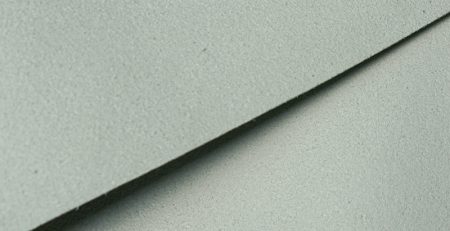
You may wonder about the differences between synthetic leather and real cowhide leather. Synthetic leather, especially PU, is abrasion-resistant and tear-resistant. It maintains surface integrity under friction and impact, which is crucial for football material. PU synthetic leather is preferred for official balls in international tournaments because it offers excellent wear resistance and a comfortable feel. PVC artificial leather is water-resistant but heavier and less responsive, making it suitable for beginners.
| Material | Durability Features | Performance Characteristics |
|---|---|---|
| PU Synthetic Leather | Abrasion-resistant, tear-resistant, breathable | Excellent wear resistance, comfortable feel, weather resistant |
| PVC Artificial Leather | Water-resistant, poor low-temperature and aging resistance | Heavier, less responsive, suitable for beginners |
| Real Cowhide Leather | Generally durable but varies with treatment | High-end feel, but may not withstand repeated use as well as PU |
You see that real cowhide leather gives a premium feel, but it may not withstand repeated use as well as PU synthetic leather. NFL footballs use cowhide leather for their outer shell, which provides a unique texture and control. Most soccer balls rely on synthetic leather for flexibility and consistent performance.
When you consider environmental impact, synthetic leather has a lower carbon footprint during production. However, it relies on non-renewable resources and poses waste management challenges. Real leather has a higher carbon footprint due to animal agriculture and the tanning process. It is biodegradable and lasts longer, which can reduce overall waste. The production of real leather consumes much more water than synthetic leather, with about 240 liters of water used per square meter for tanning.
Manufacturers ensure quality standards by engineering cover materials and using advanced stitching technology. You get footballs that meet FIFA certification and offer uniform weight distribution for predictable flight patterns.
Pebbled Texture and Grip
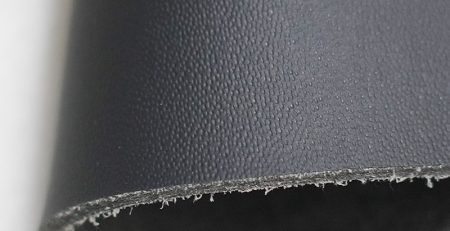
You notice that the pebbled texture on the surface of footballs plays a key role in grip and handling. The raised texture provides better finger and foot traction, allowing you to make more accurate throws, catches, and kicks. This feature becomes especially important in wet or humid conditions. The pattern helps distribute impact forces evenly, which reduces wear and increases resistance to scuffing.
| Benefit | Description |
|---|---|
| Improved Grip | The raised texture provides better finger and foot traction, allowing for more accurate throws, catches, and kicks, especially in wet or humid conditions. |
| Enhanced Durability | The pattern helps distribute impact forces evenly across the surface, reducing wear and resistance to scuffing. |
| Aerodynamic Stability | Subtle surface texture can improve airflow around the ball, contributing to more predictable flight paths during passes and shots. |
| All-Terrain Suitability | The pebbled finish maintains consistent handling across diverse playing environments, whether on grass, turf, or pavement. |
Player feedback and scientific studies show that deep pebble texture gives outstanding grip, even when wet. Raised rubber laces provide solid finger placement for accurate throws. You find that this durable football material offers superior grip in any weather condition, making it ideal for water drills and outdoor play.
Manufacturers design footballs with precise dimensions and weight distribution to meet quality standards. You experience consistent handling and predictable flight paths, whether you play on grass, turf, or pavement. The combination of advanced football material, seamless construction, and pebbled texture ensures that you get the best performance from your footballs in 2025.
Inner Layers and Construction
What Are Soccer Balls Made Of?
When you ask what are soccer balls made of, you discover that the inner layers play a huge role in performance. Manufacturers use backing materials like polyester and foam to give footballs structure and support. You find that these layers help the ball keep its shape and improve durability. The number of layers matters. A 1-ply lining offers basic shape retention, while a 4-ply lining gives greater support and long-lasting durability.
| Material Type | Characteristics | Impact on Air Retention and Shape Stability |
|---|---|---|
| Latex Bladder | Superior bounce and responsiveness | Requires frequent inflation, ideal for professional play |
| Butyl Bladder | More airtight | Provides longer air retention, suitable for training and recreational use |
| 1-Ply Lining | Minimal support and durability | Basic shape retention |
| 2-Ply Lining | Additional support | Improves shape retention and durability |
| 4-Ply Lining | Greater support | Enhances shape retention and durability significantly |
Bladders: Polyurethane and Butyl
You often wonder what are soccer balls made of inside. The bladder is the core that holds air. Most footballs use either polyurethane or butyl bladders. Polyurethane bladders give a soft touch and excellent weather resistance, which you notice in modern football. Butyl bladders provide superior air retention and require less maintenance. You see that latex bladders offer better bounce but need frequent inflation.
| Material | Air Retention | Weight | Bounce Characteristics |
|---|---|---|---|
| Butyl | Superior | Heavier | Moderate |
| Latex | Requires more | Lighter | Better |
| Feature | Polyurethane (PU) | Butyl Bladders |
|---|---|---|
| Touch | Soft touch | Less responsive compared to latex |
| Weather Resistance | Excellent weather resistance | Not specified |
| Air Retention | Not specified | Superior air retention |
| Ideal Use | Higher performance | Casual or youth play |
| Maintenance | Not specified | Low maintenance |
Stitching, Laces, and Bonding Methods
You see that football construction uses different stitching and bonding methods. Machine-stitched balls offer consistent quality and durability. Hand-stitched balls are often used for higher quality footballs. Thermo-bonded panels give a seamless finish and improve water resistance. Synthetic laces provide grip and help you control nfl football size and shape.
| Method | Description |
|---|---|
| Machine-stitched | Panels are sewn together using machines for consistent quality and durability. |
| Hand-stitched | Panels are sewn together by hand, often used for higher quality balls. |
| Thermo-bonded | Panels are glued and bonded using heat, providing a seamless finish. |
You notice that advanced football construction methods, like Modified Patch Carcass technology, enhance durability and ensure consistent performance. These techniques reduce surface tension and bonding issues, giving you predictable flight and shape stability. Modern footballs designed for hard surfaces last longer and keep their form, even after intense play. You benefit from improved air retention and reliable performance, whether you play with nfl or soccer balls.
Best Soccer Ball Materials and Innovations
Eco-Friendly and Recycled Materials
You see a major shift toward sustainability in soccer ball manufacturing in 2025. Many brands now use eco-friendly materials, such as natural rubber and recycled polyester, to create high-quality products that protect the environment. Some soccer balls even feature biodegradable components, which help reduce waste after their lifespan ends. Manufacturers use recycled materials for the outer casing and bladder, meeting strict FIFA standards while lowering the carbon footprint. About 27% of new soccer balls now include biodegradable or recycled materials. You also notice factories using recycled plastic bags and installing solar panels to cut CO2 emissions. These changes show a strong commitment to green production.
Tip: When you choose a soccer ball made with recycled or plant-based materials, you support a cleaner planet and encourage more innovation in the industry.
Performance and Durability Factors
Material innovations do not just help the environment—they also improve how the ball performs on the field. The best soccer ball materials offer a balance of grip, water resistance, and playability. The outer layer affects grip and water resistance, while the bladder material controls shape retention and responsiveness. Construction techniques, like sealed seams and reinforced layers, boost durability and performance, especially on artificial turf. You can compare different materials and their effects in the table below:
| Factor | Influence on Performance and Durability |
|---|---|
| Outer Layer | Affects grip, water resistance, and overall playability. |
| Bladder Material | Influences shape retention and responsiveness. |
| Construction Techniques | Impacts durability, aerodynamics, and water uptake. |
| Surface Texturing | Enhances grip and reduces wear on different field conditions. |
| Sealed Seams | Improves performance in wet conditions. |
| Reinforced Layers | Necessary for durability on abrasive surfaces like artificial turf. |
You benefit from these advancements with soccer balls that last longer, perform better, and have a smaller environmental footprint.
You see official footballs in 2025 made with synthetic leather, rubber, PVC, and natural leather. These materials offer durability, water resistance, and consistent performance. You select football size and dimensions based on play level, from youth football size to middle school football size. Innovations like AI and eco-innovation drive future footballs.
| Material | Key Benefits |
|---|---|
| Synthetic Leather | Durability, water resistance |
| Rubber | Affordability, resilience |
| PVC | Cost-effectiveness |
| Natural Leather | High quality |
| Innovation Type | Description |
|---|---|
| Artificial Intelligence | Enhances efficiency |
| Eco-Innovation | Sustainable solutions |

FAQ
What is the most eco-friendly material used in footballs in 2025?
You find recycled polyester as the most eco-friendly choice. Manufacturers use it to reduce waste and lower the carbon footprint of football production.
Do synthetic leather footballs perform better than real leather ones?
You get better water resistance and durability with synthetic leather. Real leather offers a premium feel but may wear out faster in wet conditions.
How do you choose the right football for your playing surface?
Tip: You select synthetic leather for turf or indoor play. You pick cowhide leather for outdoor grass fields. Always check the label for recommended surfaces.