
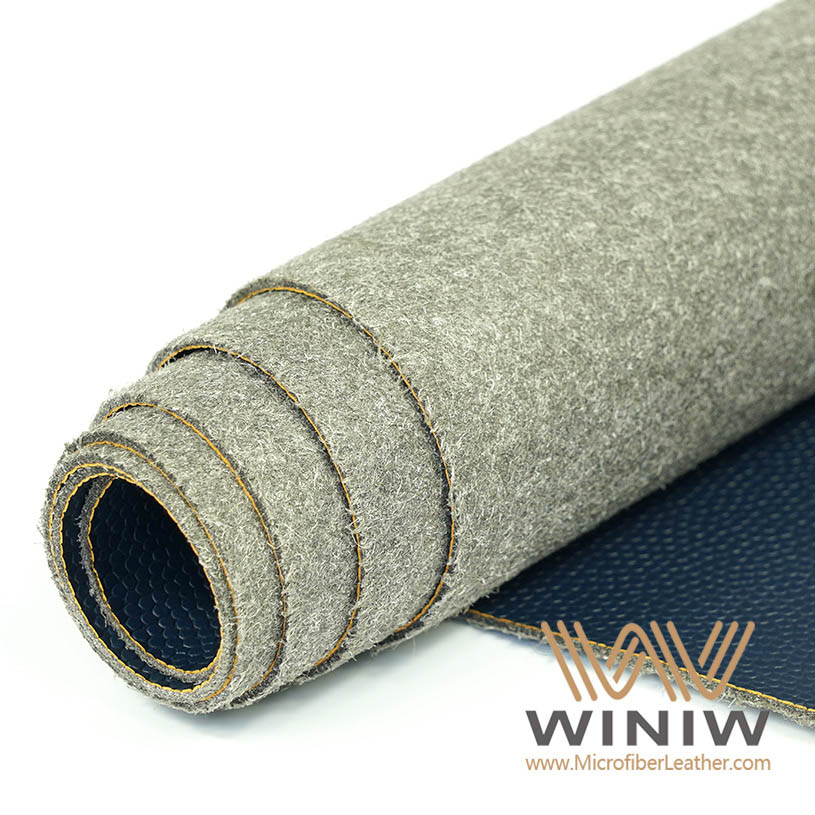
How to Choose the Best Synthetic Leather Football for You
Article

Choosing the right football involves considering size, durability, and intended use. Synthetic leather footballs make up about 55% of footballs sold globally, showing their popularity. Many players prefer these balls because they offer practical benefits:
- Largest market share among all materials
- Suitable for various skill levels
| Reason for Preference | Description |
|---|---|
| Durability | Synthetic leather withstands harsh conditions. |
| Ease of Maintenance | Easy to clean and care for. |
| Weather Suitability | Performs well in rain or sun. |
| Cost-Effectiveness | Affordable for practice and games. |
| Grip | Reliable grip for better control. |
| Focus on Skills | Lets players focus on improving skills. |
How to Choose the Best Synthetic Leather Football for You
- Synthetic leather footballs are durable and easy to maintain, making them ideal for players of all skill levels.
- Choosing the right size and type of football enhances performance and control during training and matches.
- Look for certifications like FIFA Approved to ensure quality and performance when purchasing a football.
Synthetic Leather Football Basics
What Is Synthetic Leather Football
A synthetic leather football uses advanced materials to mimic the feel and look of genuine leather. Manufacturers often choose polyurethane (PU) or polyvinyl chloride (PVC) for the outer layer. The process begins with the selection of materials, followed by covering panels and lining selection. Multiple layers of polyester or cotton provide strength and help the ball keep its shape. The assembly of the football ensures durability and consistent performance.
| Aspect | Details |
|---|---|
| Definition | Synthetic leather footballs are made of synthetic leather, typically polyurethane or polyvinyl chloride. |
| Manufacturing Process | The process involves selecting materials, covering panels, and lining selection. |
| Materials Used | Variations include AI-2000, Japanese Teijin Cordley, Microfiber, and PVC. |
| Lining | Multiple layers of polyester and/or cotton are used for strength and shape retention. |
Benefits Over Other Materials
Synthetic leather footballs offer several advantages compared to other types. They resist abrasion and tearing, which means they last longer even with frequent use. The highest quality synthetic leather football provides excellent breathability and weather resistance. Players notice that these balls maintain their shape and quality over time.
| Feature | Synthetic Leather (PU) | Genuine Leather | Foam Footballs |
|---|---|---|---|
| Abrasion Resistance | High | Moderate | Low |
| Tear Resistance | High | Moderate | Low |
| Breathability | Excellent | Good | Poor |
| Weather Resistance | Excellent | Poor | Moderate |
| Durability | High | Moderate | Low |
| Carbon Footprint | Lower | Higher | N/A |
Synthetic leather footballs also cost less than genuine leather options. Schools and recreational players often choose them for their affordability and easy maintenance. PU synthetic leather footballs deliver consistent flight patterns and touch sensitivity, making them a reliable choice for practice and games.
Synthetic Leather Football: Key Factors
Size and Usage
Selecting the correct size of football is essential for optimal performance during training and match play. Manufacturers design footballs in different sizes to suit various age groups and skill levels. Coaches and players often refer to official standards when choosing a ball for practice or competition.
| Age Group | Size |
|---|---|
| Ages 12 – 14 | Size 8 |
| Ages 9 – 12 | Size 7 |
| Ages 6 – 9 | Size 6 |
The intended use of a football also influences the recommended size and features. Training sessions require balls that emphasize durability and cost-effectiveness, while match balls focus on consistent flight and professional appearance. Recreational footballs balance fun, accessibility, and durability, often tailored to the player’s age.
| Intended Use | Characteristics |
|---|---|
| Training | Emphasizes durability, cost-effectiveness, and performance across many touches. |
| Match | Prioritizes consistent flight, optimal touch, and professional appearance. |
| Recreational | Balances fun, durability, and accessibility, often influenced by player age. |
Players should consider these key features when selecting a football for their needs. The right size and intended use ensure better control, improved grip, and enhanced performance during training or match play.
Material Quality and Durability
Material quality directly affects the durability and performance of a football. Manufacturers use several types of synthetic leather, each offering unique benefits:
- Polyurethane (PU) and polyvinyl chloride (PVC) are the most common synthetic leathers.
- High-quality microfiber synthetic leather resists scratches and abrasions, making it ideal for rough training conditions.
- Vinyl footballs may become brittle over time and need frequent replacement.
- Synthetic leather provides a natural feel and superior grip compared to vinyl.
- Breathable synthetic leather improves handling in warm conditions, while vinyl traps heat and moisture.
- Synthetic leather offers better long-term value, even though vinyl costs less initially.
Synthetic leather footballs, especially those made from PU, typically last from a few months to several years with regular use. Genuine leather footballs tend to last longer, but synthetic options require less maintenance and offer consistent performance. Modern footballs have shifted toward synthetic materials because they deliver reliable results in various environments.
Panel and Bladder Types
Panel construction and bladder type are key features that influence the performance of a football. The number and shape of panels affect the ball’s flight and touch. Bladder type determines air retention, durability, and responsiveness.
| Bladder Type | Air Retention | Durability | Feel & Responsiveness | Best Application |
|---|---|---|---|---|
| Rubber | Good | Excellent | Fair | Youth leagues, outdoor training, schools |
| Latex | Excellent (short-term) | Fair | Excellent | Professional games, indoor play |
| Butyl | Excellent (long-term) | Very Good | Good | Collegiate, competitive, all-weather use |
| Hybrid | Outstanding | Excellent | Excellent | Tournament play, elite athletes |
Players in youth leagues often use footballs with rubber bladders for training because they offer excellent durability. Professional matches may require latex or hybrid bladders for superior responsiveness and performance. Butyl bladders provide long-term air retention, making them suitable for competitive and all-weather play.
Weather Resistance and Cleaning
Weather resistance is a critical factor for football performance, especially during outdoor training and match play. Synthetic leather footballs feature special coatings that repel water, making them more resistant to absorption than genuine leather balls. Genuine leather absorbs water quickly, leading to stretching and mold, while synthetic materials dry faster and maintain their shape.
| Feature | Description |
|---|---|
| Water and Weather Resistance | Ability to withstand water, moisture, and varying climate conditions. |
| Grip Properties | Exceptional grip, crucial for maintaining control in challenging conditions. |
| Surface Texture | Optimal balance between tackiness and friction for secure handling. |
High-quality hybrid footballs undergo a sealing process for superior water resistance. These balls maintain peak performance even in heavy rain or intense heat. Synthetic covers perform well in adverse weather, making them ideal for backyard play and recreational training.
Tip: Synthetic leather footballs require less maintenance than natural leather balls. Cleaning is simple—wipe the surface with a damp cloth after use. Synthetic leather resists water and wear, so players spend less time caring for the ball and more time improving their skills.
Price and Value
Affordability remains a key feature for many players and coaches. Synthetic leather footballs are generally less expensive than genuine leather options, making them accessible for training, match, and recreational use. The average price range for synthetic leather footballs in the current market is shown below.
| Price (USD) |
|---|
| 28.18 |
| 27.79 |
| 27.41 |
| 26.54 |
| 25.96 |
| 24.99 |
| 24.47 |
| 23.98 |
| 17.48 |
Players should look for certifications and quality standards when purchasing a football. FIFA Approved and NFHS standards guarantee that the ball meets rigorous testing for performance, size, and weight.
| Certification/Standard | Description |
|---|---|
| FIFA Approved | The most prestigious certification, ensuring the ball meets rigorous testing for size, weight, and other performance criteria. |
| NFHS | Sets standards for high school soccer balls in the United States. |
| Other Standards | May include certifications from specific leagues or associations relevant to the target market. |
Environmental Impact
Synthetic leather footballs offer environmental advantages over genuine leather. Manufacturers use recycling and waste management systems to reduce their impact. Synthetic leather production conserves animal resources and reduces livestock-related environmental effects. The durability of synthetic leather footballs leads to less frequent replacements and reduced waste.
Maintenance Requirements
Synthetic leather footballs require less maintenance than natural leather balls. Synthetic covers resist water and wear, making cleaning easier. Natural leather needs regular care to avoid drying and cracking, while synthetic leather maintains its shape even when wet.
Note: Players who want a football that performs well in all conditions and requires minimal upkeep should consider synthetic leather options for training and match play.
Match the Football to Your Needs
Age and Skill Level
Selecting the right ball for a match depends on the age and skill level of the player. Manufacturers design footballs in different sizes to suit specific age groups and abilities. Coaches and parents often refer to official guidelines to ensure players use the correct ball during outdoor training and matches.
- Size plays a crucial role. Size 5 suits players aged 13 and older, Size 4 fits ages 8 to 12, and Size 3 works best for those under 8.
- Material selection matters. Synthetic leather offers durability and moisture resistance, making it ideal for outdoor match football and practice.
- Purpose and playing surface influence the choice. Training, recreational play, and professional-grade match balls each require different features.
Choosing the right size ensures better control, comfort, and performance on the field. Consider the age and skill level of the players before making your selection.
Coaches recommend specific models for youth and beginner players. The table below lists popular options for different age groups:
| Age Group | Model Name | Link |
|---|---|---|
| 9 – 12 | Wilson TDJ Leather Game Youth Football | Wilson TDJ Leather Game Youth Football |
| 6 – 9 | Wilson K2 Pee Wee Leather Game Football | Wilson K2 Pee Wee Leather Game Football |
Players who use the correct size and model experience improved grip and ball control during outdoor matches. Coaches notice better skill development when players train with footballs matched to their age and ability.
Playing Surface
The type of playing surface affects the performance and safety of synthetic leather footballs. Outdoor fields vary, including natural grass, artificial turf, and indoor courts. Each surface presents unique challenges for players during a match.
- The playing surface influences traction, comfort, and ball performance.
- Different surfaces require specific footwear to enhance safety and effectiveness.
- AG soccer cleats work best on artificial grass, providing traction and comfort for optimal performance.
The table below compares features of footballs used on natural grass and artificial turf:
| Aspect | Natural Football Grass | Artificial Football Turf |
|---|---|---|
| Surface Consistency | Sometimes uneven due to weather and wear, increasing risk of falls | Stable and uniform surface reduces slips, trips, and falls |
| Traction | Generally good, but wet grass can be slippery | Good traction from infill material enhances safety |
| Injury Risk | Softer surface reduces impact on joints and muscles | Higher incidence of turf burns and abrasions |
| Heat Retention | Does not retain heat, cooler and more comfortable | Can become very hot in sunlight; GrassCool system available |
Players who compete on outdoor grass fields benefit from footballs with softer covers and enhanced grip. Those who play on artificial turf need balls with abrasion-resistant synthetic leather to withstand rougher surfaces. Indoor matches require footballs with smooth panels for consistent bounce and control.
How to Buy a Football
Buying a football for a match or training session involves several important steps. Coaches and parents should follow a process to ensure they select the right ball for their needs.
- Material selection comes first. Choose synthetic leather for durability and moisture resistance. Multi-layered lining and butyl bladder help the ball retain its shape.
- Sizing matters. Select the appropriate size based on the player’s age group:
- Pee Wee Footballs: Ages 6-9
- Junior Footballs: Ages 9-12
- Youth Footballs: Ages 12-14
- Official Footballs: Ages 14 and older
- Check certifications. Look for FIFA Approved or NFHS standards to guarantee quality and performance.
- Compare options. Review product descriptions and specifications for each football.
- Read customer reviews and ratings. Positive feedback from other buyers helps identify high-quality footballs.
- Happy Customer!
- “I am always pleased with my purchase. The product is awesome and my representative Juanita Zamora has been wonderful to work with!”
- By Angela, Lebanon, VA
Players who follow these steps find it easier to buy a football that matches their level and style of play. Coaches and parents who check reviews and certifications make informed decisions for outdoor matches and training. The right ball enhances performance and enjoyment on the field.
Tip: Always match the football to the player’s age, skill, and playing environment. This approach ensures safety, comfort, and optimal performance during every outdoor match.
Players should review essential factors before buying a synthetic leather football. The table below highlights important considerations:
| Factor | Description |
|---|---|
| Playing Environment | Consider where you play (indoor, outdoor, turf) as it affects ball performance. |
| Weather Conditions | Synthetic leather performs well in wet conditions, while genuine leather is better for dry fields. |
| Frequency of Use | Synthetic balls are durable for daily training; leather is better for occasional use. |
| Budget | Synthetic options are generally more affordable, providing good value. |
| Skill Level | Beginners benefit from synthetic balls; professionals may prefer the feel of genuine leather. |
Many buyers make mistakes when selecting a football:
- Focusing on the wrong priorities, such as fit and surface compatibility.
- Buying shoes that are too tight, expecting them to stretch out.
- Believing one cleat style is suitable for all surfaces, leading to slips and injuries.
- Chasing brand trends instead of prioritizing performance and fit.
Players who consider their needs, usage, and key features can confidently choose a football that matches their requirements.

FAQ
What is the best way to clean a synthetic leather football?
Players should wipe the ball with a damp cloth. Mild soap removes dirt. Avoid soaking the ball in water.
How long does a synthetic leather football usually last?
A high-quality synthetic leather football lasts from several months to a few years. Durability depends on frequency of use and playing conditions.
Can synthetic leather footballs be used in wet weather?
Synthetic leather footballs resist water. They maintain shape and grip during rain. Players prefer them for outdoor matches in wet conditions.

