
What You Need to Know About Synthetic Leather Footballs

A synthetic leather football uses advanced materials to mimic the look and feel of real leather. You benefit from cost savings and ethical production.
- Market share has risen due to affordability and ethical choices.
- Global sales reach $1.5 billion each year, with 5% annual growth.
What You Need to Know About Synthetic Leather Footballs
- Synthetic leather footballs offer cost savings and ethical production, making them a popular choice for schools and recreational players.
- Choose footballs with PU or microfiber covers for better performance, while PVC covers are ideal for training due to their affordability and durability.
- Regular care, such as cleaning and conditioning, extends the lifespan of your football and ensures consistent performance in all weather conditions.
Synthetic Leather Football Materials
Types of Synthetic Materials
When you choose a synthetic leather football, you encounter several types of materials that make up the cover. Each material brings unique qualities to the football and affects how you play.
- Polyurethane (PU): You find PU in high-end match balls. It gives the cover a soft touch and strong water resistance.
- Polyvinyl Chloride (PVC): PVC is common in training balls. It makes the cover more affordable, but you notice it feels less responsive than PU.
- Microfiber: Some footballs use microfiber in the cover. This material adds flexibility and a smooth texture.
- Recycled Polymers: Manufacturers now explore recycled options, such as recycled polyester, to create eco-friendly covers.
Tip: If you want a football that balances performance and cost, look for PU or microfiber covers. For practice sessions, PVC covers offer durability at a lower price.
Properties and Benefits
You might wonder how these materials compare and why they matter for your game. The table below shows the differences in flexibility, weight, and water resistance for the most common cover materials:
| Material | Flexibility | Weight | Water Resistance |
|---|---|---|---|
| PU | Better flexibility, low-temperature flexibility | Lower weight | Prized for waterproofing, but slightly vulnerable to puncture |
| PVC | Less flexible, forms a rigid barrier | Heavier | Superior waterproofing and abrasion resistance, acts as a near-impenetrable barrier |
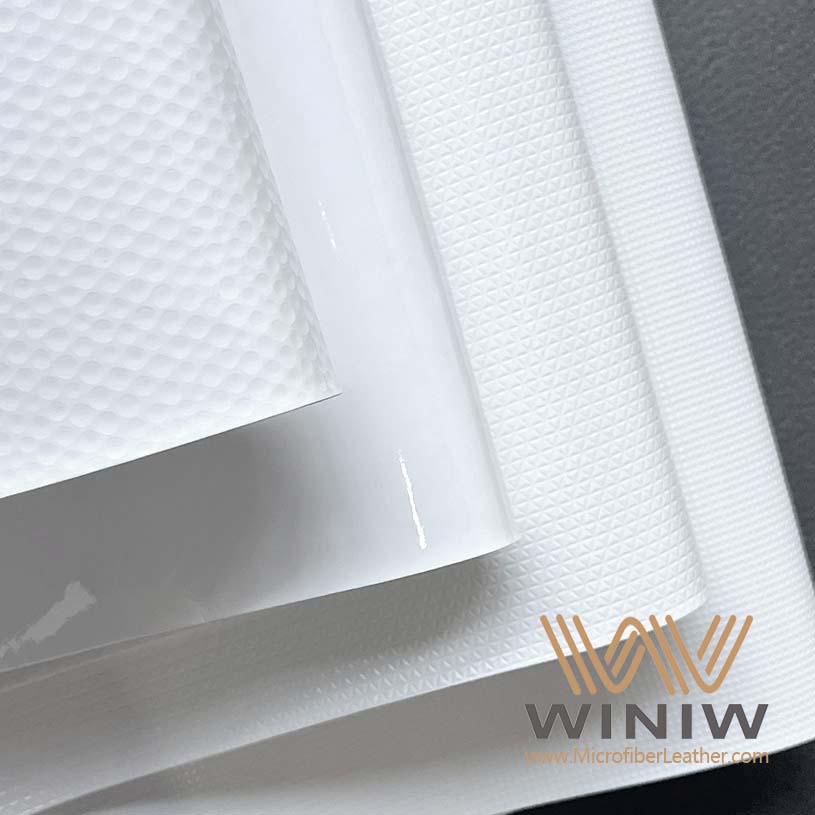
Synthetic leather football covers are designed to mimic the look and feel of natural leather. You notice the surface has a bumpy texture, which improves grip and control. The engineered cover helps you handle the football with confidence, even in wet conditions.
You also benefit from the ethical advantages of synthetic covers. The production process avoids animal hides, making synthetic leather footballs a more responsible choice. However, you should know that manufacturing synthetic covers can involve chemicals that impact the environment if not managed properly. Genuine leather footballs face their own challenges, such as pollution from tanning and the effects of livestock farming.
Manufacturers continue to innovate. You see new covers made from recycled plastics and biodegradable materials. Some companies even develop smart covers that adapt to temperature or pressure, improving your playing experience and reducing environmental impact.
Making Synthetic Leather Footballs
Panel Construction and Stitching
When you examine a synthetic leather football, you notice the panels that form its outer shell. Manufacturers use several methods to assemble these panels, each affecting the ball’s performance and durability. Most high-quality footballs feature a 32-panel design, combining 20 hexagons and 12 pentagons. This classic configuration helps the ball maintain a true spherical shape and consistent flight.
You find different panel joining techniques:
| Method | Description | Quality Level |
|---|---|---|
| Stitched | Panels are sewn together using polyester thread, providing strong seams. | High-end and mid-priced |
| Glued | Panels are glued together, resulting in a harder feel and lower cost. | Lower-end |
| Thermally Molded | Panels are bonded using heat, reducing water absorption. | Varies |
| Ultra Sonic Bonded | Panels are welded together using ultrasonic technology for durability. | High-end |
Hand-stitched balls use tight stitching to prevent water from entering the seams. You get better durability and longer lifespan. Machine-stitched balls offer good quality at a lower price, but they may let in more water over time. Lower-end footballs often use glued panels, which feel harder and may not last as long. Some modern designs use thermal bonding, which eliminates stitches and creates a smooth surface for improved aerodynamics.
Note: The stitching method and number of panels influence how the football behaves during play. Hand-stitched balls last longer and resist water better, while thermal-bonded balls provide a smoother touch but may wear out faster.
Adhesive and Bonding Methods
You see adhesives play a crucial role in holding the panels together. Manufacturers select adhesives based on the type of synthetic leather football and the desired performance. The most common adhesives include hot melt, dispersion, and powdered types.
| Type of Adhesive | Description |
|---|---|
| Hot Melt Adhesives | Used for laminating and coating textiles, providing strong bonds. |
| Dispersion Adhesives | Effective for bonding synthetic materials, allowing flexibility and durability. |
| Powdered Adhesives | Commonly used in textile applications, ensuring a secure bond. |
Thermal bonding uses heat to fuse the panels, which helps the football absorb less water. This method keeps the ball’s weight stable in wet conditions. Some covers receive water-repellent treatments, maintaining grip and color even after repeated use. You benefit from enhanced grip and consistent performance, especially when playing in rain or on damp fields.
Tip: Adhesive quality and bonding methods directly affect water resistance and durability. A well-bonded football keeps its shape and feel longer, even with frequent use.
Inner Structure
Inside every synthetic leather football, you find layers that determine bounce, air retention, and overall feel. The inner lining usually combines cotton and polyester. Cotton adds softness, while polyester increases durability and responsiveness. These layers support the outer cover and help the ball rebound correctly.
The bladder sits at the core of the football. You encounter two main types:
| Component | Material | Characteristics |
|---|---|---|
| Bladder | Butyl | Superior air retention, heavier |
| Latex | Lighter feel, better bounce, requires frequent inflation | |
| Lining | Textile materials | Adds flexibility and durability, affects weight and rebound characteristics |
A butyl bladder keeps the football inflated for longer periods, making it ideal for regular play. Latex bladders offer a lighter touch and better bounce, but you need to inflate them more often. The quality of the bladder influences how the football responds to kicks and passes.
Note: The inner structure, including the lining and bladder, shapes the football’s bounce and air retention. A well-made synthetic leather football gives you reliable performance across different weather conditions.
Manufacturers test materials and construction at every stage. You benefit from strict quality control, which checks the casing, backing, and bladder for strength and consistency. Final inspections confirm the football’s appearance, size, weight, bounce, and air retention before it reaches you.
If defects occur, such as loose stitches or poor bonding, manufacturers address them by sourcing better materials, calibrating machines, and improving operator training. These steps ensure you receive a football that meets high standards for play and durability.
Football Comparison and Care
Synthetic vs. Genuine Leather
When you compare a synthetic leather football to a genuine leather football, you notice differences in cost, feel, and maintenance. Synthetic options are usually more affordable. You see schools and recreational players choose them because the materials and manufacturing process cost less. Genuine leather footballs cost more due to premium leather and labor-intensive production. If you want a football for regular practice or matches, synthetic leather offers a practical solution.
| Feature | Synthetic Leather | Genuine Leather |
|---|---|---|
| Durability | Abrasion resistant | Biodegradable, lasts longer |
| Maintenance | Easy to clean | Requires care |
| Weather Use | Suitable for all conditions | Best for dry fields |
You find that synthetic leather footballs maintain their shape and grip in wet conditions. The cover does not absorb water, so the football stays light and easy to handle. You get consistent performance without special care.
Performance and Durability
You experience reliable grip and control with a synthetic leather football. The cover provides a textured surface, which helps you catch and pass with confidence. Coaches and players favor synthetic footballs for their durability and weather resistance. You can use them outdoors in rain or sun, and they keep performing well.
Field tests show that synthetic leather footballs resist water and maintain weight during play. You see clubs and schools save money over time because these footballs last longer and need fewer replacements. If you play in official matches, you benefit from high-quality covers that meet strict standards for durability and inflation retention.
Care Tips
To keep your football in top condition, follow these steps:
- Wipe down the cover after every game to remove sweat and dirt.
- Condition the football every 2-3 months to maintain flexibility.
- Store the football in a dry place to prevent mold and damage.
Avoid leaving your football in direct sunlight or extreme cold. Sunlight can dry out the cover and cause cracks. Low temperatures make the football rigid and harder to control. By caring for your football, you extend its lifespan and enjoy better performance.
You gain many benefits from synthetic leather footballs. The table below highlights key advantages:
| Advantage | Synthetic Leather Footballs | Genuine Leather Footballs |
|---|---|---|
| Durability | Waterproof, abrasion-resistant | Can absorb water |
| Cost-Effectiveness | Affordable for schools and training | More expensive |
| Maintenance | Easy to care for | Needs more upkeep |
When you select a football, consider these factors:
- Playing surface
- Skill level
- Ball size
- Material type
- Bladder type
Synthetic leather footballs suit most players, especially if you want durability, easy care, and reliable performance in any weather.

FAQ
What makes synthetic leather footballs suitable for wet conditions?
You get waterproof covers that resist water absorption. The ball stays light and easy to handle, even during rainy games.
How do you clean a synthetic leather football?
You wipe the ball with a damp cloth. Avoid harsh chemicals. Let it air dry in a cool, shaded area.
Can you use synthetic leather footballs for official matches?
You can use high-quality synthetic leather footballs in official matches. Many leagues approve them for their durability and consistent performance.


