Safety Shoe Construction: Materials and Their Protective Qualities

You rely on safety shoes to keep your feet protected every day. The primary materials used in safety shoes include leather, composite materials, steel, aluminum, and microfiber. Each safety shoes material offers unique benefits: steel toe caps deliver the strongest protection, while composite options stay light and non-conductive. Leather dominates the market for durability, and mesh linings improve comfort. Many believe breathable safety footwear lacks durability, but modern safety shoe materials combine breathability with lasting protection.
Safety Shoe Construction: Materials and Their Protective Qualities
- Choose safety shoes with steel toe caps for maximum protection against heavy impacts and compression.
- Opt for composite toe caps if you need lightweight, non-conductive shoes suitable for electrical work.
- Select full-grain leather for durability and water resistance, or microfiber for lightweight comfort and easy cleaning.
Key Safety Shoes Material and Their Roles
| Component | Key Materials | Primary Function |
|---|---|---|
| Toe Cap | Steel, Aluminum, Composites (Carbon Fiber, Kevlar) | Protects against impact and compression |
| Upper | Full-grain Leather, Nubuck, Microfibre, Synthetics (PVC, Textiles) | Provides durability, support, and environmental resistance |
| Outsole | Rubber, Polyurethane (PU), EVA | Ensures grip, stability, and abrasion/slip resistance |
| Midsole/Insole | Steel, Kevlar, Wool, Leather, PU, EVA | Offers puncture resistance, comfort, and support |
Steel Toe Cap Safety Boots: Strength and Protection
You find steel toe cap safety boots in many workplaces because they offer unmatched strength and protection. Steel toe caps provide the highest level of impact resistance, meeting strict standards for compression and force. These boots protect your toes from falling objects and heavy machinery. Steel toe cap safety boots also resist deformation under stress, which means your feet stay safe even in tough conditions.
However, steel toe cap safety boots feel heavier than other types of safety boots. They can transfer cold, which may make your feet uncomfortable in low temperatures. Steel toe cap safety boots also set off metal detectors and conduct electricity, so they are not suitable for electrical work. In rare cases, extreme compression can cause the steel to trap or injure your toes. Despite these trade-offs, steel toe cap safety boots remain a top choice for maximum protection and durability.
Tip: Always check if your workplace requires steel toe cap safety boots to meet specific standards for impact resistance and puncture resistance.
Composite Toe Caps: Lightweight and Non-Conductive
Composite toe caps use advanced materials like carbon fiber, Kevlar, or fiberglass. These safety shoes material options offer reliable protection while staying much lighter than steel. Composite toe caps are about 30% lighter than steel, which helps reduce foot fatigue during long shifts. You benefit from their non-conductive properties, making them ideal for electrical environments. Composite toe caps do not set off metal detectors and do not transfer cold, so your feet stay comfortable in various conditions.
Composite toe caps meet the same standards for impact resistance and puncture resistance as steel, but they require a larger volume to achieve similar strength. This can affect the design and look of the shoe. While composite toe caps perform well in standardized tests, they may deform more under high loads compared to steel. Still, you get a strong balance of protection, comfort, and versatility with composite toe caps.
Leather and Microfiber Uppers: Durability and Comfort
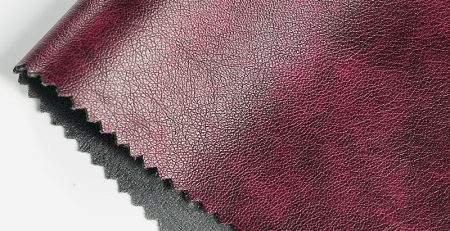
The shoe upper plays a crucial role in durability and comfort. Full-grain leather stands out as an abrasion-resistant material with natural resistance to liquids. Leather offers a long lifespan, especially under lighter use, and provides a classic look. You benefit from its water-repellent material properties, which help keep your feet dry in wet environments. Leather also delivers good breathability and comfort, making it a popular safety shoes material.
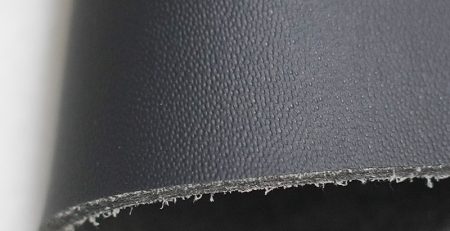
Microfibre uppers have become more common due to their superior mechanical properties and lightweight feel. Microfibre resists abrasion and holds up well in tough conditions. It also serves as a breathable material, helping to manage moisture and heat. However, microfibre does not match leather in terms of moisture transmission and absorption, which can affect comfort during long wear. Microfibre excels in hygiene and durability, making it a smart choice for demanding workplaces. You may notice that microfibre safety shoes material lasts longer under heavy use, and it often costs less than leather.
Note: Microfibre safety shoes material is ideal if you need an abrasion-resistant material that is lightweight and easy to clean.
Outsole Materials: Rubber, PU, and EVA
Outsoles determine how well your safety shoes grip the ground and resist wear. Rubber outsoles provide excellent traction and slip resistance, making them suitable for oily or wet surfaces. Rubber is also an abrasion-resistant material, which means your shoes last longer in harsh environments. Polyurethane (PU) outsoles offer a balance of durability, flexibility, and shock absorption. PU resists chemicals and oil, so you can use these shoes in industrial settings.
EVA (Ethylene Vinyl Acetate) outsoles stand out for their lightweight and cushioning comfort. EVA provides superior grip and flexibility, which helps prevent slips and falls. You will appreciate EVA outsoles if you spend long hours standing or walking. Each outsole material meets specific standards for slip resistance and durability, so you can choose the right one for your job.
Linings and Insoles: Breathability and Cushioning
Linings and insoles affect how comfortable and dry your feet feel throughout the day. Synthetic textiles, mesh fabric, and polyester linings wick moisture away and allow air to circulate. These materials help keep your feet cool and dry, even during intense activity. Leather linings add durability but do not dry as quickly as synthetic options.
Insoles made from PU foam, EVA, or open-cell polyurethane foam provide cushioning comfort and support. PU foam insoles offer long-lasting support and hold their shape under pressure. EVA insoles are soft and flexible, delivering excellent shock absorption, but they may compress over time. Open-cell polyurethane foam excels in breathability and moisture control, which reduces fatigue and keeps your feet comfortable. Some insoles use memory foam, gel, or cork to enhance support and fit.
Quick Fact: Insoles with arch support and moisture control help prevent foot pain and fatigue, especially if you work long hours on your feet.
You should always look for safety shoes material that meets the latest standards for protection, comfort, and durability. Manufacturers continue to improve safety shoes by using innovative materials and designs. This ensures you get the best properties and benefits for your specific work environment.
Choosing Safety Shoe Materials for Your Work Environment
Matching Materials to Hazards and Jobs
You need to match the right safety footwear to your work hazards. Different materials offer unique properties and benefits. For example, steel toe caps give maximum protection against impact, while composite toe caps work best for electrical jobs because they do not conduct electricity. Microfibre uppers provide lightweight comfort and resist abrasion. Full-grain leather offers natural resistance to liquids and lasts long with proper care. Outsoles made from rubber or polyurethane help prevent slips and absorb shock. The table below shows how common materials fit different hazards:
| Material Type | Application | Key Features |
|---|---|---|
| Steel | Toe Caps | Maximum strength, conducts heat and cold |
| Composite | Toe Caps | Lightweight, non-conductive |
| Full-grain Leather | Uppers | Durable, molds to foot, natural resistance to liquids |
| Microfibre | Uppers | Lightweight, abrasion-resistant, easy to clean |
| Rubber | Outsoles | Slip and heat resistance |
| Polyurethane | Outsoles | Lightweight, shock-absorbing |
| Kevlar | Midsoles | Puncture resistance, flexible |
| EVA | Outsoles | Cushioning, less durable |
Tip: Always check safety standards like ASTM and OSHA. These standards help you choose safety shoes with the right protection, puncture resistance, and electrical hazard ratings.
Trade-Offs: Protection, Comfort, and Cost
You must balance protection, comfort, and cost. Steel toe caps cost less but feel heavier. Composite toe caps cost more due to advanced materials but offer better comfort for long shifts. Microfibre shoes are easy to clean and affordable, but may not last as long as leather. Light-duty safety footwear reduces fatigue, while heavy-duty shoes increase heart rate and discomfort. The table below compares toe cap costs:
| Type of Toe Cap | Cost Comparison |
|---|---|
| Composite Toe Caps | More expensive, advanced materials |
| Steel Toe Caps | More affordable, traditional choice |
Quick Guide: Selecting the Right Safety Shoes
- Choose steel toe caps for construction or heavy industry.
- Pick composite toe caps and microfibre uppers for electrical or light-duty jobs.
- Select full-grain leather for durability and natural resistance to liquids.
- Use rubber or polyurethane outsoles for slip resistance and shock absorption.
- Always check safety standards for required protection and puncture resistance.
You should always match the properties of your safety footwear to your job’s hazards. This ensures you get the best protection, comfort, and durability.
You gain protection, comfort, and durability when you choose the right safety shoes for your job. The table below shows how different materials address specific hazards:
| Material Type | Protection Features |
|---|---|
| Puncture-Resistant | Blocks sharp objects |
| Slip-Resistant | Improves traction |
| Waterproof | Keeps feet dry |
| Insulated | Retains warmth |
Selecting safety shoes that match your work environment reduces injuries and improves well-being. Always consider your workplace hazards and material needs.

FAQ
What is the best material for safety shoe uppers?
You get the best durability from full-grain leather. Microfiber offers lightweight comfort and easy cleaning. Choose based on your work environment and personal preference.
Are composite toe caps as safe as steel toe caps?
You receive equal protection from composite and steel toe caps. Both meet safety standards for impact and compression. Composite toe caps do not conduct electricity.
How do I know if my safety shoes are slip-resistant?
- Look for slip-resistance symbols or ratings on the shoe label.
- You can check the outsole pattern. Deep treads usually improve grip on slippery surfaces.