The essential materials found in safety shoes

You encounter a range of materials in safety shoes, including leather, microfiber, steel, aluminum, composite, polycarbonate, rubber, polyurethane, EVA, PVC, TPU, and textiles. Manufacturers select each safety shoes material for its unique benefits. The table below highlights how the choice of materials supports protection, comfort, and durability in safety footwear.
| Component | Material Options | Key Benefits |
|---|---|---|
| Upper | leather, microfiber, textiles | Durability, breathability, water resistance |
| Toe Cap | steel, aluminum, polycarbonate, composite | Impact protection, lightweight |
| Outsole | polyurethane, rubber | Grip, resistance to wear |
The essential materials found in safety shoes
- Choose safety shoes with quality upper materials like leather or microfiber for durability and comfort.
- Select toe caps based on your work environment; steel offers maximum protection, while composite and polycarbonate are lighter and non-conductive.
- Always verify safety standards like ASTM F2413 to ensure your safety shoes provide the necessary protection for your job.
Safety Shoes Material Breakdown
Leather and Microfiber Uppers
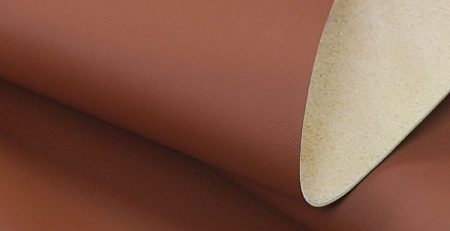
When you look at the upper material of safety shoes, you often find leather and microfibre as the top choices. Leather stands out as a classic safety shoes material because it offers durability, flexibility, and a high level of protection. Full-grain leather, in particular, resists abrasion and keeps your feet safe from sharp objects and impacts. This raw material also acts as a water-repellent material, helping you stay dry in wet conditions. Leather provides a breathable material that allows air to circulate, which helps maintain comfort during long work shifts.
Microfibre has become a popular alternative to traditional leather in safety footwear. This material mimics the look and feel of leather but weighs less and dries faster. Microfibre is a sustainable choice of materials because it uses fewer raw materials and avoids harmful chemicals found in PVC leather. Many manufacturers use water-based coatings on microfibre, which reduces the environmental impact and lowers the carbon footprint of shoe production. Microfibre synthetic leather also offers excellent abrasion resistance and water repellency, making it a reliable upper material for many types of safety boots.
You should consider the quality of the upper material when choosing safety shoes. Leather and microfibre both provide strong protection, but microfibre stands out for its eco-friendly properties and lightweight feel. The choice of materials for the upper affects the durability, breathability, and overall performance of your safety footwear.
Tip: Microfibre synthetic leather is often free from harmful chemicals like PVC and phthalates, making it safer for both you and the environment.
Synthetic Fabrics in Safety Footwear
Synthetic fabrics play a key role in modern safety shoes. These materials used in safety shoes often line the inside or form part of the upper, providing extra comfort and moisture control. Synthetic fabrics excel at moisture wicking, which means they pull sweat away from your skin and help it evaporate quickly. This feature keeps your feet dry and comfortable, even during intense activities.
- Synthetic fabrics in safety shoes are designed with moisture-wicking liners that effectively pull sweat away from the skin.
- These materials dry quickly, which helps in maintaining comfort during use.
- The quick-drying properties also prevent bacterial growth, offering a significant advantage over natural materials.
- Advanced moisture-wicking materials in Xtr-Flex shoes evaporate sweat quickly, enhancing comfort during intense activities.
- This technology ensures that feet remain dry, which is crucial for preventing microbial growth.
Synthetic fabrics also add to the cushioning comfort of safety footwear. They often work with padding and linings to create a soft, supportive fit. When you choose safety shoes with high-quality synthetic fabrics, you benefit from a breathable material that helps prevent odor and keeps your feet healthy. The choice of materials for linings and padding can make a big difference in how comfortable your work boots feel after hours on the job.
Toe Caps: Steel, Aluminum, Composite, Polycarbonate
Toe caps are one of the most important components of a safety shoe. They protect your toes from falling objects and compression. The main safety shoes material options for toe caps include steel, aluminum, composite, and polycarbonate. Each material meets strict safety standards and offers unique benefits.
| Material | Standard | Impact Energy Requirement |
|---|---|---|
| Steel | EN ISO 20345 | 200 J |
| Aluminum | EN ISO 20345 | 200 J |
| Composite | EN ISO 20346 | 100 J |
| Polycarbonate | EN ISO 20346 | 100 J |
Steel toe cap safety boots remain the industry standard for impact and compression protection. Steel offers unmatched strength and meets the highest safety specifications. However, steel toe caps are heavier and can transfer cold temperatures to your feet, which may affect comfort in cold environments.
Aluminum toe caps provide similar protection to steel but weigh less. This makes them a good choice of materials for those who want lighter safety footwear without sacrificing safety standards. Composite and polycarbonate toe caps are even lighter. Composite toe caps use advanced raw materials like fiberglass, carbon fiber, or Kevlar. Polycarbonate is a tough plastic that resists impact and does not conduct electricity. Both composite and polycarbonate toe caps meet international safety standards, though they have a lower impact energy requirement than steel or aluminum.
- Steel toe caps are generally heavier and can transfer cold temperatures to the feet.
- Composite toe caps are slightly lighter than steel toe caps, though the difference is minimal.
All safety toe footwear sold in the US must comply with the ASTM F2413 standard, which outlines the impact and compression performance requirements for various toe cap materials, including steel, aluminum, composite, and polycarbonate. When you select steel toe cap safety boots, you ensure your footwear meets strict safety standards for protection.
The choice of materials for toe caps affects not only the weight and comfort of your safety shoes but also their suitability for different work environments. For example, composite and polycarbonate toe caps do not conduct electricity, making them ideal for electrical work. Steel and aluminum toe caps offer maximum protection against heavy impacts, which is essential in construction and heavy industry.
Note: Always check that your safety shoes meet the required safety standards and safety specifications for your job. The right choice of materials in toe caps can prevent serious injuries and ensure compliance with workplace regulations.
Common Material Failures in Safety Footwear
Selecting the right safety shoes material is crucial for your protection and the durability of your footwear. Poor quality raw materials or improper marking can lead to failures in key areas. The table below highlights some common material failures and their causes:
| Common Material Failures | Causes |
|---|---|
| Impact resistance | Manufacturers may falsely mark safety shoes or use unqualified protective toecaps, leading to insufficient protection. |
| Pressure resistance | Similar to impact resistance, improper marking and cost-cutting measures can result in inadequate protection against crushing. |
| Antistatic performance | False labeling and the use of poor materials can lead to unqualified anti-static properties, posing fire risks. |
| Electrical insulation | Mislabeling and the use of inadequate materials can result in a lack of electrical insulation, increasing electric shock risks. |
| Puncture resistance | Inadequate materials and false labeling can lead to insufficient protection against sharp objects. |
| Outsole tear strength | Poor production processes and material choices can reduce tear strength, leading to rapid damage. |
| Outsole abrasion resistance | Cost-cutting measures can lead to the use of inferior materials, resulting in quick wear and safety risks. |
| Upper stretch performance | Low tensile strength due to poor material choices can lead to damage during use. |
When you choose safety shoes, always pay attention to the components of a safety shoe and the quality of the safety shoes material. The right choice of materials ensures your safety footwear delivers the protection, comfort, and durability you need for any job.
Safety Shoe Materials for Soles and Linings
Outsole Materials: Rubber, PU, EVA, PVC, TPU
You rely on the outsole for grip, stability, and long-lasting protection in safety shoes. Manufacturers use raw materials like rubber, polyurethane (PU), EVA, PVC, and TPU to create outsoles that meet strict slip resistance and durability standards. Rubber stands out for its flexibility and safety features, making it a top choice for steel toe cap safety boots and work boots. PU outsoles feel lightweight and comfortable but may wear out faster in high-friction environments. TPU offers high heat resistance and suits mass production.
| Material | Durability | Lifespan (Years) | Notes |
|---|---|---|---|
| Rubber | More durable than PU | N/A | Best for work environments due to flexibility and safety features. |
| PU | Less durable than rubber | 1 to 3 | Wears out faster in high-friction conditions. |
Slip resistance ratings help you choose the right safety footwear for your job:
| Rating | Description |
|---|---|
| SRA | Tested on ceramic tile surfaces treated with detergent, indicating grip on clean, dry areas. |
| SRB | Tested on steel floors coated with glycerol, indicating slip resistance in oily or slippery conditions. |
| SRC | Meets both SRA and SRB standards, providing the highest slip resistance across various environments. |
Outsoles made from rubber or specialized blends use tread patterns to maximize grip. You benefit from these features in kitchens, hospitals, or any area with frequent spills.
Linings and Padding: Textiles, Synthetic Fur, Waterproof Layers
Linings and padding in safety shoes use raw materials like textiles, synthetic fur, and waterproof layers to boost comfort and protection. Thicker linings, especially those between 2.29 mm and 2.88 mm, improve thermal insulation and shield your feet from heat or cold. Synthetic fur adds warmth, while mesh textiles increase breathability and wick away moisture. Waterproof layers, such as adhesive microfleece, can delay water ingress for up to two hours, keeping your feet dry in wet conditions.
| Feature | Description |
|---|---|
| Cushioned Insoles | Memory foam, EVA, gel layers, or proprietary tech reduce pressure points and absorb shock. |
| Shock-Absorbing Midsoles | PU or dual-density EVA midsoles reduce joint stress during prolonged standing or walking. |
| Breathable and Moisture-Wicking | Moisture-wicking tech like mesh linings keeps feet dry and reduces friction, preventing blisters. |
| Padded Collars and Tongues | Minimize pressure on ankles for a snug, comfortable fit. |
Additional Features: Anti-Penetration Inserts, Insoles, Lacing Systems
You find advanced raw materials in anti-penetration inserts, which must withstand a force of 1,100 newtons from a 4.5 mm nail. This level of protection keeps your feet safe from sharp objects. Insoles made from gel, memory foam, or orthotic materials enhance comfort by absorbing shock and supporting your arches. These features reduce fatigue and joint strain, especially during long shifts in steel toe cap safety boots.
Lacing systems also play a role in safety footwear. The heel-lock method prevents slippage, while the ladder and army lacing techniques provide a secure fit for rugged environments. Traditional criss-cross lacing distributes tension evenly, improving comfort and fit.
When you select safety shoes, consider the raw materials used for soles and linings. High-quality materials improve comfort, protection, and durability, helping you stay safe and productive in any environment.
When you choose safety shoes, you invest in protection, comfort, and durability. The right materials reduce injury risk and boost productivity. Material selection impacts how safety footwear performs in different environments. Always check the materials in steel toe cap safety boots to match your needs and foot shape.
- Proper materials support comfort and safety.
- Material choice affects durability and fit.

FAQ
What is the best material for safety shoe uppers?
Leather gives you durability and breathability. Microfiber offers a lightweight, eco-friendly option. Choose based on your work environment and comfort needs.
How do I know if my safety shoes meet safety standards?
Check the label for standards like ASTM F2413 or EN ISO 20345. Manufacturers mark compliant shoes clearly. You should always verify before buying.
Can safety shoes be waterproof?
Yes, many safety shoes use waterproof layers or treated leather. Look for features like adhesive microfleece or water-repellent coatings in the product description.