Exploring the Materials Behind Basketballs

You see basketballs made from rubber, synthetic leather, genuine leather, and an air bladder. Each of these basketball materials affects how the ball feels, bounces, and lasts during play. Your choice of ball impacts your performance and the ball’s durability. Eco-friendly options now offer new possibilities for players.
Exploring the Materials Behind Basketballs
- Choose the right basketball material for your level of play. Genuine leather offers the best grip for professionals, while synthetic options are great for beginners.
- Maintain your basketball properly. Clean leather balls regularly to keep them in top shape, and synthetic balls only need a quick wipe.
- Consider eco-friendly basketballs. Look for options made from recycled materials to support sustainability in sports.
Basketball Materials Overview
When you look at basketball materials, you find a mix of tradition and innovation. The materials used to make basketballs shape how the ball feels, how it performs, and how long it lasts. Let’s break down the composition of a basketball and see how each part contributes to your playing experience.
Leather
You often see genuine leather in professional basketballs. The NBA uses full grain leather from Horween, a company known for its high standards. This leather starts as steer hides. Manufacturers tan and treat the hides to meet strict specifications. They cut the leather to the right thickness, retan it with natural extracts and oils, and dry it using special techniques. Embossing creates the pebbled texture you feel on the surface. Finally, they dye the leather to match the desired color and test it for performance.
Leather basketballs need a break-in period. Over time, the surface softens and develops a buttery grip. You get unmatched feel and control, especially on indoor courts.
You need to care for leather basketballs. They absorb moisture, which can make them heavier. Regular cleaning and conditioning help maintain their quality.
Synthetic Leather
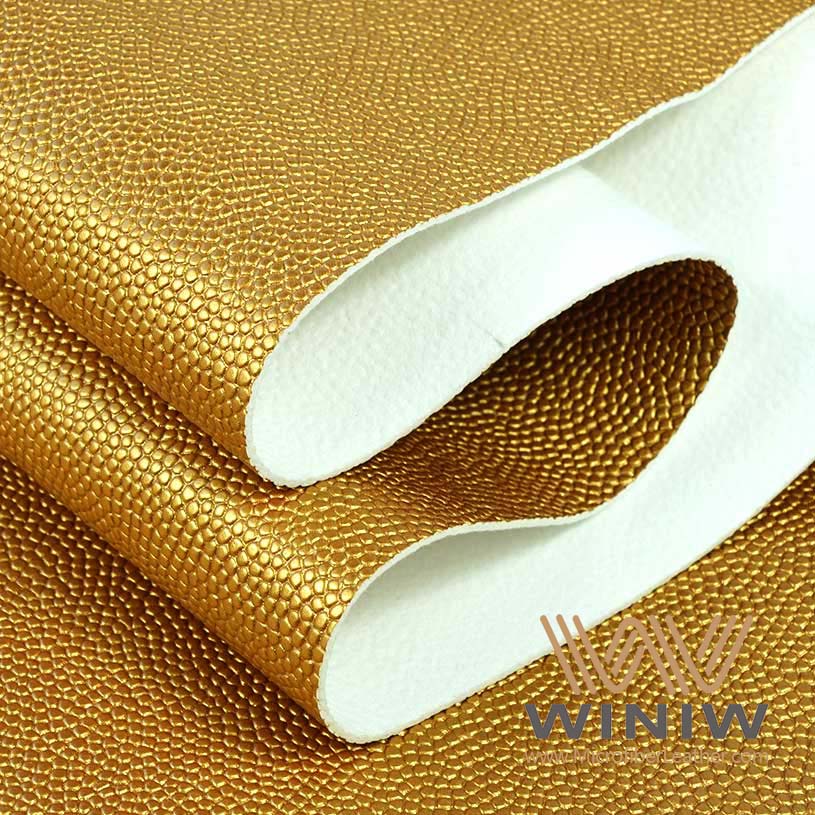
Synthetic leather gives you a more affordable option. You find this material in many college and high school basketballs. Synthetic leather resists water, so you can use it in different environments without worrying about damage. Cleaning is easy—just wipe it with a damp cloth.
| Feature | Synthetic Leather | Genuine Leather |
|---|---|---|
| Water Resistance | Superior, repels moisture | Absorbs moisture, can become heavy |
| Maintenance Requirements | Easy to clean, no conditioning needed | Requires regular cleaning and conditioning |
Recent advances in synthetic materials have improved grip and durability. You get better handling, even in wet conditions. Players report more confidence because of the enhanced grip. Synthetic leather lasts longer outdoors than original basketballs made from natural leather.
| Material Type | Cost Comparison |
|---|---|
| Leather (Synthetic) | More affordable than natural leather |
| Type of Basketball | Durability | Lifespan Estimate | Notes |
|---|---|---|---|
| Synthetic | More durable for outdoor use | Generally lower lifespan than leather | Cheaper and versatile, good for beginners |
- Synthetic leather basketballs are more water-resistant than genuine leather ones.
- Maintenance for synthetic leather is minimal.
Rubber
Rubber basketballs give you a rugged, affordable choice. You see these balls on playgrounds and outdoor courts. The surface feels hard and rough, which makes them less comfortable for long games. However, rubber balls handle rough surfaces well and last a long time outside.
| Material | Texture | Grip | Feel |
|---|---|---|---|
| Rubber | Hard and rugged | Less control for dribbling | Feels harder in hand |
| Material Type | Cost Comparison |
|---|---|
| Rubber | Most affordable |
| Type of Basketball | Durability | Lifespan Estimate | Notes |
|---|---|---|---|
| Rubber | Less durable than leather | Suitable for outdoor play | Cheaper, rougher texture, good for any surface |
| Advantages | Disadvantages |
|---|---|
| Waterproof nature | Mundane feel |
| Durability | Grip compared to other materials |
| Low cost (typically $10-$20) |
Rubber basketballs offer consistent bounce, which helps you control the ball on any surface. The waterproof nature of synthetic rubber makes these balls ideal for outdoor play.
Composite Materials
Composite materials combine different elements to create a balanced basketball. You often see composite leather material in balls used for both indoor and outdoor play. These materials use a polymer matrix reinforced with stronger fibers. The result is a ball that absorbs shock, resists wear, and provides a soft, balanced feel.
| Material | Texture | Grip | Feel |
|---|---|---|---|
| Composite Leather | Softer than rubber | Great grip and control | Balanced feel |
| Material Type | Cost Comparison |
|---|---|
| Composite | Moderate |
Composite basketballs give you great grip and control. They last longer than rubber balls and feel softer in your hands. You get a ball that works well on many surfaces.
Bladder and Carcass
The bladder sits at the core of every basketball. It holds the air and gives the ball its bounce. Most bladders use butyl rubber for excellent air retention. Some professional balls use latex bladders for a softer feel and quicker rebound. The carcass, or outer layer, uses nylon or polyester to add strength and shape.
A high-quality bladder ensures your basketball stays inflated and responsive. Consistent air pressure means reliable bounce and better handling during play.
The choice of bladder material affects how the ball feels and performs. Butyl rubber bladders keep air longer, while latex bladders offer more elasticity. The carcass, made from synthetic materials, supports the outer cover and helps the ball keep its shape.
You now have a clear view of the main basketball materials. Each part, from the full grain leather cover to the butyl rubber bladder, plays a role in how the ball performs. The right combination of materials used to make basketballs ensures you get the best experience, whether you play indoors or outdoors.
Basketball Materials by Level
Professional (NBA)
You see the highest standards for basketball materials in the NBA. The nba game ball uses a four-layer construction. The cover features 100% genuine leather from Horween, which gives you a soft touch and consistent grip. Underneath, the carcass layer uses styrene-butadiene rubber mixed with natural rubber for structure and rebound. The winding layer contains nylon and polyester, adding strength and helping the ball keep its shape. At the core, the bladder uses a rubber mix with high butyl rubber content. This design maintains the 8-psi standard for bounce and air retention.
| Layer | Material Composition | Function |
|---|---|---|
| Bladder | Rubber mix (high butyl rubber, low natural rubber) | Controls air, impacts rebound and shape, maintains 8-psi standard |
| Winding Layer | Nylon and polyester (heavier on nylon) | Controls shape of the ball, provides tensile strength |
| Carcass Layer | Styrene-butadiene rubber mixed with natural rubber | Aids in rebound and structure, serves as a canvas for the cover |
| Cover | 100% genuine leather from Horween | Provides feel and texture, impacts bounce slightly |
You get unmatched performance and durability with this combination.
College (NCAA)
In college basketball, you play with balls made from composite leather. This material mimics the feel of genuine leather but costs less. The NCAA requires a deeply pebbled cover and specific panel shapes for better grip and control. You may notice differences in grip and handling because the NCAA allows more variation in brands and materials than the NBA. Composite leather basketballs offer a balance between performance and affordability, making them ideal for college athletes.
High School & Youth
High school and youth leagues use a mix of synthetic materials, composite leather, and rubber. You often find synthetic leather for its durability and easy maintenance. Rubber balls work well for beginners and outdoor courts. High-quality basketballs for young players focus on safety and skill development. Proper sizing and safe materials help you learn the fundamentals and reduce injury risks.
| Material | Characteristics | Suitability |
|---|---|---|
| Leather | Soft, supple, high grip, requires break-in, best for indoor use | Professional play, indoor courts |
| Synthetic | Durable, no break-in needed, suitable for both indoor and outdoor use | Versatile use |
| Rubber | Extra bounce, durable, ideal for outdoor courts, good for beginners | Outdoor play, recreational use |
- Choosing the right basketball materials for youth ensures safety and supports skill growth.
- You benefit from equipment that matches your age and ability.
Recreational & Outdoor
For outdoor and recreational play, you usually pick basketballs made from rubber or composite leather. Rubber balls stand up to rough surfaces and weather, making them the most common choice. Composite leather gives you a softer feel and better grip, while still handling outdoor conditions. Genuine leather does not hold up well outside, so you rarely see it on playgrounds.
| Material | Characteristics | Suitability for Outdoor Use |
|---|---|---|
| Rubber | Durable, affordable, handles rough surfaces | Most common choice for outdoor play |
| Composite Leather | Softer feel, better grip, balance between performance and price | Popular for outdoor use |
| Genuine Leather | Exceptional performance and feel, expensive, susceptible to outdoor damage | Not suitable for outdoor use |
Tip: For outdoor courts, synthetic rubber and butyl rubber bladders help your ball last longer and keep a consistent bounce, even in changing weather.
Eco-Friendly and Sustainable Trends
You now see a growing trend toward eco-friendly basketballs. Manufacturers use recycled rubber, plant-based synthetic materials, and water-based adhesives. These innovations help reduce environmental impact while still providing high-quality basketballs for all levels of play.
How Are Basketballs Made
Construction Process
You can understand the basketball development process by looking at each step from raw materials to the finished product. The process combines technology, craftsmanship, and quality control to ensure every ball meets performance standards.
- Gathering Raw Materials
You start with the main ingredients: rubber or synthetic rubber for most basketballs, and genuine leather for high-end models like the NBA game ball. - Preparing the Bladder
Manufacturers mold the bladder from rubber or latex. They use a process called “dipping” to create a perfect sphere that will hold air. - Wrapping the Bladder
You see layers of nylon thread wrapped around the bladder. This step helps the ball keep its shape and withstand pressure during play. - Creating the Outer Panels
The outer panels are cut and shaped. Each panel receives a pebble-grain texture, which gives you grip and control. - Assembling the Basketball
For the NBA game ball and other leather basketballs, skilled workers stitch the panels together. Synthetic and rubber basketballs use glue to attach the panels. Stitching increases durability, while gluing speeds up production and lowers costs. - Vulcanization
The assembled ball goes into a heated mold. Vulcanization bonds the panels and bladder, creating a strong, unified structure. - Adding the Valve
A valve is inserted into the bladder. This allows you to inflate the ball to the correct pressure. - Quality Control
Each basketball is tested for weight, bounce, and defects. Only balls that pass strict standards move forward. - Branding
The brand name and logo are printed or embossed on the surface. The NBA game ball, for example, receives the official NBA logo. - Packaging
The finished basketballs are packaged carefully for shipping to stores and teams.
Tip: The way you assemble a basketball depends on the material. Leather balls use stitching for strength. Synthetic and rubber balls rely on glue, which affects how the ball feels and performs.
Material Impact on Performance
The choice of basketball materials changes how the ball behaves on the court. You notice differences in grip, bounce, and playability based on the surface and construction.
| Surface Type | Grip Impact | Bounce Consistency |
|---|---|---|
| Hardwood | Excellent grip, reduces injury risk | High elasticity, reliable bounce |
| Rubber | Moderate grip, absorbs energy | Moderate elasticity, decent bounce |
| Asphalt Tarmacadam | Less grip, higher injury risk | Low elasticity, unpredictable bounce |
You get the best grip and bounce on hardwood courts, especially with the NBA game ball made from genuine leather. Rubber balls work well outdoors but offer less control. Synthetic materials provide a balance, giving you good grip and durability for both indoor and outdoor play.
Note: The assembly method also affects performance. Stitched leather balls last longer and give you a premium feel. Glued synthetic and rubber balls are more affordable and versatile but may not match the control of a stitched ball.
Evolution & Sustainability
You have seen basketball materials evolve over time. Early basketballs used handmade leather. In 1894, Spalding produced the first official basketball, setting a standard for the sport. Modern basketballs now feature moisture-wicking surfaces and deep channel designs for better grip. The NBA game ball showcases these advancements with its full-grain leather and engineered construction.
| Year | Development | Description |
|---|---|---|
| 1894 | First Official Basketball | Spalding produced the first standardized basketball, moving away from handmade leather balls. |
| Modern Era | Advanced Technologies | Modern basketballs now feature moisture-wicking surfaces and deep channel designs for better grip. |
| Recent | Spalding Cross Traxxion | Introduced a unique panel configuration for enhanced performance. |
You now see a strong focus on sustainability in the basketball industry. Manufacturers use recycled or sustainably sourced materials for basketballs. Some companies create eco-friendly court surfaces from recycled materials. Uniforms for players also use sustainable fabrics.
- Eco-friendly court surfaces made from recycled materials.
- Basketballs produced from recycled or sustainably sourced materials.
- Uniforms crafted from sustainable fabrics.
You play a role in supporting these innovations by choosing products that use sustainable basketball materials. The basketball development process continues to improve, balancing performance, durability, and environmental responsibility.
You see that leather, synthetic leather, rubber, and composite materials each shape how a basketball feels and lasts. Your level of play guides your material choice. Innovation and sustainability matter.
- NBA Green promotes eco-friendly arenas, like Golden 1 Center and Intuit Dome.
You choose these materials for grip, durability, and performance.

FAQ
What is the best material for indoor basketballs?
You get the best performance from genuine leather basketballs. They offer superior grip and feel on hardwood courts. You need to break them in for optimal results.
How do you clean a basketball?
You should wipe the ball with a damp cloth. For leather, use a mild soap. Avoid soaking the ball. Dry it with a towel after cleaning.
Can you use an indoor basketball outside?
- You can use it outside, but you risk damaging the cover.
- Outdoor surfaces wear down leather and composite materials quickly.
- Choose a rubber or composite ball for outdoor play.