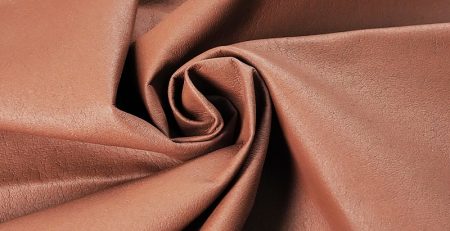
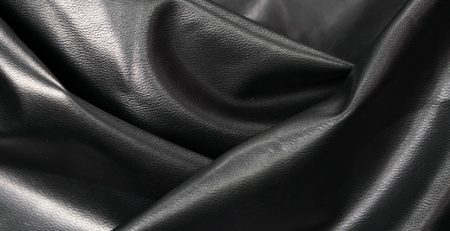
Synthetic Car Leather vs Real Leather Which Is Right for Your Car

You see rapid shifts in car interior materials. Synthetic Car Leather now makes up 40% of global car interiors. Leading brands like Tesla and BMW favor synthetic options for luxury and sustainability. Demand for eco-friendly and premium upholstery rises, reflecting your desire for comfort and innovation in automotive design.
Synthetic Car Leather vs Real Leather Which Is Right for Your Car
- Real leather offers luxury and durability, developing a unique patina over time, but requires more maintenance and is more expensive.
- Synthetic leather is budget-friendly, easy to clean, and available in various colors, making it ideal for busy lifestyles, but may lack breathability and comfort.
- Consider your lifestyle, budget, and values when choosing between real and synthetic leather to ensure your car upholstery meets your needs.
Real Leather Overview
What Is Real Leather
You find real leather in many luxury car interiors. This material comes from animal hides, mainly cattle, sheep, goats, and pigs. Almost all real leather used in cars is a byproduct of the food and wool industry. Manufacturers do not raise animals just for leather. Automotive brands often choose hides from bulls, especially those from northern climates. These hides offer thicker skin and fewer scars, which means higher quality. Genuine leather for cars is selected for durability and strength. You notice that real leather in cars is different from leather used in fashion. It must withstand daily wear and tear.
Key Features Of Real Leather
Real leather stands out for its unique characteristics. You can recognize it by its natural imperfections and rich, earthy smell. The surface feels soft and warm to the touch. Real leather breathes, allowing air to circulate and keeping you comfortable. It resists water when treated and does not peel like synthetic materials. Over time, genuine leather develops a beautiful patina, adding character to your car’s interior. The table below highlights how real leather compares to synthetic options:
| Characteristic | Real Leather | Synthetic Leather |
|---|---|---|
| Appearance | Natural imperfections, unique beauty | Uniform, lacks character |
| Feel | Soft, warm, adaptable | Plastic-like, less comfortable |
| Smell | Rich, earthy | Chemical or plastic scent |
| Durability | Develops patina, does not peel | Peels, less resilient |
| Breathability | Breathable, comfortable | Non-breathable |
| Water Resistance | Can be treated for water resistance | Generally not water-resistant |
| Aging Characteristics | Ages beautifully, unique character | Deteriorates faster |
Pros And Cons Of Real Leather
When you consider the pros and cons of real leather, you see both benefits and drawbacks. Real leather offers a luxurious look and feel. It resists stains and odors, making cleaning easier. You enjoy greater comfort and a higher resale value for your car. Real leather also requires less frequent cleaning and does not fade quickly. However, you must invest more money, as real leather costs more than synthetic options. It can scratch easily and needs conditioning to maintain its quality. In cold weather, real leather feels chilly. It is not vegan-friendly, so it may not fit everyone’s values.
Synthetic Car Leather Overview
What Is Synthetic Leather
You see synthetic car leather in many modern vehicles. Manufacturers create this material by layering polyurethane or polyvinyl chloride over a base fabric. They add a color coat and a textured finish to make it look and feel like real leather. This process gives synthetic car leather a uniform appearance and allows for a wide range of colors and patterns. The table below shows the main materials used in synthetic leather:
| Material | Description |
|---|---|
| Polyurethane | Popular for its flexibility and realistic look. |
| Polyvinyl Chloride | Used as an alternative, offering durability. |
| Base Fabric | Provides structure and support. |
| Coating | Adds the leather-like finish. |
| Color Coat | Gives the desired color. |
| Textured Finish | Mimics the grain of natural leather. |
Key Features Of Synthetic Leather
Synthetic car leather stands out for its practical benefits. You get a material that resists cracking, fading, and wear. Cleaning is simple—just wipe with a damp cloth. Synthetic leather costs less than real leather, so you enjoy a premium look without a high price. Many brands use recycled materials, making synthetic car leather a more sustainable choice. You also find a wide variety of colors and textures, letting you match your style.
- Durability: Withstands daily use and resists damage.
- Easy Maintenance: Quick cleaning with minimal effort.
- Cost-Effectiveness: Affordable luxury for your car.
- Environmental Benefits: Lower resource use and potential for recycling.
Pros And Cons Of Synthetic Leather
When you weigh the pros and cons of synthetic leather, you notice several points. Synthetic car leather offers cost savings, design flexibility, and easy care. It resists stains and fading, making it ideal for busy lifestyles. However, synthetic materials can crack or peel over time and do not breathe as well as real leather. Some types use petroleum-based components, which do not biodegrade easily. You may also find synthetic car leather less comfortable in hot weather.
Synthetic Car Leather vs Real Leather Comparison
Durability And Longevity
When you compare durability between real leather and synthetic leather, you notice clear differences. Real leatherette car seat covers can last decades with proper care. Synthetic leather car seat covers, often called leatherette, usually last a few years before cracking or peeling. The table below shows the average lifespan:
| Material | Average Lifespan |
|---|---|
| Real Leather | Decades (with proper care) |
| Faux Leather | A few years (may crack and peel) |
You find that genuine leatherette upholstery can last as long as your vehicle. It resists tears and punctures, which is a major pros for car seat covers. Synthetic leatherette offers resistance to stains and fading, but it is more prone to scratches and peeling. Both materials have pros and cons, but real leatherette stands out for longevity. You must clean and condition real leatherette regularly to prevent drying and cracking. Synthetic leatherette requires less upkeep, but you may need to replace it sooner. If you want car seat covers that age beautifully and develop a patina, real leatherette is the better choice. Synthetic leatherette provides durability for busy lifestyles but may deteriorate faster.
Maintenance And Cleaning
You value ease of maintenance when choosing car seat covers. Real leatherette requires specialized products to prevent drying and cracking. You should wipe spills quickly, as they can soak into the material and cause permanent damage. Synthetic leatherette is non-porous and water-resistant, making cleanup easy. You can use a damp cloth for everyday cleaning. The pros of synthetic leatherette include quick maintenance and less risk of stains. The cons are that some types may require specific cleaning methods.
Here are recommended routines for both materials:
- Use soft microfiber cloths to avoid scratching the surface.
- Mix mild soap with water for everyday cleaning.
- Choose a specifically formulated cleaner for synthetic leatherette.
- Consider using a conditioner to enhance appearance.
- Utilize a soft-bristled brush for dirt removal from crevices.
- Employ a vacuum with a brush attachment for cleaning crumbs and debris.
- Wipe down seats weekly with a damp microfiber cloth.
- Vacuum regularly, focusing on seams and crevices.
- Act quickly on spills by blotting and cleaning with a damp cloth.
- For deep cleaning, prepare a solution of equal parts water and gentle soap.
- Test cleaning solutions on a small area before full application.
- Rinse and dry the seats after cleaning to remove soap residue.
- Use seat covers to protect against spills and UV damage.
- Avoid direct sunlight to prevent fading and cracking.
- Control humidity to prevent mold and mildew.
- Handle with care to minimize wear and tear.
You notice that synthetic leatherette offers ease of maintenance, while real leatherette needs more attention. Both materials have pros and cons, but synthetic leatherette is ideal for those who want quick cleaning.
Comfort And Feel
You should consider your comfort preferences when selecting car seat covers. Real leatherette provides breathability, which synthetic leatherette lacks. You feel more comfortable in real leatherette because air circulates, keeping you cool. High-quality synthetic leatherette can offer a pleasant seating experience, but it does not match the comfort of real leatherette. Real leatherette is durable and offers a range of textures that enhance both comfort and grip. Synthetic leatherette feels plastic-like and may become sticky in hot weather.
Temperature and climate affect both materials. Cold temperatures cause real leatherette to stiffen and lose suppleness, increasing the likelihood of cracks. Sudden temperature changes can damage the structure. Synthetic leatherette contracts in cold weather, reducing flexibility. High-quality microfiber synthetic leatherette remains more flexible than lower-grade PU faux leathers. In extreme cold, lower-quality synthetic leatherette may crack or become brittle.
You find that breathability, resistance to wear, and tactile authenticity are pros for real leatherette. Synthetic leatherette offers design flexibility and affordability, but you may sacrifice comfort.
Cost Comparison
Cost plays a major role in your decision. Real leatherette car seat covers cost more than synthetic leatherette. The table below compares prices for different vehicle types:
| Vehicle Type | Real Leather Cost | Synthetic Leather Cost |
|---|---|---|
| Two-Seater (e.g., Corvette) | $1,200 – $1,800 | $250 – $400 |
| Standard Sedan (e.g., Camry) | $1,800 – $2,500 | $350 – $600 |
| Pickup Truck (e.g., Ford F-150) | $2,000 – $3,000 | $400 – $750 |
| 3-Row SUV (e.g., Tahoe) | $3,500 – $5,000+ | $600 – $950 |
You pay more for real leatherette, but you get longevity and luxury feel. Synthetic leatherette is affordable and offers a premium look without the high price. Installation and long-term maintenance costs differ. Real leatherette requires special conditioners and pH-balanced cleaners every 3-6 months. Synthetic leatherette is water-resistant and easy to clean, saving you money on upkeep. The pros and cons of each material depend on your budget and priorities.
Environmental Impact
You must consider environmental concerns when choosing car seat covers. Real leatherette is a byproduct of the meat industry, which reduces waste. Modern tanning processes have improved environmental responsibility. High-quality leatherette can last decades, minimizing resource consumption and waste generation. Leatherette is biodegradable and decomposes faster under composting conditions. Synthetic leatherette is often petroleum-based and non-biodegradable, contributing to pollution.
Leatherette integrates more seamlessly into the natural cycle, supporting a circular economy. Innovative processes reduce water and chromium use, lowering human toxicity and ecotoxicity impacts. The table below compares the carbon footprint:
| Material | Carbon Footprint (kg CO2e/m²) |
|---|---|
| Real Leather (after processing) | 17.0 |
| Synthetic Leather | 15.8 |
Synthetic leatherette has a slightly lower carbon footprint, but real leatherette offers superior biodegradability. You must weigh the pros and cons of each material based on environmental impact.
Animal Welfare And Ethics
You should reflect on your ethical standpoint when choosing car seat covers. Real leatherette raises animal welfare concerns. Automotive leatherette is often sourced from well-cared-for cows in Europe, but treatment varies in other regions. Over a billion animals are slaughtered annually for leatherette, raising ethical questions. Investigations reveal ongoing abuse in the leatherette supply chain, especially in countries with lax enforcement of animal welfare laws.
Synthetic leatherette addresses ethical concerns by offering a cruelty-free alternative. No animals are harmed in production, making it ideal for vegans and those seeking cruelty-free car seat covers. Consumer pressure influences car manufacturers to adopt more ethical practices. The table below highlights synthetic leatherette benefits:
| Aspect | Synthetic Leather Benefits | Ethical Considerations |
|---|---|---|
| Animal Welfare | No animals are harmed in production, making it a cruelty-free alternative to traditional leather. | Supports vegan and cruelty-free lifestyles. |
| Environmental Impact | Produced without the significant environmental costs associated with animal farming. | Reduces carbon footprint and promotes sustainability. |
| Durability | Designed to withstand wear and tear, resistant to stains and fading. | Ensures longevity without compromising ethical standards. |
| Maintenance | Easier to clean and maintain compared to traditional leather. | Offers practical benefits for consumers. |
| Design Flexibility | Available in various colors and textures, allowing for customization in automotive design. | Aligns with modern consumer preferences for unique interiors. |
Synthetic leatherette is a sought-after option for those concerned about animal welfare. It appeals to vegans and those seeking cruelty-free alternatives. You must weigh the pros and cons of each material and decide which aligns with your values.
Tip: When choosing car seat covers, consider your comfort preferences, reflect on your ethical standpoint, and evaluate environmental impact. Authenticity, breathability, durability, and resistance are key factors to help you make the best decision.
Decision Guide
Lifestyle Considerations
You should match your car upholstery to your daily routine and needs. If you drive often or have a busy family, synthetic leather offers durability and easy maintenance. It resists stains and UV rays, making it ideal for active lifestyles. You can choose from many colors and textures, so your car reflects your personal style. Synthetic leather often uses recycled materials, which appeals to those who value sustainability. If you want a luxurious feel and classic look, real leather suits you. It adds value and enhances driving enjoyment. Consider durability, maintenance, comfort, and aesthetic appeal when making your choice.
- Synthetic leather withstands daily use and requires less upkeep.
- Real leather provides a premium experience and ages beautifully.
- Both materials cater to different lifestyles and preferences.
Budget Factors
You need to evaluate your budget before selecting car upholstery. Real leather increases the vehicle price by $1,500 to $3,500. Synthetic leather offers a budget-friendly option, saving you $800 to $1,800 compared to real leather. If you want to allocate funds to other features, synthetic leather helps you stay within your budget. Vehicles with leather upholstery can sell for 3% to 8% more than those with cloth seats. In luxury segments, this premium can exceed 10%. The condition of the leather affects resale value. Poorly maintained leather can decrease your car’s worth.
| Material | Cost Increase (MSRP) | Cost Savings Compared to Real Leather |
|---|---|---|
| Real Leather | $1,500 – $3,500 | N/A |
| Synthetic Leather | N/A | $800 – $1,800 |
Values And Preferences
You should consider your values when choosing car upholstery. If you care about animal welfare, synthetic leather is a cruelty-free choice. Genuine leather requires animal slaughter, which raises ethical concerns. Eco-leather uses less water and energy, producing fewer harmful emissions. Genuine leather contributes to resource depletion and pollution. Many buyers prefer alternatives like PU leather to avoid animal suffering. You may prioritize durability, ease of cleaning, or comfort during long drives. Leather is popular in luxury vehicles for its durability and aesthetic appeal. Marine-grade vinyl suits high-sun or humid climates. Cloth offers a budget-friendly option but is less durable.
Tip: Choose upholstery that aligns with your lifestyle, budget, and values. Your decision shapes your driving experience and reflects your priorities.
You see clear differences between real and synthetic car leather. The table below highlights key features:
| Feature | Real Leather | Synthetic Leather |
|---|---|---|
| Durability | Longer lifespan, ages beautifully with care | Resistant to fading and scratches, may peel |
| Maintenance | Requires special conditioners and careful cleaning | Easy to clean, resistant to spills and stains |
| Comfort | More breathable and comfortable | High-quality options are improving in comfort |
| Cost | Generally more expensive | More budget-friendly option |
| Environmental Impact | Natural but harmful tanning processes | Derived from petroleum, production can be polluting |
Industry experts recommend you consider these points:
- Durability and maintenance affect your daily experience.
- Environmental impact matters for sustainability.
- Your values and budget guide your final choice.

FAQ
Can you clean synthetic car leather with household products?
You can use mild soap and water. Avoid harsh chemicals. Wipe with a soft cloth for best results.
Does real leather improve your car’s resale value?
- Real leather often increases resale value.
- Buyers see it as a luxury feature.
- Condition matters; well-maintained leather attracts higher offers.
Is synthetic car leather suitable for vegans?
| Material | Vegan-Friendly |
|---|---|
| Synthetic Leather | ✅ |
| Real Leather | ❌ |
You can choose synthetic leather if you want a vegan option.