Pleather Shoes versus Real Leather Shoes Pros and Cons

Choosing between Pleather Shoes and real leather shoes raises important questions about what you value most in your footwear. You might prioritize affordability, long-lasting wear, or ethical sourcing. Consider these recent trends:
- The global synthetic leather market is projected to reach $55.7 billion by 2033.
- Many consumers prefer genuine leather for durability and biodegradability, but demand for cruelty-free options continues to rise.
- Footwear leads the synthetic leather market, with eco-friendly choices gaining traction.
| Type of Shoe | Average Price | Durability |
|---|---|---|
| Pleather Shoes | $30 | A few months |
| Genuine Leather Shoes | $250 | Up to 15 years |
Think about what matters most to you before making your next purchase.
Pleather Shoes versus Real Leather Shoes Pros and Cons
- Consider your budget when choosing shoes. Pleather offers a lower price, while real leather is a long-term investment.
- Evaluate durability. Real leather shoes can last up to 15 years with care, while pleather typically lasts only a few months.
- Think about comfort. Real leather molds to your feet over time, enhancing fit, while pleather can feel stiff and less breathable.
- Reflect on ethical concerns. Pleather is vegan-friendly, but its production can harm the environment. Real leather raises animal welfare issues.
- Assess maintenance needs. Pleather requires less upkeep, while real leather needs regular care to maintain its quality and appearance.
Pleather Shoes vs Real Leather: What’s the Difference?
When you shop for new shoes, you often see terms like pleather, faux leather, and real leather. Understanding the differences helps you make a smart choice for your needs and values.
What Are Pleather Shoes
Pleather shoes, also called faux leather shoes, use synthetic materials to mimic the look and feel of animal leather. Manufacturers usually start with a base fabric such as polyester or cotton. They then apply a polymer coating, often polyurethane (PU) or polyvinyl chloride (PVC), to create a leather-like surface. Embossing rollers add texture, making the material look more like natural leather. After coloring and finishing, the shoes go through curing and drying to stabilize the material. Each batch gets tested for strength and consistency before reaching stores.
You might choose pleather shoes if you want a vegan option or need something affordable. Faux leather shoes do not use animal products, so they appeal to those who care about animal welfare. The production process also allows for a wide range of colors and finishes.
What Is Real Leather
Real leather comes from animal hides, most often cowhide. The process starts with sourcing the hides, which then go through tanning. Tanning can use vegetable or chrome methods to preserve the material and prevent decay. Real leather keeps the natural texture of the animal skin, giving each pair of shoes a unique look and feel.
You will notice that real leather shoes often cost more because of the sourcing and processing involved. They offer durability and a classic appearance that many people value. Some prefer real leather for its breathability and ability to mold to your feet over time.
Here’s a quick comparison to help you see the main differences:
| Feature | Pleather (Faux Leather) | Real Leather |
|---|---|---|
| Material | Made from synthetic materials like PVC or PU | Made from animal hides |
| Production Process | Heat-stamped with artificial grain | Undergoes tanning (vegetable or chrome) |
| Environmental Impact | Considered vegan, no animal harm | Involves animal use, varies by tanning method |
| Texture | Embossed to imitate leather | Natural texture from animal skin |
| Cost | Generally lower cost | Typically higher cost due to sourcing and processing |
Tip: If you want shoes that look like leather but avoid animal products, faux leather offers a practical solution. If you value tradition and long-term wear, real leather might suit you better.
This overview sets the stage for a deeper comparison of durability, cost, comfort, and more in the next sections.
Durability and Longevity
When you invest in shoes, durability often becomes a top concern. You want footwear that withstands daily wear, resists damage, and maintains its appearance over time. Both real leather and faux leather offer unique advantages and drawbacks in this area. Understanding how each material performs helps you make a smart choice for your lifestyle and budget.
Real Leather Durability
You will notice that real leather shoes set the standard for durability in the footwear industry. The natural fibers in real leather create a strong, flexible structure. This material resists tearing and stretching, so your shoes hold their shape even after years of use. When you wear real leather, the material adapts to your foot, which reduces stress on seams and soles. Over time, real leather develops a patina—a soft sheen that signals quality and age. This feature adds character and value to your shoes.
You can expect real leather shoes to last for many years, sometimes even decades, with proper care. Scuffs and scratches rarely compromise the integrity of real leather. You can often buff out minor marks or use leather conditioner to restore the surface. If your shoes develop deeper damage, a cobbler can repair real leather by patching, re-stitching, or resoling. This repairability increases the lifespan and investment value of real leather footwear.
Many people choose real leather for its long-term durability. You might pay more upfront, but you save money over time because you replace your shoes less often. Real leather also resists water better than many synthetic materials, especially after you treat it with a waterproofing product. However, you should avoid soaking real leather, as excessive moisture can cause warping or mold.
Note: Real leather shoes often become more comfortable as you wear them. The material softens and molds to your feet, which enhances both fit and durability.
Faux Leather Durability
Faux leather shoes appeal to you if you want a cruelty-free or budget-friendly option. However, faux leather does not match the durability of real leather. Manufacturers use plastic-based coatings, such as polyurethane or PVC, to create faux leather. These coatings give the shoes a leather-like appearance, but the underlying structure lacks the strength of natural fibers.
You may notice that faux leather shoes start to show signs of wear after a few months of regular use. The surface can crack, peel, or fade, especially if you expose the shoes to heat, moisture, or friction. Unlike real leather, faux leather does not develop a patina. Instead, the material often loses its original finish and becomes brittle over time.
Repairing faux leather presents challenges. Most cobblers cannot patch or recondition faux leather because the material does not respond well to traditional repair techniques. Once the surface cracks or peels, you usually need to replace the shoes. This limitation affects the overall durability and investment value of faux leather footwear.
Despite these drawbacks, faux leather shoes can serve you well for occasional or fashion-focused use. If you want trendy styles or bold colors, faux leather offers a wide range of options. You might choose faux leather for shoes you plan to wear infrequently or for short periods. However, if you need shoes for daily wear or demanding conditions, you may find the durability of faux leather lacking.
Tip: To extend the life of faux leather shoes, store them away from direct sunlight and moisture. Clean them gently with a damp cloth and avoid harsh chemicals.
Comparison Table: Durability at a Glance
| Feature | Real Leather Shoes | Faux Leather Shoes |
|---|---|---|
| Lifespan | 5–15 years (with care) | 6–18 months (average use) |
| Resistance to Wear | High | Moderate to Low |
| Repairability | Excellent | Limited |
| Investment Value | High | Low |
| Comfort Over Time | Improves | Often declines |
When you weigh your options, consider how often you plan to wear your shoes and what you expect from their durability. Real leather offers unmatched longevity and repairability, making it a wise investment for everyday footwear. Faux leather provides short-term value and style but falls short in long-term durability.
Cost and Value
Pleather Shoes Affordability
When you shop for shoes, cost often becomes a deciding factor. Pleather shoes attract many buyers because of their lower price point. You can find synthetic leather sneakers for about $36.99, while genuine leather sneakers average $35.24. The price difference may seem small, but pleather shoes usually offer more style options and seasonal trends at a lower upfront cost.
Several factors influence the affordability of pleather shoes:
- Raw material sourcing and processing costs play a major role in pricing.
- Supply chain issues and sustainability demands can cause price fluctuations.
- Consumer demand shifts with comfort, eco-consciousness, and price sensitivity.
- Fashion trends and the growing urban population drive demand for affordable, stylish footwear.
- Economic conditions, such as disposable income and global market changes, affect the final cost.
You may notice that pleather shoes appeal to those who want to update their wardrobe frequently without a significant investment. However, the lower cost often comes with a trade-off in durability and long-term value.
| Type of Shoe | Price Range |
|---|---|
| Genuine Leather Sneakers | ~$35.24 |
| Synthetic Leather Sneakers | ~$36.99 |
Tip: If you prioritize variety and budget-friendly choices, pleather shoes can help you stay on trend without overspending.
Real Leather Investment
Real leather shoes require a higher initial cost, but they deliver unmatched value over time. You invest in footwear that can last over 50 years, far outlasting pleather shoes, which typically last between 2 to 10 years. The longevity of real leather contributes to a higher resale value, as these shoes retain their worth better than synthetic alternatives.
You benefit from several advantages when you choose real leather:
- Real leather offers luxurious longevity, making it a smart investment in both style and quality.
- The material molds to your feet, providing a personalized fit and enhanced comfort.
- Real leather shoes resist wear and develop a unique patina, increasing their value as they age.
Many consumers now consider environmental and animal welfare issues when evaluating the value of real leather. Some prefer vegan options, but the higher price of vegan footwear can be a barrier, as these options sometimes cost 20-30% more than traditional leather shoes.
Note: Real leather shoes may require a larger upfront cost, but their durability, comfort, and resale value make them a wise long-term investment.
Comfort and Fit
Faux Leather Comfort
When you try on faux leather shoes, you may notice a difference in comfort right away. Faux leather often feels stiff and does not adapt to your foot’s shape. The material tends to remain rigid, even after several wears. This lack of flexibility can cause discomfort, especially if you spend long hours on your feet. Faux leather shoes also struggle with breathability. Your feet may feel hot or sweaty because air cannot circulate well inside the shoe. Over time, this can make faux leather shoes less appealing for daily use.
You might choose faux leather for its affordability or style, but you should consider how the material affects your comfort. Many wearers report that faux leather shoes do not provide the same level of support as other options. The rigid structure can lead to pressure points or blisters. If you value comfort above all, you may find faux leather shoes lacking in this area.
- Faux leather shoes tend to remain rigid and do not conform to the shape of the foot, which can lead to discomfort during extended wear.
- The lack of breathability in faux leather can negatively impact comfort levels.
Tip: If you decide on faux leather shoes, look for pairs with cushioned insoles or extra padding to improve comfort.
Real Leather Comfort
Real leather shoes set a high standard for comfort. When you wear real leather, the material starts to mold to your foot’s unique shape. This process creates a custom fit that improves with time. Real leather offers natural breathability, which helps regulate temperature and keeps your feet dry. You will notice that real leather shoes feel softer and more flexible after each wear.
Many people choose real leather for its superior comfort and adaptability. The material supports your foot while reducing friction and pressure points. Real leather shoes often become more comfortable the longer you own them. If you want footwear that feels better with age, real leather stands out as the top choice.
- Real leather shoes are known for their breathability and ability to mold to the foot over time, enhancing overall comfort.
Note: To maximize comfort, break in your real leather shoes gradually and use a leather conditioner to keep them supple.
Appearance and Texture
Pleather Shoes Look
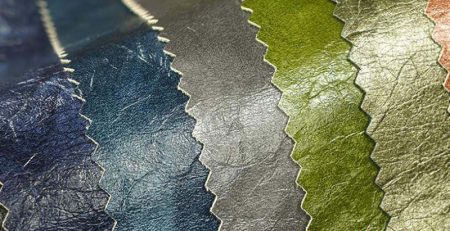
When you examine pleather shoes, you see a surface designed to mimic the look of real leather. Manufacturers use embossing techniques to create artificial grain patterns. These shoes often appear smooth and uniform. You notice that pleather shoes come in a wide range of colors and finishes. You can find glossy, matte, or even metallic styles. The synthetic coating allows for creative designs that real leather cannot always achieve.
You may appreciate the consistency in pleather shoes. Each pair looks almost identical, which appeals to you if you want a flawless appearance. You rarely see natural imperfections or variations. However, the texture feels less rich when you touch it. Pleather shoes sometimes feel plasticky or stiff. You might notice that the surface does not change much over time. The shoes maintain their original look, but they do not develop a patina.
Tip: If you want shoes that stay looking new with minimal maintenance, pleather offers a practical solution. You only need to wipe them clean with a damp cloth.
Real Leather Texture
You experience a unique texture when you choose real leather shoes. The surface displays natural grain, pores, and subtle marks. Each pair tells a story through its individual characteristics. You feel a soft, supple touch that improves with age. Real leather develops a patina, which adds depth and beauty. The color may shift slightly, and the texture becomes smoother as you wear the shoes.
You notice that real leather offers a luxurious appearance. The material reflects light in a way that synthetic options cannot match. You see slight variations in shade and grain, which signal authenticity. You value the tactile experience of real leather. The shoes breathe and adapt to your foot, enhancing comfort and style.
You must consider maintenance when you own real leather shoes. Regular cleaning and conditioning preserve the texture and appearance. You need to protect the shoes from excessive moisture and dirt. You should use specialized products for maintenance. You may buff out minor scuffs, but deeper marks add character. You invest time in maintenance, but you gain shoes that improve with every wear.
| Feature | Pleather Shoes | Real Leather Shoes |
|---|---|---|
| Surface Texture | Smooth, uniform, artificial | Natural grain, unique markings |
| Color Options | Wide range, consistent | Limited, subtle variations |
| Aging Process | Minimal change | Develops patina, richer texture |
| Maintenance | Simple, quick | Requires regular maintenance |
Note: If you value authenticity and a rich tactile experience, real leather stands out. You enjoy shoes that evolve with you, provided you commit to proper maintenance.
Maintenance and Care
Caring for Pleather Shoes
You can keep pleather shoes looking fresh with a simple cleaning routine. Synthetic materials require less maintenance than real leather, but you must avoid harsh treatments to preserve the finish. Follow these steps for best results:
- Mix a small amount of liquid dish detergent with warm water. Use a soft bristle brush to gently scrub the surface of your shoes. Rinse with cold water to remove soap residue.
- Hang dry your shoes. Direct heat or machine drying can cause shrinking or melting, which ruins the material.
- Apply a PVC moisturizer to small areas. This helps prevent cracking and distortion. Limit washing to maintain the original look.
Pleather does not absorb moisture, so you rarely need to worry about stains soaking in. You can wipe away most dirt with a damp cloth. Avoid machine washing, which damages synthetic coatings. Store your shoes away from direct sunlight to prevent fading.
A local cobbler stated that absolutely nothing can be done once faux leather starts to crack and peel.
Pleather shoes offer convenience, but you cannot repair them once the surface breaks down. Replace them when you see significant wear.
Caring for Real Leather
Real leather shoes demand more attention, but you gain longevity and a rich appearance in return. You should clean your shoes regularly with a damp cloth to remove dust and dirt. Use a leather conditioner every few months to keep the material supple and prevent drying. Polish your shoes to restore shine and protect the surface.
Store real leather shoes in a cool, dry place. Use shoe trees to maintain shape and absorb moisture. Avoid exposing leather to excessive water, which causes warping or mold. If your shoes get wet, let them air dry naturally.
You can repair scuffs and scratches with leather creams or by visiting a professional cobbler. Real leather responds well to patching, re-stitching, and resoling. This repairability extends the life of your shoes and preserves their value.
| Maintenance Task | Pleather Shoes | Real Leather Shoes |
|---|---|---|
| Cleaning | Mild soap, water | Damp cloth, conditioner |
| Drying | Hang dry | Air dry, shoe trees |
| Repairability | Not repairable | Highly repairable |
| Conditioning | PVC moisturizer | Leather conditioner |
Tip: Regular care keeps your shoes looking sharp and extends their lifespan. Choose the routine that fits your footwear material.
Environmental and Ethical Impact
Faux Leather Sustainability
You may consider faux leather shoes as a more ethical choice because they do not involve animal products. The synthetic materials used in faux leather eliminate direct harm to animals, which appeals to many consumers focused on animal welfare. However, you should recognize that faux leather production relies heavily on fossil fuels. This process contributes to pollution and increases the carbon footprint of each pair.
Take a look at the carbon footprint comparison below:
| Material | Carbon Footprint (kg CO2e/m²) |
|---|---|
| Cow Skin Leather | 110.0 |
| Synthetic Leather | 15.8 |
Faux leather shoes produce a lower carbon footprint than real leather shoes. This difference makes faux leather attractive for those who prioritize reducing greenhouse gas emissions. Still, the environment faces challenges when you dispose of faux leather shoes. Most recycling programs do not accept synthetic leather because it is non-recyclable. You often need to throw these shoes away, which adds to landfill waste.
- Faux leather shoes: Usually non-recyclable, rarely accepted by recycling programs.
- Real leather shoes: Sometimes accepted, but recycling remains difficult.
- General recycling: Shoes made from rubber, foam, and textiles are more likely to be recycled than synthetic leather.
If you want to minimize your impact on the environment, consider how long you plan to use your shoes and whether you can recycle them.
Real Leather Ethics
You encounter complex ethical issues when you choose real leather shoes. The leather industry depends on animal farming and skin processing, which raises significant animal welfare concerns. Many justify real leather as a by-product of the meat industry, but this relationship sustains animal slaughter and complicates the ethical narrative.
The tanning process for real leather often uses toxic chemicals like chromium. These chemicals pose serious risks to both the environment and human health. You may find that real leather shoes last longer and can sometimes be recycled, but the environmental cost of production remains high.
Real leather shoes offer durability and repairability, but you must weigh these benefits against animal welfare and environmental risks.
You should reflect on your values before making a decision. Faux leather provides a cruelty-free alternative with a lower carbon footprint, but recycling remains a challenge. Real leather delivers longevity and tradition, yet ethical and environmental concerns persist.
You face a range of pros and cons when choosing between pleather shoes and real leather shoes. Consider factors like durability, comfort, appearance, maintenance, and ethics. The table below highlights what matters most to consumers:
| Factors | Faux Leather | Real Leather |
|---|---|---|
| Material Composition | Synthetic material designed to imitate leather | Natural product sourced from animal hides |
| Durability | Durable, maintains appearance | Highly durable with proper care |
| Comfort and Breathability | Designed for comfort, all-day wear | Naturally breathable, comfortable long-term |
| Appearance and Aesthetic | Wide range of colors and textures | Rich, natural look, limited dye options |
| Maintenance | Easy to clean, stain resistant | Requires regular care |