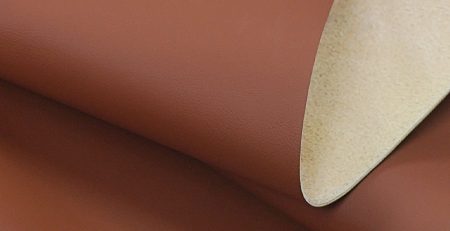
What Are Patent Shoes and How Are They Made

Patent shoes feature a glossy, polished surface that instantly catches your eye. You recognize these shoes by their patent leather, which uses a special finish to achieve a mirror-like shine. The unique coating makes them stand out in formal settings. You see patent shoes play a significant role in the global formal footwear industry, especially for men’s styles.
- Patent leather holds about 29.4% of the formal footwear market worldwide.
- This type is most popular in men’s formal shoe collections.
What Are Patent Shoes and How Are They Made
- Patent shoes feature a glossy, mirror-like finish that enhances their elegance, making them ideal for formal occasions.
- The high-gloss coating of patent leather provides water resistance, allowing you to wear these shoes in light rain without worry.
- Maintaining patent leather shoes is simple; regular cleaning with mild soap and water keeps them looking new.
- Patent leather shoes come in various styles, including loafers, pumps, and boots, offering versatility for different outfits.
- The manufacturing process involves treating leather with chemicals and applying multiple layers of lacquer for durability and shine.
- While patent leather shoes are stylish, they can be stiff and less breathable, so consider comfort for long wear.
- Proper storage in a cool, dry place helps preserve the shine and prevents damage to patent leather shoes.
- You can easily remove scuffs from patent leather using petroleum jelly or olive oil, ensuring they maintain their polished look.
Patent Shoes Overview
Main Features
Glossy Surface
You notice the glossy surface first when you look at patent shoes. The high-gloss coating creates a shiny surface that reflects light, giving these shoes a luxurious appearance. Patent leather uses a special high-gloss coating that sets it apart from other materials. This finish makes black patent leather shoes stand out in any formal setting. You see patent leather shoes in luxury fashion collections because the high-gloss coating delivers a mirror-like effect. The shiny surface does not fade easily, so you enjoy a consistent look every time you wear them.
Tip: If you want your shoes to catch attention at a special event, choose black patent leather shoes for their unmistakable shine.
Water Resistance
Patent leather features a high-gloss coating that also provides water resistance. You benefit from this feature because water does not penetrate the shiny surface easily. Black patent leather shoes resist moisture better than regular leather shoes. You do not need to worry about rain or spills damaging your patent leather boots or patent leather loafers. The high-gloss coating acts as a barrier, so you spend less time maintaining your shoes. This water resistance makes patent leather loafers and patent leather boots a smart choice for unpredictable weather.
Note: Patent leather shoes offer water resistance, but you should still avoid soaking them to preserve the high-gloss coating.
Comparison Table: Patent Leather Shoes vs. Other Footwear
You can see how patent leather shoes compare to other types of footwear in the table below:
| Characteristic | Patent Leather Shoes | Regular Leather Shoes | Synthetic Options |
|---|---|---|---|
| High-shine finish | Glossy, mirror-like appearance | Natural, matte or semi-gloss finish | Can mimic shine, but often less durable |
| Water resistance | Treated for water resistance | Absorbs moisture, needs regular care | Often water-resistant, but less breathable |
| Ease of maintenance | Smooth surface, easy to clean | Requires conditioning and polishing | Usually easy to clean |
| Durability | Prone to cracking and yellowing if not cared for | Develops character and patina over time | May crack or peel with age |
| Cost | Mid to high, depending on material quality | Varies, often higher for premium leather | Usually more affordable |
Common Styles
You find patent shoes in many styles, each designed to suit different occasions and tastes. Black patent leather shoes remain the most popular choice for formal events. Patent leather loafers offer a blend of comfort and style, making them ideal for both work and casual outings. Patent leather boots give you a bold look, especially in luxury fashion circles. You see patent leather loafers in muted pastels for a minimalist vibe, while patent leather boots in polished black add edge to your wardrobe.
- Stiletto heels in fiery patent red
- Minimalist patent leather loafers in muted pastels
- Chunky patent leather boots in polished black
Patent leather shoes adapt to many outfits. You can pair patent leather pumps with tailored trousers for a refined office look. You might wear patent leather heels with a cocktail dress at special occasions. Patent leather loafers work well with distressed denim for a relaxed weekend style.
- Pair patent leather pumps with tailored trousers and a white blouse for a refined office look.
- Wear patent leather heels with a cocktail dress for special occasions.
- Combine patent leather loafers with distressed denim for a casual weekend outfit.
Patent leather shoes fit into luxury fashion because they offer versatility and a shiny surface that complements both professional and casual outfits. You see black patent leather shoes in high-end collections, and patent leather loafers in everyday wardrobes. Patent leather boots make a statement in luxury fashion, especially when you want a bold, shiny surface.
Callout: Patent leather shoes are incredibly versatile. You can style them for work, special events, or casual outings. Their high-gloss coating and shiny surface make them a staple in luxury fashion.
Industry Features
You notice several features in patent leather shoes that enhance comfort and performance:
- Sole technology with cushioning and traction patterns
- Fastening systems like specialized lacing and buckles
- Upper design innovations for durability and style
- Material technologies that improve longevity
- Orthopedic innovations for foot health
Patent leather loafers often include advanced sole technology for comfort. Patent leather boots may feature orthopedic innovations for better support. You see these features in luxury fashion collections, where comfort and style matter equally.
Regional and Demographic Appeal
You find that patent leather appeals to fashion-conscious consumers who value a luxurious appearance. Black patent leather shoes attract high-income buyers seeking premium style. Patent leather loafers and patent leather boots fit the tastes of those who want both elegance and practicality. The high-gloss leather finish resonates with people who appreciate luxury fashion and want their shoes to stand out.
| Material | Appeal Description | Target Demographic |
|---|---|---|
| Patent Leather | Glossy finish that resonates with fashion-forward consumers, signifying elegance. | Fashion-conscious consumers |
| Leather | Favored for durability and premium feel, appealing to discerning consumers. | High-income consumers |
| Synthetic | Affordable and versatile, aligning with fast fashion trends. | Budget-conscious consumers |
| Suede | Luxurious texture, appealing to women seeking stylish options for special occasions. | Niche market, often higher-income women |
| Canvas | Recognized for comfort and casual appeal, especially among younger demographics. | Younger consumers seeking practicality |
You see patent leather shoes, especially black patent leather shoes, in luxury fashion markets worldwide. Patent leather loafers and patent leather boots remain popular among those who want a shiny surface and a high-gloss coating that lasts.
Patent Leather Materials
Natural Leather
You see that patent leather originally started with natural calf leather. Manufacturers selected fine-grained pieces for their smooth texture. They coated these pieces with layers of lacquer to create the glossy finish you recognize today. Over time, you notice a shift in the industry. Producers now use less natural leather and more synthetic alternatives. The natural qualities of premium leather become less important once the lacquer covers the surface. This change affects the longevity and feel of patent leather shoes. You may find that older shoes made with natural leather last longer, but newer options focus on affordability and accessibility.
- Patent leather began with high-quality calf leather.
- Modern patent leather often uses faux or imitation leathers.
- The lacquer coating reduces the impact of natural leather’s original features.
| Material Type | Description |
|---|---|
| Leather | Derived from animal skins or hides, primarily from cattle, sheep, goats, and pigs. |
| Coating | Coated with lacquer to achieve a glossy finish. |
| Synthetic Coating | Made from polyurethane, acrylic, or a mixture of oils and waxes. |
Synthetic Coatings
You find that synthetic coatings play a major role in the production of patent leather today. Polyurethane and acrylic are the most common materials used for the glossy surface. These coatings make patent leather more affordable and easier to produce. You benefit from shoes that resist water and maintain their shine for longer periods. The introduction of synthetic coatings in the late 19th century changed the market. Polyurethane, discovered in 1937, made patent leather shoes more flexible and durable. You see these innovations reflected in the shoes you buy now.
- Manufacturers begin with a fine-grained piece of leather or synthetic base.
- They apply multiple layers of plastic or acrylic lacquer.
- Each layer dries and gets polished for a smooth, shiny finish.
- New coating materials replace traditional linseed oil varnishes.
- These advancements improve durability and lower costs.
Patent leather shoes often use vegan substitutes. You see polyurethane-based synthetic leathers and recycled plastic fabrics that replicate the shine. New technologies also introduce metallic foil coatings and holographic films. These create unique textures and patterns that you may find appealing.
Color and Pattern Options
You have more choices than ever when selecting patent leather shoes. Retailers offer a wide range of colors, from classic black to bold ruby red and smokey blue. You can choose shoes with crinkle finishes, pearlized grains, or even holographic effects. The variety allows you to match patent leather shoes with different outfits and occasions.
| Brand Name | Product Name | Color | Price |
|---|---|---|---|
| Dolce Vita | Harlen | Ivory Crinkle Patent | $87.14 |
| Eileen Fisher | Emmet | Mica | $168.00 |
| Eileen Fisher | Emmet | Black | $105.00 |
| Marc Joseph New York | Colombus Circle | Black Napa Patent | $39.00 |
| Rockport | Total Motion Adelyn Ballet | Black Patent | $81.35 |
| Alegria | Classic | Lax A Daisy | $117.00 |
| Naturalizer | 27 Edit Miller | Hazelnut Brown Patent Leather | $101.46 |
| Sam Edelman | Tully | Smokey Blue | $89.97 |
| Naturalizer | 27 Edit Clive | Ruby Red Patent Leather | $25.99 |
| Marc Joseph New York | East Village | Atlantic Blue Pearlized Grainy | $77.50 |
Tip: You can select patent leather shoes in many colors and patterns. This flexibility helps you express your style and match your wardrobe.
Recent innovations make patent leather more affordable. You see vegan options and new glossy finishes that add metallic or holographic effects. These changes give you more ways to enjoy patent leather shoes, whether you want classic elegance or a bold, modern look.
Patent Leather Process
Chemical Treatment
You begin making patent leather by selecting high-quality hides. The leather must be soft, flexible, and free of imperfections. Before you apply any coatings, you treat the leather with specific chemicals to prepare it for the next steps. These chemicals help clean, soften, and stabilize the material. You see a range of acids and salts used in this stage. Each chemical serves a unique purpose, from removing lime residues to adjusting the pH of the leather.
| Chemical Used | Purpose in Leather Treatment |
|---|---|
| Methanesulfonic acid | Used in pickling leather |
| Lactic acid | Used in deliming (about 1%) |
| Acetic acid | Dissolves lime residues during deliming |
| Formic acid | Used in deliming |
| Ammonium salts | Adjust pH and assist in deliming |
| Boric acid | Used in various steps of leather production |
| Phosphoric acid | Used in various steps of leather production |
| Carbonic acid | Used in various steps of leather production |
| Hydrochloric acid | Possible use in leather production |
| Sulfuric acid | Possible use in leather production |
You ensure the leather is clean and ready for the next stage. This chemical treatment is essential for achieving the smooth, flawless surface needed for a high-gloss finish.
Plastic and Lacquer Coating
After chemical treatment, you move to the coating stage. This is where you see how patent leather is made unique. You apply several layers of plastic or lacquer to the prepared leather. These coatings create the signature glossy look and protect the material from water and dirt. Acrylic and polyurethane are common choices for the coating. Acrylic adds flexibility, which helps reduce cracking and peeling. Polyurethane increases durability and keeps the surface shiny.
- The lacquer coating makes patent leather waterproof and dirt-resistant.
- The acrylic in the coating gives the leather flexibility.
- The plastic layer prevents moisture and dirt from penetrating the surface.
- The coating creates a high-gloss finish that stands out in any setting.
You notice that the coating also affects comfort. The protective layer reduces breathability, which can make the shoes less comfortable in warm weather. Patent leather can also react to temperature changes. High heat may cause the surface to become sticky, while cold can make it stiff. Despite these factors, the plastic and lacquer coating is essential for making patent leather shoes durable and visually striking.
Tip: Always store your patent leather shoes in a cool, dry place. This helps preserve the high-gloss finish and prevents the coating from becoming damaged by extreme temperatures.
Varnishing
You achieve the high-gloss finish by applying multiple layers of varnish. Each layer must dry completely before you add the next. This process builds up the shine and ensures the surface remains smooth and reflective. You use specialized machinery to polish the leather after varnishing. This step is crucial for creating the mirror-like effect that defines patent leather.
Linseed Oil Blend
Traditionally, you use a blend of linseed oil in the varnishing process. Linseed oil helps create a flexible yet durable coating. You apply the oil-based varnish in thin layers, letting each one cure before adding the next. This method produces a deep, lasting shine. Modern techniques may use synthetic alternatives, but the principle remains the same. The varnishing process locks in the color and protects the leather from wear.
Note: The use of linseed oil in making patent leather gives the shoes their classic, high-gloss finish. This step is key to both the appearance and longevity of the product.
You follow a precise sequence when making patent leather:
- Select and prepare high-quality leather.
- Treat the leather with chemicals to clean and soften it.
- Apply several layers of varnish, often with linseed oil, allowing each layer to dry.
- Polish the leather to achieve the final high-gloss finish.
This process explains how patent leather is made and why it stands out in the world of footwear. You see that every step, from chemical treatment to varnishing, plays a role in creating shoes with unmatched shine and durability.
Final Finish
You reach the final stage of making patent leather shoes when you apply the last finish. This step transforms the coated leather into a product that stands out for its shine and durability. You see the surface become even glossier, and the color appears deeper and more vibrant. The final finish creates a mirror-like effect that catches the light and draws attention.
You benefit from this process because the finish does more than improve appearance. It increases resistance to scratches, so your shoes stay looking new for longer. You notice that the surface feels smoother and reflects light more sharply. This quality makes patent leather shoes popular for formal occasions, where you want your footwear to look flawless.
Tip: If you want shoes that keep their shine and resist everyday wear, choose patent leather with a high-quality final finish.
Manufacturers use specialized solutions and polishing techniques during this stage. You see them buff the surface with soft cloths or use mechanical polishers. Sometimes, they add protective sprays that seal the glossy layer. These methods help lock in the shine and protect the shoes from scuffs and minor damage.
You can recognize a well-finished patent leather shoe by its clarity and depth of reflection. The final finish ensures that the shoes not only look impressive but also last longer. You enjoy shoes that combine style and practicality, thanks to this essential step.
| Feature | Benefit to You |
|---|---|
| Enhanced gloss | Shoes look brighter and more elegant |
| Scratch resistance | Shoes maintain a flawless surface |
| Mirror-like reflectivity | Shoes stand out in any setting |
| Improved durability | Shoes last longer and resist damage |
You see that the final finish is not just about looks. It gives you shoes that perform well and stay attractive over time. When you choose patent leather shoes, you invest in footwear that offers both beauty and strength.
Patent Shoes Characteristics
Durability
You notice that patent leather shoes offer impressive durability. The glossy coating acts as a shield against moisture and dirt. You find that the surface resists scratches better than regular leather. When you wear patent leather shoes, you see that the shine lasts for many uses. The protective layer prevents water from soaking into the material. You can walk through light rain without worrying about damage. The shoes keep their shape because the coating adds structure. You may observe that patent leather does not develop a patina like traditional leather. Instead, the surface stays bright and reflective. If you care for your shoes properly, you extend their lifespan. You avoid deep cracks and yellowing by storing them away from direct sunlight and heat.
| Durability Factor | Impact on Patent Leather Shoes |
|---|---|
| Water resistance | Prevents moisture damage |
| Scratch resistance | Reduces visible marks |
| Structural support | Maintains shoe shape |
| Shine retention | Keeps shoes looking new |
Tip: You protect your patent leather shoes by keeping them in a cool, dry place. This simple step helps preserve their durability and shine.
Maintenance
You find that maintaining patent leather shoes is straightforward. The smooth surface makes cleaning easy. You do not need special polishes or creams for daily care. Shoe care experts recommend a simple routine to keep your shoes looking their best:
1. Clean your shoes with soap and water. 2. For scuffs, use olive oil or unscented petroleum jelly on a microfiber cloth and rub gently. 3. Treat any remaining stains with rubbing alcohol on a soft cloth. 4. Dry your shoes immediately with a polishing cloth and let them sit for 24 hours. 5. Apply a good leather conditioner to maintain shine.
You can also restore the shine using specialized products. The Saphir Vernis Rife Cleaner works well for this purpose. You apply a thick layer of the cleaner and wait three to five minutes for it to dry. You then polish your shoes with a soft cotton chamois until they shine. You avoid harsh chemicals because they may damage the glossy finish. You store your patent leather shoes in dust bags to prevent scratches. You keep them away from direct sunlight to avoid discoloration.
Note: You maintain the characteristics of patent leather by following these routines. Regular care keeps your shoes looking flawless and extends their life.
Stiffness
You experience a unique stiffness when you wear patent leather shoes. The coating creates a rigid surface that does not stretch easily. You may feel less flexibility compared to regular leather shoes. The stiffness helps the shoes hold their shape over time. You notice that the shoes do not crease as much, which keeps them looking sharp. You might find the shoes less comfortable during long wear because the material does not breathe well. You can choose styles with cushioned soles or ergonomic designs to improve comfort. You break in patent leather shoes slowly to avoid discomfort. You avoid bending the shoes sharply, which can cause cracks in the coating.
| Stiffness Aspect | Effect on Wearer |
|---|---|
| Rigid surface | Maintains shoe shape |
| Limited flexibility | May reduce comfort |
| Minimal creasing | Keeps shoes looking new |
| Breathability | Lower than regular leather |
Callout: You enjoy the sleek look of patent leather, but you should consider the stiffness when choosing shoes for all-day wear.
You see that the characteristics of patent leather include durability, easy maintenance, and noticeable stiffness. You benefit from shoes that look elegant and last long, but you should care for them properly and choose styles that suit your comfort needs.
Pros and Cons
When you consider patent leather shoes, you weigh both the benefits and drawbacks. Understanding the pros and cons of patent leather helps you make smart choices for your wardrobe.
Advantages
Style
You choose patent leather shoes when you want to stand out. The glossy, polished surface gives your footwear a sharp and flashy look. You notice how the mirror-like shine enhances your outfit, especially at formal events. Patent leather shoes add instant elegance to tuxedos, suits, and cocktail dresses. You see them catch the light and draw attention at weddings, proms, and galas. The high-gloss finish makes your shoes ideal for standout moments.
- Patent leather shoes provide a glossy, polished look, making them ideal for formal occasions.
- They add a sharp and flashy touch to outfits, enhancing overall appearance for special events.
- Their shine makes them stand out during standout moments.
Tip: You can use patent leather shoes to elevate your style for any special occasion.
Easy Care
You find that patent leather shoes require less effort to keep clean. The smooth surface resists dirt and moisture, so you wipe away spills with a damp cloth. You do not need special polishes or creams for daily care. Patent leather shoes maintain their shine with simple cleaning routines. You store them in dust bags to prevent scratches and keep them away from direct sunlight. This easy care routine saves you time and keeps your shoes looking new.
| Feature | Benefit to You |
|---|---|
| Smooth surface | Easy to clean |
| Water resistance | Less worry about spills |
| Shine retention | Shoes look new longer |
Disadvantages
Scuffing
You notice that patent leather shoes are prone to scuffs and scratches. The glossy coating shows marks instantly, so you need to handle them with care. You may see discoloration or darkening if you wear them often. Patent leather does not develop a patina like regular leather. Instead, creases and cracks can become permanent. If you flex the shoes too much, you risk irreversible damage. You also find that patent leather can become sticky in hot weather.
- Discoloration and darkening
- Prone to scuffs and scratches
- Creases and cracks are irreversible
- Shows scratches and dirt instantly
- Can become sticky
Note: You should avoid bending patent leather shoes sharply and store them properly to reduce scuffing.
Breathability
You experience less breathability with patent leather shoes. The coating blocks airflow, which can make your feet feel warm or sweaty. You may find these shoes less comfortable for long wear, especially in hot climates. Patent leather shoes do not stretch easily, so they may feel stiff. You do not get the same flexibility as with regular leather shoes. Some people report a chemical odor from new patent leather shoes, which fades over time.
| Disadvantage | Impact on You |
|---|---|
| Low breathability | Feet may feel warm |
| Stiffness | Less comfort for long wear |
| Chemical odor | May notice at first |
Callout: You should consider the comfort and breathability of patent leather shoes before wearing them all day.
You see that patent leather shoes offer style and easy care, but you must watch for scuffing and reduced breathability. Weighing the pros and cons of patent leather helps you decide when these shoes fit your needs best.
Comparison With Other Leather Shoes
Visual Differences
When you compare patent leather shoes to other leather shoes, you notice the difference immediately. Patent leather stands out with its glossy, lustrous finish. The surface reflects light and creates a shimmering sheen that catches your eye. You often see patent leather in solid black, but you can find it in many colors. The shiny appearance makes patent leather visually distinct from other leather types, which usually have a muted or matte finish.
- Patent leather has a mirror-like shine.
- Other leather shoes show a softer, understated look.
- Patent leather offers deeper color saturation.
- Matte leather appears more natural and less reflective.
You recognize patent leather shoes at formal events because their high-gloss surface looks elegant and bold. Other leather shoes blend in with a subtle texture and finish. The visual impact of patent leather makes it a popular choice when you want your footwear to stand out.
Comfort
You experience different levels of comfort when you wear patent leather shoes compared to other leather shoes. Patent leather feels stiffer because of its special coating. The rigid surface helps the shoes keep their shape, but you may notice less flexibility. Your feet might feel warmer since patent leather does not breathe as well as regular leather.
- Matte leather heels flex more easily and feel softer.
- Patent leather shoes show every scratch and crease, which can affect comfort over time.
- Matte leather heels look fresher and require less maintenance.
- The texture of matte leather gives a casual, luxurious feel that suits professional settings.
You may prefer matte leather shoes for long days because they offer better breathability and comfort. Patent leather shoes work best for short-term wear or special occasions when style matters most.
Care Needs
You need to care for patent leather shoes differently than other leather shoes. The glossy finish makes patent leather more sensitive to scuffs and scratches. You must store these shoes carefully to prevent cracking and peeling. Lighter patent leather can pick up color from other materials, and the coating may become sticky in hot weather.
- Natural patent leather is flexible and ages well, making restoration easier.
- Synthetic patent leather feels stiffer and is harder to repair if the coating fails.
- Knowing the type of patent leather helps you choose the right care routine.
Standard leather shoes are more forgiving. You can polish and condition them to restore their look. Patent leather requires gentle cleaning and protection from heat and sunlight. You should avoid bending patent leather shoes sharply to prevent damage.
| Feature | Patent Leather Shoes | Other Leather Shoes |
|---|---|---|
| Shine | High-gloss, mirror-like | Matte or semi-gloss |
| Flexibility | Stiff, less breathable | Flexible, more breathable |
| Maintenance | Sensitive to scuffs, needs gentle care | Can be polished and conditioned |
| Restoration | Depends on type; natural is easier | Usually straightforward |
Tip: You keep your patent leather shoes looking new by storing them in a cool, dry place and cleaning them with a soft cloth. Regular care helps maintain their shine and prevents damage.
You see that patent leather shoes offer a unique look and style, but you must consider comfort and care needs before choosing them for everyday wear.
Care Tips
Cleaning
You keep your patent leather shoes looking their best by following a simple cleaning routine. Start by removing surface dirt with a soft, dry cloth or microfiber towel. This step helps you avoid scratching the glossy finish. Next, lightly dampen a clean cloth with lukewarm water and a drop of mild dish soap. Wring the cloth so it feels barely moist, then gently wipe away stains and marks. Avoid soaking the leather, as excess moisture can damage the surface. After cleaning patent leather, buff the shoes immediately with a dry microfiber cloth to prevent water spots or streaks. To restore the shine, apply a small amount of petroleum jelly or a patent leather conditioner. Spread it evenly with a soft cloth and buff gently for a mirror-like finish.
Tip: Regular cleaning helps maintain the shine and prevents buildup of dirt that can dull the surface.
Storage
You preserve the appearance of patent leather shoes by storing them in the right conditions. Place your shoes in a dust bag or box to protect them from dust and scratches. Keep them away from direct sunlight and heat sources, as light can cause fading and damage. Material science research shows that humidity and temperature play a big role in keeping patent leather in top shape. Use the table below to guide your storage setup:
| Factor | Recommendation |
|---|---|
| Humidity | Maintain between 45% to 55% |
| Temperature | Keep between 18°C to 20°C |
| Light Exposure | Minimize exposure to direct sunlight |
| Air Quality | Ensure clean air to prevent pollutants |
You regulate humidity to avoid mold growth and deterioration. High humidity can harm leather, so aim for a range between 30% and 50%. Store patent leather shoes in dark conditions to prevent fading and keep their glossy finish intact.
Note: Proper storage extends the life of your patent leather shoes and keeps them looking new.
Damage Prevention
You prevent damage to patent leather shoes by taking a few smart steps. Clean your shoes with a damp cloth and dry them completely before stretching or wearing. If you need to stretch the shoes, use a leather-safe shoe stretch spray and a mechanical shoe stretcher designed for delicate materials. Apply gentle pressure and stretch gradually, leaving the stretcher overnight and repeating as needed. For toe expansion, you can use frozen bags filled with water, but always be cautious to avoid overdoing moisture.
- Don’t use too much water, as excess moisture can damage the surface coating.
- Stretch shoes slowly to prevent snapping or peeling.
- Keep patent leather conditioned with a patent leather-specific conditioner to maintain softness and shine.
- Avoid wearing patent leather shoes in harsh weather like heavy rain or snow.
Callout: Regular conditioning and gentle handling help you avoid cracks, scuffs, and loss of shine.
You protect your investment by following these care tips. With the right cleaning, storage, and damage prevention strategies, your patent leather shoes stay glossy and elegant for years.
You recognize patent shoes by their glossy appearance and timeless elegance. Patent leather gives these shoes a mirror-like shine, making them a versatile addition to any wardrobe. You see patent leather used for formal occasions, especially with tuxedos and upscale events. The process involves high-quality materials, chemical treatments, and careful varnishing to achieve durability and refinement. You benefit from easy maintenance, but you must store patent shoes in a shaded spot and use mild oil or petroleum jelly to mask scratches. Stuff your patent leather shoes with shoe trees or tissue paper to maintain shape and prevent creases.
- Glossy finish and versatility for formal attire
- Importance of high-quality patent leather and careful construction
- Requires regular care to preserve shine and durability
- Complements a variety of outfits and exudes refinement
Tip: Wrap each patent leather shoe in a breathable dust bag or soft cotton cloth to protect them from dust and scratches.

FAQ
What makes patent leather different from regular leather?
You see a high-gloss, mirror-like finish on patent leather. Regular leather has a matte or semi-gloss look. Patent leather uses a plastic or lacquer coating that gives it shine and water resistance. Regular leather feels softer and breathes better.
Can you wear patent shoes in the rain?
You can wear patent shoes in light rain. The glossy coating resists water. Heavy rain or puddles may damage the finish. Always dry your shoes with a soft cloth after exposure to moisture.
How do you remove scuffs from patent leather shoes?
You can gently rub scuffs with a microfiber cloth and a small amount of petroleum jelly or olive oil. Buff the area until the mark fades. Avoid harsh chemicals, as they may dull the shine.
Are patent shoes suitable for everyday wear?
You can wear patent shoes daily, but they work best for special occasions. The stiff coating may feel uncomfortable for long periods. Frequent use can lead to creasing or cracking.
Do patent leather shoes stretch over time?
Patent leather shoes do not stretch much. The coating keeps the material rigid. If you need more room, use a shoe stretcher designed for delicate materials. Stretch slowly to avoid damaging the finish.
How do you store patent leather shoes to prevent damage?
You should store patent shoes in a cool, dry place. Use dust bags or soft cotton cloths to protect them from scratches. Keep them away from direct sunlight and heat to prevent fading or cracking.
Can you polish patent leather shoes?
You do not need traditional polish for patent leather. Instead, use a patent leather conditioner or a dab of petroleum jelly. Buff with a soft cloth to restore shine.
Why do patent leather shoes sometimes feel sticky?
Patent leather can feel sticky in hot or humid conditions. The plastic coating reacts to temperature changes. Store your shoes in a climate-controlled area to prevent this issue.