Microfiber PU Leather Explained: Composition and Production Methods

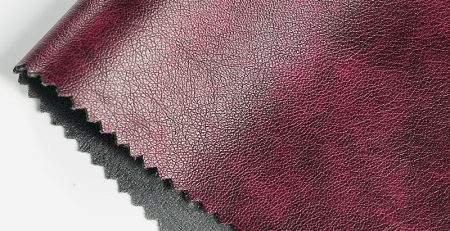
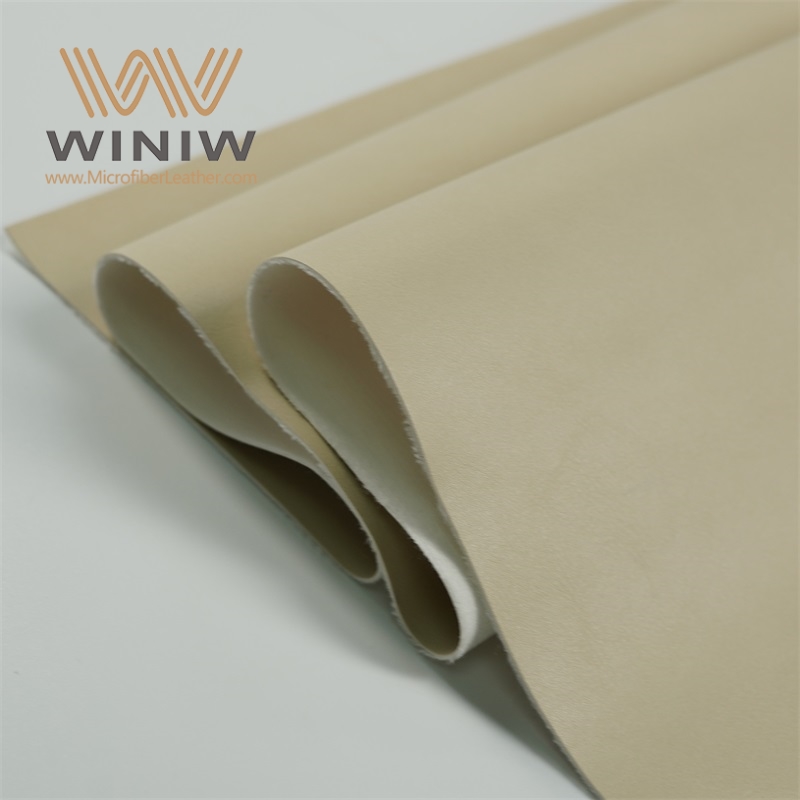
Microfiber PU leather is a type of synthetic leather that combines a non-woven microfiber base with a polyurethane coating. Manufacturers design this material to closely mimic the texture and durability of real leather. Its structure features advanced polymers that provide high wear and scratch resistance. Microfiber PU leather makes up about 10–15% of the global synthetic leather market.
The table below highlights key differences between microfiber PU leather and natural leather:
| Feature | Microfiber PU Leather | Natural Leather |
|---|---|---|
| Composition | Synthetic, made from non-woven fabrics coated with polyurethane | Derived from animal hides |
| Structure | 3D structure with a high-performance coating | Natural texture and characteristics of animal skin |
| Performance | Higher wear and scratch resistance | Varies based on animal and treatment |
Microfiber PU Leather Explained: Composition and Production Methods
- Microfiber PU leather combines a non-woven microfiber base with a polyurethane coating, offering a durable and leather-like feel.
- This synthetic leather is more resistant to wear and scratches than both genuine leather and standard PU leather, making it ideal for high-use items.
- Microfiber PU leather is easier to maintain; regular cleaning with mild soap and water keeps it looking new and extends its lifespan.
- The production of microfiber PU leather generates less pollution compared to traditional leather, making it a more eco-friendly choice.
- Microfiber PU leather provides excellent breathability, enhancing comfort for products like car seats and footwear.
- This material is versatile, used in fashion, automotive interiors, furniture, and sports equipment, appealing to a wide range of consumers.
- Microfiber PU leather mimics the texture of genuine leather closely, offering a stylish and affordable alternative without compromising on quality.
- Proper storage and care are essential to maintain the appearance and durability of microfiber PU leather products.
Microfiber PU Leather Overview
Key Features
Microfiber PU leather stands out in the world of synthetic leather due to its advanced structure and performance. Manufacturers create this material by combining a dense network of microfiber with a polyurethane coating. This process results in a product that closely resembles genuine leather in both appearance and feel. The leather-like texture offers a soft touch and a refined look, making it popular in many industries.
The main microfiber leather characteristics include high strength, excellent elasticity, and a soft surface. These features make microfiber leather more durable than many other types of faux leather. The unique structure allows for better air movement, which improves breathability. This quality makes microfiber leather comfortable for use in car seats, shoes, and furniture, especially in warm conditions.
Note: Microfiber PU leather reduces environmental impact by using non-natural resources and advanced production methods. This approach helps lower pollution compared to some other synthetic leather options.
The table below highlights how microfiber PU leather compares to other synthetic leathers:
| Characteristic | Microfiber PU Leather | Other Synthetic Leathers |
|---|---|---|
| Physical Properties | Superior elasticity, high strength, soft feel | Varies, generally less durable |
| Environmental Friendliness | Reduces pollution, utilizes non-natural resources | Often less eco-friendly |
| Texture | Unique, soft texture | Can be varied, often less refined |
The leather-like texture and soft feel set microfiber PU leather apart from standard faux leather. Many users appreciate its balance of comfort, durability, and appearance.
Microfiber Leather vs. PU Leather
Microfiber leather and PU leather share some similarities, but they differ in important ways. Both belong to the family of faux leather, yet their construction and performance vary.
- Microfiber leather uses a non-woven microfiber base, which gives it a dense, three-dimensional structure. This design provides greater strength and flexibility.
- PU leather, in its standard form, often uses a fabric or split leather base with a polyurethane coating. This structure lacks the advanced network found in microfiber leather.
- Microfiber leather allows for better air movement. This breathability makes it more comfortable for items that touch the skin, such as shoes and car interiors.
- Standard PU leather does not breathe as well. Users may notice discomfort in warm or humid environments.
Microfiber leather also lasts longer and resists wear better than most standard PU leather products. The combination of durability, breathability, and a leather-like texture makes microfiber leather a preferred choice for many applications. Faux leather products made from microfiber offer a higher level of performance and comfort compared to traditional PU leather.
Microfiber PU Leather Composition
Microfiber PU leather features a unique structure that combines advanced synthetic fibers with a high-performance polyurethane coating. This composition gives the material its strength, durability, and leather-like feel. The structure consists of a non-woven microfiber base and a polyurethane resin layer. Each component plays a specific role in the performance and appearance of microfiber leather.
The table below shows the typical proportions of the main raw materials used in microfiber PU leather:
| Raw Material | Proportion |
|---|---|
| Microfibers (Base Fabric) | 60-70% |
| PU Resin Coating | 30-40% |
Microfiber Base Materials
The base of microfiber leather uses a dense network of synthetic fibers. This non-woven fabric forms the foundation for the material’s strength and flexibility. Manufacturers select different types of fibers to achieve specific performance characteristics.
Polyurethane and Polyamide
Polyurethane and polyamide fibers form the core of many microfiber bases. Polyamide, often known as nylon, provides excellent strength and elasticity. Polyurethane fibers add flexibility and help the base mimic the feel of natural leather. The combination of these fibers creates a three-dimensional structure that supports the upper layers of the material.
| Type of Synthetic Fiber | Coating Material |
|---|---|
| Nylon | Polyurethane |
This structure enhances the wear resistance and comfort of microfiber leather. The tight arrangement of fibers also improves moisture absorption, making the material suitable for products that require breathability.
Polyester and Polyvinyl Chloride
Some manufacturers use polyester fibers in the microfiber base. Polyester offers good durability and helps lower production costs. In certain cases, polyvinyl chloride (PVC) may be added to adjust the texture or improve specific properties. However, polyester-based microfiber leather may not match the softness and flexibility of polyamide-based versions.
Cowhide Scraps and Resin (Optional)
A few types of microfiber polyurethane leather include cowhide scraps blended with synthetic fibers. This hybrid approach uses small pieces of natural leather mixed with resin to enhance the texture and strength of the base. While not as common, this method can improve the tactile quality and appearance of the final product.
Note: Most microfiber PU leather remains fully synthetic, but hybrid options exist for specialized applications.
Polyurethane Coating
The polyurethane coating covers the microfiber base and defines many of the material’s key properties. This layer determines the softness, durability, and resistance to water and stains.
| Property | Description |
|---|---|
| Softness | The polyurethane resin provides a soft touch to the leather. |
| Durability | Enhances the overall durability of the microfiber PU leather. |
| Water resistance | The coating offers resistance to water and stains, making it practical for use. |
The polyurethane resin bonds tightly to the microfiber base. This connection prevents peeling, cracking, or deforming, even after extended use. Polycarbonate-based polyurethane coatings further increase strength and wear resistance. Microfiber leather with this coating often outperforms both traditional PU leather and genuine leather in abrasion tests.
- The polyurethane coating:
- Provides softness and durability
- Offers resistance to water and stains
- Enhances tactile quality, making the material feel soft and smooth
- Improves wear resistance
The non-woven microfiber base and polyurethane coating work together to create a material that closely resembles genuine leather. The three-dimensional structure of the base supports the coating, resulting in a product that is strong, flexible, and comfortable. This construction sets microfiber PU leather apart from other types of synthetic leather.
Microfiber PU leather often meets strict quality and safety standards, such as Oeko-Tex Standard 100, ISO 9001, and ISO 14001. These certifications ensure the material is safe, consistent, and environmentally responsible.
How PU Leather Is Made

The production process of pu leather involves several precise steps. Manufacturers use advanced technology to create microfiber pu leather that closely resembles genuine leather in texture and durability. The process includes forming the microfiber base, applying polyurethane, and finishing the material for various uses.
Microfiber Leather Production
Non-Woven Fabric Formation
Manufacturers begin by preparing raw materials such as polyester or nylon. They mix these fibers with chemicals and dyestuffs to create a strong foundation. The next step involves spinning the polymer into ultra-fine fibers. These fibers are then arranged and bonded to form a non-woven fabric. This structure provides strength and flexibility, which are essential for high-quality microfiber leather.
Tip: Non-woven fabric formation allows for a dense network of fibers, improving durability and breathability.
Weaving and Spinning
During weaving and spinning, the polymer undergoes a chemical reaction called polymerization. This reaction forms a stable polymer that can be spun into fibers. The spinning process gives the fibers their strength and elasticity. Manufacturers use mechanical and chemical bonding to ensure the fibers stay together, creating a uniform base for pu leather.
The steps for forming the microfiber base include:
- Microfiber fabric formation: Ultra-fine fibers are spun and arranged into a non-woven fabric.
- Polymerization: Raw materials react chemically to form a polymer.
- Spinning: The polymer is spun into fibers for strength and flexibility.
- Nonwoven fabric production: Fibers are bonded to create a durable base.
Hybrid microfiber pu leather may include cowhide scraps blended with synthetic fibers. This method uses small pieces of natural leather mixed with resin, enhancing texture and strength. While most microfiber leather remains fully synthetic, hybrid options exist for specialized applications.
Polyurethane Application
Coating Methods
Manufacturers apply a layer of polyurethane to the microfiber base to give pu leather its signature look and feel. Two main coating methods exist:
| Method Type | Description |
|---|---|
| Dry Method | A blade applies PU resin to the base material. This method suits ordinary pu leather and creates a smooth surface. |
| Wet Method | A foaming agent is added to the coating. The material is treated in a coagulation tank, forming a microporous structure. This enhances breathability and gives the texture of genuine leather. |
The wet method produces a more realistic leather-like texture and improves comfort. The dry method offers a cost-effective solution for standard pu leather products.
- The fabric receives a polyurethane coating, which provides a leather-like appearance and texture.
Layering and Bonding
After coating, manufacturers bond the polyurethane layer tightly to the microfiber base. This step ensures the material resists peeling, cracking, and deformation. Layering may involve multiple coats of polyurethane to achieve the desired thickness and durability. The bonding process stabilizes the structure, making pu leather suitable for demanding applications.
Note: Layering and bonding techniques play a crucial role in the overall performance of microfiber pu leather.
Finishing Steps
Embossing and Coloring
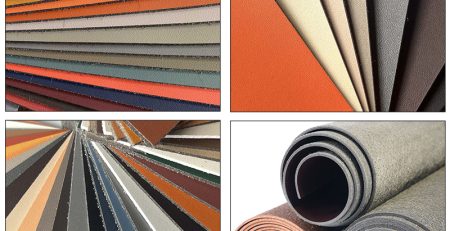
The finishing stage adds visual appeal and functionality to pu leather. Manufacturers emboss the surface to mimic the grain and texture of real leather. They use heat and pressure to create patterns that enhance the material’s appearance. Coloring involves applying dyes or pigments to achieve the desired shade. These treatments ensure uniformity and help the material match various design requirements.
- Embossing creates a realistic leather texture.
- Coloring provides a wide range of options for fashion, automotive, and furniture industries.
Durability Treatments
To improve longevity, manufacturers apply durability treatments during the final steps. These treatments may include water-resistant coatings, anti-scratch layers, and UV protection. The material undergoes drying and curing to stabilize the resin and ensure lasting performance. Quality inspection follows, where experts check for defects and consistency.
Manufacturers face challenges such as environmental concerns and regulatory pressures. Many companies now adopt eco-friendly production methods to reduce pollution and comply with global standards.
The production process of pu leather combines advanced technology and careful craftsmanship. Each step, from forming the microfiber base to applying polyurethane and finishing the material, contributes to the high performance and realistic appearance of microfiber pu leather. Understanding how pu leather is made helps consumers appreciate its value and versatility.
Benefits of Microfiber Leather
Microfiber PU leather offers several benefits that make it a popular choice in many industries. The material combines strength, easy care, and sustainability, which sets it apart from other types of synthetic leather. People often select microfiber leather for products that require durability and a refined appearance.
Durability
Microfiber leather stands out for its exceptional durability. Manufacturers design this material to withstand heavy use and resist damage. Products made from microfiber leather often last longer than those made from genuine leather or standard PU leather. The dense structure of microfiber provides strength and resilience, making it suitable for daily wear and tear. Microfiber PU leather resists scratches, scuffs, and stretching, which helps maintain its appearance over time. Many users find that the advantages of pu leather include its ability to retain shape and color, even after repeated use.
Microfiber leather is more resistant and durable than genuine leather. This quality makes it a better choice for heavy-duty and daily use. The strong and resilient nature of microfiber leather ensures that products remain in good condition for longer periods.
Maintenance
Microfiber PU leather requires minimal maintenance compared to other materials. The surface resists stains and water, which makes cleaning simple. Regular care helps extend the lifespan of faux leather products and keeps them looking new. People can follow these steps to maintain microfiber leather:
- Wipe faux leather with a damp cloth every 1-2 weeks.
- Use mild soap and non-abrasive cloths for cleaning.
- Avoid harsh chemicals such as bleach or ammonia.
- Address spills quickly to prevent stains.
- Deep clean every few months using a vacuum and mild soap solution.
- Store items in cool, dry places away from sunlight.
- Condition occasionally with coconut oil to maintain suppleness.
- Dust regularly with a soft, dry microfiber cloth.
- Spot clean with a mild dish soap solution for stains.
- Rinse with a damp cloth and pat dry.
- Air dry in a shaded place, avoiding direct sunlight.
- Use a conditioner formulated for synthetic leathers.
These maintenance practices help preserve the quality and appearance of microfiber PU leather. The easy care routine is one of the main benefits of microfiber leather.
Environmental Impact
Microfiber PU leather offers advantages in sustainability compared to genuine leather and standard PU leather. The production process uses fewer natural resources and generates less pollution. Manufacturers often adopt eco-friendly methods to reduce the environmental footprint of synthetic leather. The table below compares the CO2 emissions of different materials:
| Material | CO2e Emissions (kg per square meter) |
|---|---|
| Real Leather | Up to 110 kg |
| Microfiber Faux Leather | About 15.8 kg |
| Impact Comparison | Real leather is nearly seven times more impactful than microfiber faux leather |
Microfiber PU leather produces significantly lower carbon emissions than real leather. This reduction supports sustainability goals and helps minimize the disadvantages of pu leather related to environmental concerns. Many companies choose microfiber leather for its eco-friendly profile and lower impact on the planet.
Microfiber PU leather combines durability, easy maintenance, and sustainability, making it a smart choice for those seeking high-performance faux leather products.
Microfiber PU Leather vs. Genuine Leather
Material Differences
Microfiber PU leather and genuine leather differ in their origins and structures. Manufacturers create microfiber PU leather using synthetic fibers and a polyurethane coating. This process results in a uniform material with consistent quality. Genuine leather comes from animal hides. Each piece of natural leather has unique markings and grain patterns.
The difference between microfiber leather and natural leather starts with their composition. Microfiber PU leather contains a dense network of microfibers bonded with polyurethane. This structure gives it a soft feel and high durability. Genuine leather features a natural collagen fiber network. The organic structure provides flexibility and a luxurious texture.
Microfiber PU leather offers several advantages over natural leather. It resists water and stains better. The synthetic coating prevents moisture from penetrating the surface. Genuine leather absorbs liquids more easily. Owners must treat it regularly to maintain its appearance.
Cost also separates these materials. The table below shows typical price ranges for sofas and handbags made from genuine leather and PU leather:
| Material | Approximate Cost Range |
|---|---|
| Genuine Leather | $2000+ for a sofa |
| PU Leather | $500–$1000 for a sofa |
| Genuine Leather Handbag | $300–$500 |
| PU Leather Handbag | $30–$100 |
Microfiber leather vs PU leather highlights the value of synthetic options. Microfiber PU leather provides a premium look at a lower price than genuine leather.
Performance Comparison
Microfiber PU leather and genuine leather show distinct performance characteristics. Microfiber PU leather excels in wear resistance and flexibility. The synthetic fibers withstand abrasion and stretching. This makes microfiber leather ideal for products that face daily use, such as car seats and shoes.
Genuine leather is known for its natural softness and durability. The organic fiber network allows the material to age gracefully. Over time, genuine leather develops a patina that many people find attractive. However, it can scratch and scuff more easily than microfiber PU leather.
The following list summarizes key performance traits:
- Microfiber PU leather offers excellent wear resistance and flexibility.
- Genuine leather provides natural softness and long-lasting durability.
Microfiber PU leather also requires less maintenance. Owners can clean it with a damp cloth and mild soap. Genuine leather needs regular conditioning and protection from moisture. Microfiber leather vs pvc synthetic leather shows that microfiber leather delivers better breathability and comfort.
Manufacturers often choose microfiber PU leather for its consistent quality and easy care. Genuine leather remains popular for luxury goods due to its unique texture and appearance. The choice depends on the desired balance between cost, durability, and aesthetics.
Uses of Microfiber PU Leather
Microfiber PU leather has become a popular choice across many industries. Its versatility, durability, and cost-effectiveness make it suitable for a wide range of products. Microfiber leather uses continue to expand as manufacturers develop new applications.
Fashion and Apparel
Designers and brands favor microfiber PU leather for its sleek appearance and adaptability. Microfiber leather jackets have gained popularity due to their modern look and comfortable fit. The material offers a soft texture and high durability, making it ideal for everyday wear.
- Jackets, pants, skirts, and dresses made from PU leather provide a trendy and versatile option for consumers.
- Accessories such as handbags, belts, gloves, and shoes use PU leather to achieve a luxurious style without the expense of genuine leather.
- Performance wear, including motorcycle jackets and protective gear, benefits from the flexibility and strength of PU leather.
Microfiber leather jackets stand out in the market for their ability to mimic the look and feel of real leather. Many consumers choose microfiber leather products for their affordability and ethical appeal.
Tip: Microfiber leather products in fashion offer a balance between style, comfort, and sustainability.
Automotive and Furniture
Manufacturers in the automotive and furniture sectors increasingly rely on microfiber PU leather. The demand for animal-friendly and stylish materials drives this trend. Microfiber leather provides a premium look while remaining cost-effective.
Microfiber PU leather is widely used in car interiors, including seats, dashboards, and door panels. The material resists wear and maintains its appearance over time. Its easy-to-clean surface makes it practical for high-traffic areas. In furniture manufacturing, microfiber leather covers sofas, chairs, and other upholstered items. Consumers appreciate its stain resistance and low maintenance requirements.
A table highlights recent trends in these industries:
| Industry | Trend Description |
|---|---|
| Automotive Interiors | Growing adoption for lightweight and luxurious aesthetics. |
| Furniture and Upholstery | Rising demand for stain resistance and longevity. |
| Technological Advancements | Enhanced softness and realistic texture in products. |
Microfiber leather products in automotive and furniture settings offer both durability and aesthetic appeal.
Sports and Accessories
Microfiber PU leather plays a significant role in sports equipment and accessories. Manufacturers select this material for its strength and versatility. Athletic footwear, gloves, and protective gear often feature microfiber leather.
A table summarizes the advantages of microfiber PU leather in sports applications:
| Advantage | Description |
|---|---|
| Durability and Strength | Excellent resistance to wear and tear, increasing overall durability for longer-lasting use. |
| Breathability and Comfort | Allows for better air circulation, reducing sweat and moisture buildup, enhancing comfort. |
| Eco-Friendly and Sustainable | More sustainable than traditional PVC leather, often free from harmful chemicals, reducing impact. |
| Versatility in Design | Can be easily embossed, dyed, or printed, allowing for innovative and unique designs. |
| Lightweight and Flexible | Incredibly lightweight and flexible, ideal for mobility and comfort in athletic footwear. |
| Water-Resistant Properties | Excellent water resistance, suitable for exposure to moisture, making it practical for all-weather use. |
Microfiber leather products in sports deliver reliable performance and comfort. The material’s lightweight nature supports mobility, while its water resistance suits outdoor activities.
Note: The expanding use of microfiber PU leather in sports and accessories reflects its adaptability and growing market demand.
Care Tips
Cleaning
Microfiber PU leather requires gentle care to maintain its appearance and durability. Regular cleaning helps prevent dirt buildup and keeps the surface looking fresh. The most effective method involves using a mixture of mild soap and warm water. A soft microfiber cloth works best for wiping the surface. Harsh chemicals, such as bleach or alcohol-based cleaners, can damage the material and should be avoided.
To clean microfiber PU leather, prepare a soapy solution with mild soap and warm water. Dampen a microfiber cloth and gently wipe the surface. For detailed areas, use a cotton swab to reach edges and seams. Rinse the cleaned area with a clean, damp cloth to remove any soap residue. Dry the surface thoroughly with a microfiber cloth to prevent water spots. Regular dusting with a soft cloth or vacuum helps prevent dirt from scratching the surface. For stains, blot the area with a damp cloth and apply a mild soap solution if needed. Avoid soaking the material, as excess moisture can weaken the structure. Air drying preserves the integrity of the leather.
Some owners choose to use a faux leather conditioner to keep the texture soft and restore shine. This step is optional but can enhance the look and feel of microfiber PU leather. These cleaning techniques answer the question of how to maintain microfiber leather and ensure long-lasting quality.
Tip: Consistent cleaning with gentle products keeps microfiber PU leather looking new and prevents damage over time.
Storage
Proper storage protects microfiber PU leather products from damage and extends their lifespan. Several conditions help maintain the quality of the material:
- Avoid direct sunlight to prevent fading and cracking.
- Maintain a cool and dry environment to reduce moisture buildup.
- Use boot trees or acid-free paper to help items retain their shape.
- Store products in breathable dust bags to allow air circulation.
- Avoid crowding items to ensure proper ventilation.
- Keep away from sharp objects that could scratch the surface.
- Seal storage with plastic film for added protection.
- Prevent dust and moisture by storing in clean, dry spaces.
- Keep away from acid and alkaline substances that may cause discoloration.
- Store leathers of different colors separately to avoid color migration.
- Avoid high temperature environments to prevent warping or melting.
These storage practices help preserve the texture and appearance of microfiber PU leather. Owners who follow these guidelines reduce the risk of damage and ensure their products remain in excellent condition.
Note: Proper storage and regular cleaning are essential for maintaining the value and beauty of microfiber PU leather items.
Microfiber pu leather combines a non-woven microfiber base with a high-performance polyurethane layer, resulting in a material that offers durability, breathability, and comfort. The manufacturing process uses wet and dry finishing, along with additives for enhanced properties. Compared to standard pu leather and natural leather, microfiber leather provides superior wear resistance and acid-alkali protection.

| Aspect | Microfiber PU Leather | Standard PU Leather |
|---|---|---|
| Surface Layer | High-performance polyurethane layer | Polyurethane resins |
| Wear Resistance | Higher wear resistance | Weaker wear resistance |
| Acid and Alkali Resistance | Higher resistance | Weaker resistance |
| Hydrolysis Resistance | Higher resistance | Weaker resistance |
| Base Fabric Material | Non-woven fabric with three-dimensional structure | Woven, knitted, or non-woven fabric |
| Overall Performance | Higher strength, abrasion resistance, moisture absorption, and comfort. | Inferior performance in these aspects. |
Microfiber pu leather stands out for its soft texture, flexibility, and eco-friendly profile. Consumers seeking reliable, easy-care, and sustainable pu leather products will find microfiber a practical choice.

FAQ
What is the main difference between microfiber PU leather and standard PU leather?
Microfiber PU leather uses a non-woven microfiber base, which gives it higher strength and breathability. Standard PU leather often uses a fabric base and does not match the durability or comfort of microfiber PU leather.
Can microfiber PU leather crack or peel over time?
Microfiber PU leather resists cracking and peeling better than standard PU leather. The tight bond between the microfiber base and polyurethane coating helps maintain its appearance, even after frequent use.
Is microfiber PU leather waterproof?
Microfiber PU leather offers strong water resistance. The polyurethane coating blocks most liquids, making it suitable for items like shoes, bags, and car seats. However, it is not completely waterproof.
How does microfiber PU leather impact the environment?
Manufacturers produce microfiber PU leather using fewer natural resources than real leather. The process generates less pollution and carbon emissions. Many brands now use eco-friendly methods to further reduce environmental impact.
Does microfiber PU leather feel like real leather?
Microfiber PU leather closely mimics the texture and softness of genuine leather. Many users find it difficult to tell the difference by touch alone. The material provides a refined, leather-like feel.
Can you repair scratches on microfiber PU leather?
Minor scratches on microfiber PU leather can often be buffed out with a soft cloth. For deeper marks, specialized repair kits for synthetic leather may help restore the surface.
What products commonly use microfiber PU leather?
Manufacturers use microfiber PU leather in fashion items, car interiors, furniture, sports equipment, and accessories. Its durability and appearance make it a popular choice for many everyday products.
Tip: Regular cleaning and proper storage help extend the life of microfiber PU leather products.