Synthetic Leather Upper vs Genuine Leather Upper Which Offers Better Durability and Comfort

You want durable and comfortable shoes. Genuine leather lasts decades and molds to your feet, while synthetic leather upper often cracks within a few years and rarely stretches.
Here’s a quick comparison:
| Aspect | Synthetic Leather Upper | Genuine Leather Upper |
|---|---|---|
| Durability | 2–5 years; may crack | 30–50 years; resists stress |
| Comfort | Rarely stretches | Molds to foot shape |
Key Takeaways
- Genuine leather shoes last significantly longer than synthetic leather, often 30-50 years with proper care, making them a better long-term investment.
- Synthetic leather offers affordability and easy maintenance, but it may crack or peel within 2-5 years, making it suitable for occasional use.
- For maximum comfort, choose genuine leather as it molds to your foot shape and manages moisture, while synthetic leather may cause discomfort during extended wear.
Synthetic Leather Upper and Genuine Leather Upper Overview
What Is Synthetic Leather Upper
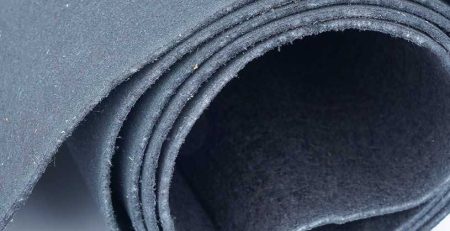
You encounter synthetic leather upper in many modern shoes. Manufacturers create this material by coating a backing fabric with polyurethane or polyvinyl chloride. The process involves several steps:
- Prepare and wet the backing fabric.
- Apply a polyurethane mixture to the fabric.
- Dry the coated fabric to remove moisture.
- Cure the material to solidify the coating.
- Treat the surface for a realistic look.
- Add finishing touches to boost durability.
Synthetic leather upper comes in several types, including PU, PVC, and vegan leather. PU offers versatility and water resistance. PVC provides durability but less breathability. Vegan leather uses plant-based or synthetic components and avoids animal products. You find synthetic leather upper appealing for its affordability and easy maintenance.
What Is Genuine Leather Upper
Genuine leather upper starts with animal hides, usually from cows. Shoe makers select full-grain leather for its strength and longevity. The process includes:
- Choosing high-quality leather.
- Designing the shoe and creating patterns.
- Cutting and skiving the leather for precise fit.
- Assembling and stitching the upper.
- Attaching lining for comfort.
- Lasting the shoe on a mold.
- Securing the sole.
- Polishing and quality control.
You notice genuine leather upper adapts to your foot shape and offers a natural feel. This material stands out for its durability and breathability.
Faux Leather vs Real Leather Key Features
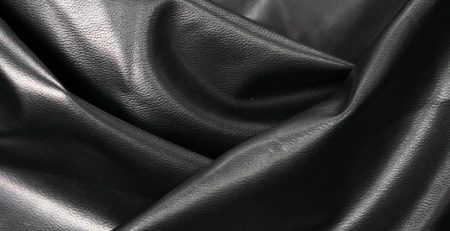
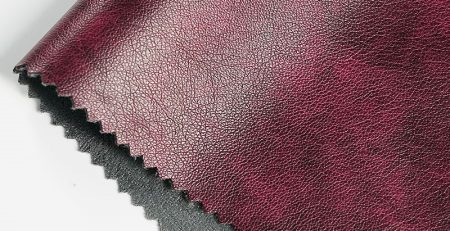
When you compare faux leather vs real leather, you see clear differences in texture and performance. Real leather feels cool at first and warms up with wear. It has a soft, fibrous texture and natural grain variations. Faux leather feels warmer and smoother, sometimes sticky, with a uniform printed pattern. Over time, genuine leather softens and resists cracking, while synthetic leather upper may peel or flake.
| Feature | Faux Leather | Real Leather |
|---|---|---|
| Initial Feel | Warm, plastic-like | Cool, warms with use |
| Texture | Smooth, sometimes sticky | Soft, fibrous |
| Grain Pattern | Uniform, printed | Natural, varied |
| Durability | Prone to cracking/peeling | Softens, adapts, resists wear |
You should understand these differences when choosing shoes. The material affects comfort, appearance, and how long your footwear lasts.
Durability Comparison
Synthetic Leather Upper Durability
You may notice that synthetic leather uppers look great when new, but their durability often falls short compared to genuine leather. Most synthetic leather shoes last between three and seven years. High-quality versions can sometimes reach ten years, but this is rare. The following table shows how long each material typically lasts:
| Type of Leather | Average Lifespan |
|---|---|
| Genuine Leather | 5–15 years with care |
| Synthetic Leather | 3–7 years (up to 10+ years high-quality) |
Synthetic leather can crack, peel, or lose its finish over time. You can slow this process by taking care of your shoes. Here are some tips to help you extend the durability of synthetic leather:
- Clean your shoes regularly to prevent dirt buildup.
- Let your shoes air dry instead of using heat.
- Use a water-based conditioner to keep the material flexible.
- Store your shoes properly to maintain their shape.
- Apply water repellent sprays to protect from moisture.
- Rotate your shoes to avoid wearing out one pair too quickly.
- Keep your shoes away from extreme temperatures.
These steps help you get the most out of your synthetic leather shoes, but you should know that even with care, synthetic leather rarely matches the long-lasting durability of genuine leather.
Genuine Leather Upper Durability
Genuine leather stands out for its impressive durability. You can expect genuine leather shoes to last five to fifteen years with proper care. Some pairs even last decades. Over time, genuine leather develops a unique patina, which means the surface changes and gains character as you wear your shoes. This aging process makes each pair look special.
You benefit from natural oils in the leather fibers. These oils keep the material flexible and help prevent cracking. Full-grain leather resists tearing and abrasion, so your shoes stay strong even with regular use. If you condition your shoes and keep them clean, you can enjoy their durability for many years.
Tip: Regular conditioning keeps genuine leather soft and prevents it from drying out.
Real-World Durability Factors
Many factors affect how long your shoes last, no matter which material you choose. You should consider the following:
| Material Type | Durability Factors | Maintenance Requirements |
|---|---|---|
| Genuine leather | Develops a patina, highly durable with proper care, but vulnerable to mold | Requires regular conditioning to maintain oils |
| Synthetic leather | Prone to cracking, less flexible, can peel or fade with time | Needs cleaning, air drying, and protection |
| Vegan leathers | Consistent over time, resistant to microbial growth | Wipe-clean, low maintenance |
You can see that genuine leather offers long-lasting durability if you care for it. Synthetic leather needs less maintenance but does not last as long. Environmental factors like moisture, heat, and sunlight can damage both materials. Proper storage and regular cleaning help you protect your investment.
When you choose shoes, think about how you will use them and how much time you want to spend on maintenance. If you want shoes that last for many years and develop character, genuine leather is the better choice for durability.
Comfort Comparison
Synthetic Leather Upper Comfort
You often find synthetic leather uppers in modern shoes because manufacturers design them to be lightweight and affordable. Synthetic materials like PU and PVC provide a soft feel and sometimes include extra padding for short-term comfort. You may notice that these shoes feel comfortable when you first wear them, especially if you prefer a lighter shoe. Synthetic leather does not stretch much, so the fit stays consistent over time. However, this rigidity can lead to discomfort if your feet swell or change shape during the day.
Many people report that synthetic leather shoes can cause sweaty feet, especially in warm climates. Limited breathability in PU leather traps moisture, which may lead to discomfort after extended wear. You might experience a sticky feeling or notice that your feet do not stay cool. Synthetic leather rarely adapts to your foot shape, so you may feel pressure points or stiffness if you wear the shoes for long periods.
Tip: If you want shoes for occasional use or short walks, synthetic leather can offer adequate comfort without breaking the bank.
Genuine Leather Upper Comfort
Genuine leather uppers stand out for their superior comfort. You benefit from the material’s ability to balance flexibility with structural memory. Leather holds its shape while adapting to your foot over time. As you wear genuine leather shoes, the collagen network and fiber bundles become more compliant, creating a personalized fit. This break-in process makes the shoes feel softer and more comfortable with each use.
You also enjoy enhanced thermo-physiological comfort because leather manages moisture well. The natural pores and oils in leather transport humidity away from your feet, keeping them dry and cool. Research shows that shoes with more compliant upper materials, such as soft suede, are perceived as more comfortable compared to stiffer materials. Genuine leather stretches and adapts, so you rarely experience discomfort from pressure points. The material molds to your foot, providing a unique fit that improves over time.
- Genuine leather adapts and stretches to your foot shape.
- Leather manages moisture, enhancing comfort and breathability.
- The break-in process creates a personalized fit.
Note: If you want shoes for daily wear or long hours, genuine leather offers unmatched comfort and breathability.
Breathability and Fit
Breathability plays a crucial role in how comfortable your shoes feel. Genuine leather excels in this area because its natural pores and oils allow air and moisture to pass through. You experience dry, cool feet even during extended wear. Synthetic leather varies in breathability depending on the material. High-grade PU and TPU-fused knit offer moderate breathability, but standard PVC provides very little airflow.
| Material Type | Breathability (g/m²/24h) |
|---|---|
| High-Grade PU (w/ polyester backing) | 350–550 |
| TPU-Fused Knit | 600–850 |
| PVC (standard grade) | <100 |
| Mylo™ + PU Binder | 400–500 |
| Recycled PET + PU Coating | 300–450 |
| Genuine Leather | Natural pores and oils enhance breathability |
You may notice fit issues with synthetic leather shoes. The material remains rigid and does not stretch, which can lead to discomfort if your feet change shape or size. Genuine leather adapts and stretches, so you get a better fit and fewer pressure points. You feel more comfortable and supported, especially during long periods of wear.
Callout: If you value comfort and breathability, genuine leather is the best choice for shoes that fit well and keep your feet dry.
Pros and Cons of Faux Leather Shoes and Real Leather Shoes
Synthetic Leather Upper Pros and Cons
When you consider faux leather shoes, you notice several advantages. Synthetic leather does not absorb moisture, so your shoes stay lighter in wet conditions. Cleaning faux leather footwear is simple because water cannot penetrate the material. You find that faux leather shoes rarely stretch or mold to your feet, which affects initial comfort but keeps the fit consistent.
Pros of faux leather shoes:
- Moisture resistance keeps shoes light and easy to wear.
- Cleaning and maintenance require little effort.
- Consistent fit over time.
Cons of faux leather shoes:
- Faux leather shoes are not biodegradable and may release harmful substances as they break down.
- Durability falls short compared to real leather shoes; regular care is needed to prevent cracking or peeling.
- Comfort may decrease during extended wear because the material does not adapt to your foot shape.
Tip: If you want to buy faux leather shoes for occasional use or need easy maintenance, these shoes offer practical benefits.
Genuine Leather Upper Pros and Cons
Real leather shoes stand out for their durability and comfort. You can expect real leather shoes to last many years if you care for them properly. The material breathes naturally, so your feet stay comfortable during long hours. Real leather shoes mold to your feet, creating a personalized fit.
Pros of real leather shoes:
- High durability makes them a long-term investment.
- Natural breathability enhances comfort.
- Material adapts to your foot shape for a better fit.
Cons of real leather shoes:
- Maintenance requires regular conditioning and cleaning.
- Real leather shoes may cost more than faux leather shoes.
| Feature | Faux Leather Shoes | Real Leather Shoes |
|---|---|---|
| Durability | Moderate | High |
| Comfort | Consistent fit | Personalized fit |
| Maintenance | Easy | Requires care |
| Environmental Impact | Not biodegradable | Natural material |
You should weigh these pros and cons before choosing between faux leather shoes and real leather shoes. Comfort and durability depend on your needs and how you plan to use your shoes.
Other Factors Affecting Durability and Comfort
Maintenance and Care
You need to consider how much effort you want to spend on shoe care. Genuine leather requires regular cleaning, conditioning, and polishing. Improper care can cause irreversible damage, especially if you expose leather to water or harsh chemicals. Synthetic leather offers easier maintenance. You can clean it with a damp cloth and mild soap. This saves you time and money.
| Material | Cleaning & Care |
|---|---|
| Genuine Leather | Requires regular maintenance, including cleaning, conditioning, and polishing. Sensitive to water and cleaning chemicals, and improper care can lead to irreversible damage. |
| Synthetic Leather | Easier to clean, requiring only basic cleaning with a damp cloth and occasional mild soap. Less time-consuming and more cost-effective in maintenance. |
Tip: Clean your shoes after every few wears. Use shoe trees to maintain shape and store them in a cool, dry place.
Cost Considerations
Price plays a big role in your decision. Genuine leather boots cost more because of the material and craftsmanship. Synthetic boots offer a budget-friendly option. You pay less upfront, but may need to replace them sooner.
| Feature | Leather Boots | Synthetic Boots |
|---|---|---|
| Average Price | $150–$400+ | $50–$120 |
Callout: If you want shoes that last longer, genuine leather is worth the investment. For short-term use, synthetic leather saves money.
Environmental Impact
You should think about how your choice affects the planet. Genuine leather production creates higher carbon emissions and uses toxic chemicals like chromium. Synthetic leather avoids animal welfare issues but relies on petroleum and can break down into microplastics.
- Genuine leather production results in higher carbon emissions.
- Tanning uses chemicals that harm the environment and workers.
- Synthetic leather is made from petroleum and can contribute to microplastic pollution.
- Genuine leather can biodegrade, depending on tanning methods.
- Synthetic leather lasts only a few years, leading to more frequent replacements.
Note: Both materials have environmental drawbacks. Choose based on your values and how long you plan to use your shoes.
Choosing the Right Upper for Your Needs
Everyday Wear
You want shoes that fit your daily routine. Genuine leather offers durability and comfort, molding to your feet as you wear them. Synthetic leather provides easy cleaning and costs less. Consider your lifestyle and how much maintenance you prefer. If you value shoes that last and adapt to your feet, genuine leather is a strong choice. If you need affordable shoes that require little care, synthetic leather works well.
- Genuine leather creates higher carbon emissions during production.
- Synthetic leather avoids animal welfare concerns but relies on petroleum and contributes to microplastic pollution.
- Genuine leather boots need regular conditioning, while synthetic boots clean easily with a damp cloth.
Tip: Think about how often you wear your shoes and how much time you want to spend on care.
Sports and Active Use
You need shoes that support movement and withstand stress. Synthetic leather boots are lightweight and resist moisture, making them suitable for sports or active use. Genuine leather boots provide excellent breathability and comfort, especially for activities that require long hours on your feet. If you value flexibility and a personalized fit, genuine leather is ideal. For quick cleaning and consistent fit, synthetic leather is practical.
Budget and Preferences
Your budget and personal preferences play a big role in choosing the right material. Genuine leather usually costs 30–50% more than synthetic leather. Budget-conscious buyers often choose synthetic boots for occasional use. If you value durability and comfort, genuine leather boots are worth the investment.
| Factor | Genuine Leather | Synthetic Leather |
|---|---|---|
| Durability | High | Moderate |
| Comfort | Molds to foot shape | Less comfortable |
| Breathability | Excellent | Limited |
| Maintenance | Needs care | Easy to clean |
| Budget | Higher cost | Lower cost |
Callout: Choosing the right material depends on how much you value durability, comfort, maintenance, and cost.
Expert reviews show genuine leather offers superior durability and comfort. You should choose synthetic leather for affordability or wet conditions. Select genuine leather for long-term wear and custom fit. Consider your needs and preferences. Weigh the pros and cons below before deciding:
| Feature | Synthetic Leather | Genuine Leather |
|---|---|---|
| Durability | Wears out quickly | Lasts longer |
| Comfort | Less comfortable | Molds to foot |

FAQ
How can you extend the life of synthetic leather shoes?
Clean your shoes regularly. Store them away from heat. Use water-based conditioners. Rotate pairs to reduce wear.
Do genuine leather shoes require special care?
You need to condition genuine leather. Clean with a soft cloth. Avoid water exposure. Use shoe trees to maintain shape.
Which material is better for sweaty feet?
Genuine leather breathes well. You stay cooler and drier. Synthetic leather traps moisture, which can cause discomfort.