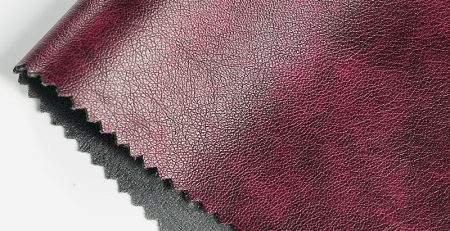
Automotive Leather Fabric Explained and Why Cars Love It

Automotive leather fabric gives your car interior a premium look and feel. You experience comfort because leather adjusts to your body temperature. You notice durability since automotive leather fabric resists daily wear. You clean spills easily due to the smooth surface. Many buyers prefer automotive leather fabric for these reasons:
- Luxurious appearance boosts your car’s interior.
- Comfort enhances every drive.
- Durability keeps your interior looking new.
- Easy cleaning saves you time.
- Resale value increases with a leather interior.
- Customization allows you to personalize your space.
- Longevity means your automotive leather fabric lasts for years.
Key Takeaways
- Automotive leather fabric enhances your car’s interior with a luxurious look and feel.
- Leather provides comfort by adjusting to your body temperature, making every drive enjoyable.
- Regular maintenance, like conditioning every 4-6 weeks, keeps your leather seats soft and extends their lifespan.
What Is Automotive Leather Fabric?
Composition and Tanning Process
You encounter automotive leather every time you step into a premium vehicle. This material starts with animal hides, but manufacturers treat it differently than leather used for furniture or clothing. The process begins with selecting high-quality hides, which then undergo a specialized tanning process. Tanning transforms raw hides into a durable, flexible material suitable for car interiors.
The standard composition of automotive leather fabric often includes a blend of natural and synthetic materials. You can see this in the table below:
| Material Component | Description |
|---|---|
| Composition | nylon + PU (polyurethane) |
Tanning plays a crucial role in the quality and durability of your leather car interior. Manufacturers use several tanning methods:
- Vegetable tanning uses plant extracts. This method creates leather that feels stiff at first but softens over time. It offers excellent durability and water resistance.
- Chrome tanning produces softer leather. This method gives your upholstery high resistance to water and wear, making it last longer.
- Tanning changes the chemistry inside the fibers. This process makes the material more resistant to bacteria and fungi, which helps your leather car interior stay fresh and strong.
- Some manufacturers use triazine-based or vegetable tanning as alternatives to chrome. Custom finishing and surface treatments further enhance performance and aging resistance.
You benefit from these processes because they ensure your upholstery withstands daily use, temperature changes, and spills.
Key Features for Cars
Automotive leather stands out because it is engineered for the unique demands of vehicles. You need your leather car interior to resist sunlight, heat, and cold. Automotive leather meets strict standards for color fastness and abrasion resistance. This means your upholstery keeps its appearance and quality even after years of use.
You also enjoy several key features:
- Superior durability: Your upholstery resists wear, spills, and scratches better than most materials.
- Comfort: Leather adjusts to your body temperature, making every drive pleasant.
- Easy maintenance: The smooth surface lets you wipe away spills quickly.
- Premium look: The finish and texture add a sense of luxury to your car.
Automotive leather fabric also supports sustainability. Tanneries now invest in eco-friendly practices, reducing the environmental impact of production. Leather is biodegradable, so it breaks down faster than synthetic alternatives. By using leather, you help reduce waste and support a circular economy.
Comparison with Other Materials
When you compare automotive leather to other upholstery options, you notice clear differences in quality and durability. Genuine leather can last as long as your vehicle. It develops a unique patina, retains its strength, and rarely needs replacement. Synthetic materials, on the other hand, may peel, crack, or fade after a few years. They often require more frequent replacements.
| Material Type | Lifespan | Characteristics |
|---|---|---|
| Genuine Leather | Can last as long as the vehicle | Develops a patina, retains strength, and is durable |
| Synthetic Materials | May peel, crack, or fade after a few years | Tends to degrade and requires more frequent replacements |
You also find that automotive leather fabric offers better resistance to spills and wear than cloth. While leather needs regular care to prevent cracking, it outperforms cloth in high-traffic areas. Cloth absorbs moisture and stains more easily, but it is simpler to repair.
The blend of leather and fabric in some interiors creates a visually dynamic space. Leather provides a premium feel and regulates temperature, while fabric adds breathability and softness. This combination gives you comfort and luxury without the high cost of full leather interiors.
From an environmental perspective, leather supports sustainability. It is a by-product of the meat and dairy industry, reducing waste. Tanneries now use innovative processes to lower carbon emissions and resource use. Leather decomposes faster than synthetic materials, which can persist for decades.
| Aspect | Leather | Synthetic Materials |
|---|---|---|
| Biodegradability | Decomposes faster under composting conditions | Non-biodegradable, persists for decades |
| Durability | Long lifespan, reduces replacements | Often less durable, leading to more waste |
| Environmental Impact | Supports circular economy | Contributes to pollution and waste management issues |
You see that automotive leather fabric remains the top choice for those who value quality, durability, and a luxurious driving experience. Manufacturers continue to innovate, creating sustainable and high-performance options for your leather car interior.
Types and Benefits of Leather Car Interiors
Types of Leather Upholstery for Cars
You find several types of leather upholstery for cars when you shop for a new interior. Each type offers unique benefits for your driving experience:
- Full-grain leather seats preserve the natural texture and deliver maximum strength. You notice the premium look and feel every time you enter your car.
- Top-grain leather seats provide a smoother finish. You get excellent stain resistance and comfort, making them ideal for high-traffic areas.
- Synthetic leather seats, often made from polyurethane, mimic the look of real leather. You benefit from easy maintenance and durability, especially in utility vehicles.
- Coated leather seats feature enhanced resistance to wear and UV exposure. You enjoy longevity, though the appearance may be less natural.
| Leather Type | Durability Description | Appearance Description |
|---|---|---|
| Full-Grain | Maximum strength and character, ideal for premium applications. | Preserves natural surface, showcasing unique textures. |
| Top-Grain | Excellent stain resistance, suitable for high-traffic areas. | Smoother, more uniform look due to light correction. |
| Synthetic | Common in utility applications, engineered for durability. | Often designed to mimic the look of real leather but with less natural character. |
| Coated | Enhanced resistance to wear and UV exposure, ensuring longevity. | Typically has a uniform finish, may lack the natural look of full-grain or top-grain. |
Why Choose Leather Car Interiors
You choose leather car interiors for several reasons. Leather seats offer twice the strength of conventional options and weigh less, which improves your driving comfort. You also enjoy superior durability and tear resistance. Custom leather interiors support circularity, using renewable and recycled materials. You get seamless integration with automotive upholstery, and tanners treat these interiors like traditional hides.
- Leather car interior increases your vehicle’s resale value.
- Leather upholstery for cars reduces depreciation and attracts buyers.
- Premium leather car seats maintain their value and timeless appeal.
Common Uses in Car Interiors
You see leather upholstery for cars in many areas:
- Leather seats make up 65% of luxury vehicle interiors.
- Door panels use leather for armrests, providing durability and comfort.
- Dashboards and consoles blend leather and fabric for design flexibility.
- Steering wheels feature leather covers for a premium feel.
Pros and Cons for Owners
You weigh the advantages and disadvantages before choosing leather car interiors.
| Aspect | Leather Seats | Cloth Seats |
|---|---|---|
| Aesthetic Appeal | Offers a luxurious and sophisticated look, enhancing the vehicle’s interior. | Provides a cozy feel and more customization options in colors and patterns. |
| Comfort in Temperatures | Can become very hot in summer and cold in winter without heating features. | Maintains a pleasant temperature in all seasons without additional heating. |
| Maintenance | Requires regular cleaning and conditioning to prevent wear and tear. | Low-maintenance but more susceptible to stains and odors. |
| Durability | Generally more durable and can last longer with proper care. | May show signs of wear sooner and not as resilient under heavy use. |
Tip: You should avoid steam cleaning and all-purpose cleaners. Use a pH-balanced leather cleaner and condition your leather car interior regularly, especially in dry climates.
Care and Maintenance Tips
You keep your leather car interior looking premium by following these steps:
- Condition leather seats every 4-6 weeks for softness and protection.
- Clean leather thoroughly before conditioning for even results.
- Use a soft cloth for application.
- Watch for signs like loss of suppleness, fading color, or dry surfaces.
- Avoid harsh cleaners and steam cleaning.
Regular care prevents stiffness, discoloration, and accelerated aging. You extend the life of your custom leather interiors and maintain the premium look of your automotive upholstery.
You choose leather for your car interior because it delivers comfort, style, and long-term value. Leather stands out as a premium material, offering higher resale value and lasting appeal. You enjoy a luxurious interior, superior durability, and long-term value. Consider leather when you want a premium driving experience.
- Leather enhances the interior’s aesthetic appeal and comfort.
- Leather increases higher resale value and supports long-term value.

FAQ
How often should you clean your leather car seats?
You should clean your leather seats every month. Use a pH-balanced cleaner.
Tip: Conditioning every 4–6 weeks keeps your seats soft and prevents cracking.
Can you repair scratches on automotive leather fabric?
Yes, you can fix minor scratches with a leather repair kit.
| Scratch Type | Solution |
|---|---|
| Minor | Leather conditioner |
| Deep | Professional repair |
Does leather upholstery fade in sunlight?
Leather can fade if exposed to direct sunlight for long periods. You should use sunshades or park in shaded areas to protect your interior.