
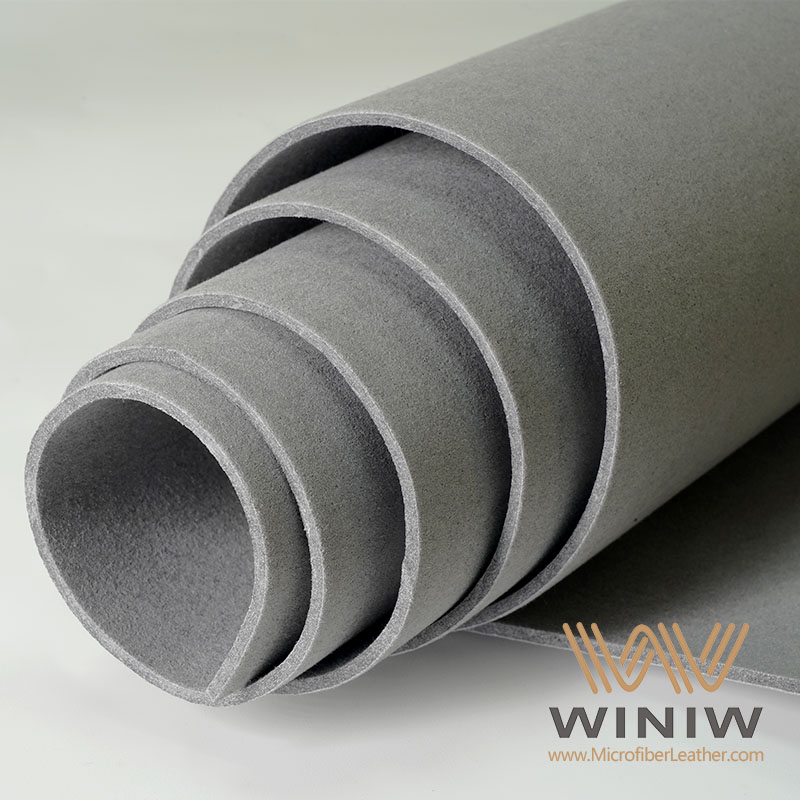
How is ultrasuede made?
Ultrasuede is a high-quality synthetic fabric that resembles suede leather in both texture and appearance. This versatile material is commonly used in fashion, upholstery, and accessories due to its durability, softness, and ease of use. Here’s how ultrasuede is made:
1. Polymerization: Ultrasuede is made from a synthetic fiber called polyester. Polymerization is the first step in the manufacturing process. Small molecules called monomers are chemically bonded together to form long polymer chains.
2. Spinning: The polymer is then spun into thread or fibers. This process can be done using several methods, including melt spinning and wet spinning.
3. Texturizing: The fibers are then texturized, which means they are stretched and twisted to create a suede-like texture.
4. Dyeing: Ultrasuede can be dyed in a variety of colors using various techniques. The dye is typically added during the spinning or texturizing process. This ensures that the color is evenly distributed throughout the fabric.
5. Finishing: The final step in the manufacturing process is finishing. This involves treating the fabric with a variety of chemicals that make it more durable, resistant to stains and water, and easier to sew. The fabric is also sometimes coated with a layer of polyurethane to enhance its properties.
Overall, ultrasuede is a synthetic fabric that is made using a complex manufacturing process involving polymerization, spinning, texturizing, dyeing, and finishing. While it may not be made from natural materials like genuine suede leather, it is still a high-quality and versatile material that is widely used in many industries.


