현대 안전화에 사용되는 필수 소재

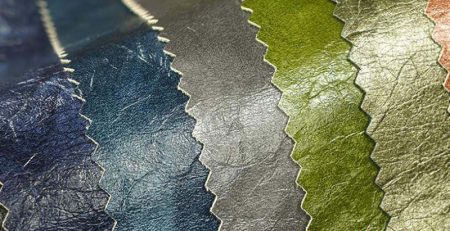
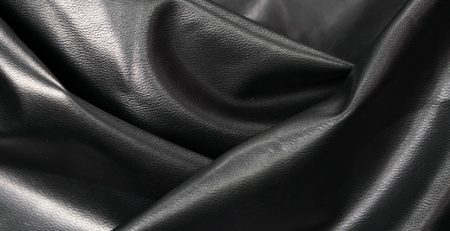
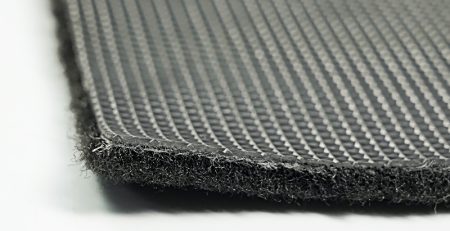
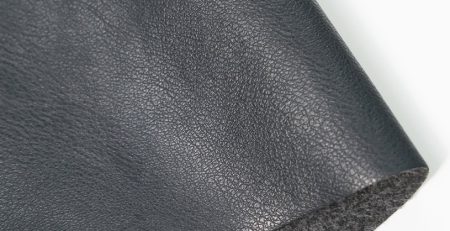
가죽과 같은 재질의 안전화를 만나보실 수 있습니다., 합성 피혁, 망사, 극세사, 나일론, 폴리에스테르, 강철, 알류미늄, 합성물, 폴리카보네이트, 에바, PU, 고무, PVC, TPU, 최신 안전화의 침투 방지 삽입물. 안전화에 사용되는 이러한 소재는 보호 기능을 제공합니다., 편안, 다양한 작업장 위험에 대한 내구성.
현대 안전화에 사용되는 필수 소재
- Choose the right upper material for your safety shoes 작업 환경에 따라. Leather offers durability and breathability, while synthetic and technical textiles provide lightweight comfort and flexibility.
- 선택하다 toe cap materials that match your job’s safety needs. Steel toe caps provide excellent protection, while composite and aluminum options are lighter and non-conductive, ideal for electrical work.
- Consider sole materials carefully. Rubber soles excel in slip resistance, while PU and TPU offer lightweight comfort and chemical resistance. Choose based on the specific hazards of your workplace.
Safety shoes material for uppers and toe caps
가죽, 인조, and textile uppers
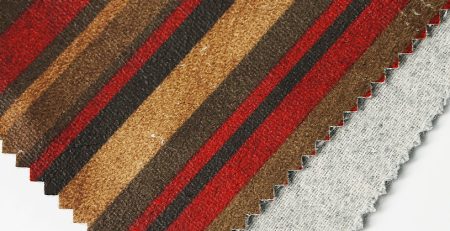
When you look at safety shoes, the upper part is the first line of defense against workplace hazards. The choice of materials for uppers affects protection, 통기성, 그리고 내구성. You will find leather, 합성 피혁, 망사, 극세사, 나일론, and polyester among the most common safety shoes material options.
Here is a table that shows the key properties of these materials:
| 재료 | Key Properties |
|---|---|
| 가죽 | 자연스러운, 튼튼한, 강한, 단열, 통기성, 방수. |
| 극세사 | 모조 가죽, 부드러운, 편안한, liquid-resistant, 청소하기 쉽다. |
Leather stands out for its durability and natural breathability. You get strong insulation and water resistance, which makes leather a popular safety shoes material for tough environments. Synthetic leather offers water and chemical resistance, but it may trap moisture, reducing breathability. Technical textiles like mesh, 나일론, and polyester provide lightweight flexibility and superior breathability. These materials help keep your feet cool during long shifts.
Compare the durability and breathability of different upper materials in this table:
| 재료 | 내구성 | 통기성 |
|---|---|---|
| 가죽 | 뛰어난 내구성 | High degree of natural breathability |
| 합성 피혁 | 물과 내화학성 | May trap moisture |
| 기술 직물 | 가볍고 유연함 | 뛰어난 통기성 |
You should consider the choice of materials based on your work environment. If you need maximum protection and durability, leather is a reliable safety shoes material. For jobs that require lightweight shoes and better airflow, technical textiles or mesh uppers are a smart choice.
Maintaining your safety footwear is important for long-term performance. Here are some tips for caring for different uppers:
- Leather boots: Clean with a leather cleaner or saddle soap. Air dry away from heat to prevent cracking.
- Synthetic boots: 순한 비누와 물을 사용하세요. Clean seams and let them air dry.
팁: Regular cleaning and proper drying extend the life of your safety shoes and preserve their protective qualities.
Steel toe cap safety boots and alternatives
Toe caps are a critical safety shoes material that protects your toes from impact and compression. Steel toe cap safety boots have been a staple in safety footwear since the 1930s. Many industries trust steel for its cost-effectiveness and proven protection.
You can choose from several toe cap materials, each with unique advantages and disadvantages. 여기에 비교가 있습니다:
| 유형 | 장점 | 단점 |
|---|---|---|
| 강철 | Excellent protection against impact and compression, 내구성이 뛰어나다, 비용 효율적 | Heavier than composite options, conducts heat and electricity, unsuitable for cold/electrical environments |
| 알류미늄 | 강철보다 가볍다, 비전도성 | 강철보다 내구성이 약함, may not provide as much protection in extreme conditions |
| 합성물 | 경량, 비전도성, does not transfer cold | May be more expensive, can be less durable than steel in extreme conditions |
| 폴리카보네이트 | 경량, 비금속, does not conduct heat or electricity | May not provide the same level of impact protection as steel or aluminum |
Steel toe cap safety boots offer excellent impact resistance and durability. 하지만, steel is heavier and conducts temperature, which can be uncomfortable in cold environments. Aluminum toe caps are lighter and non-conductive, but they may not match steel’s protection in extreme conditions. Composite and polycarbonate toe caps are lightweight and do not conduct heat or electricity. These materials are ideal for electrical work or environments with metal detectors.
You can see how weight differences affect user fatigue in this table:
| 재료 | 무게 비교 | 충격에너지 요구량 |
|---|---|---|
| 강철 | 무거움 | 200 제이 |
| 알류미늄 | 강철보다 가볍다 | 200 제이 |
| 합성물 | Lighter than aluminum | 100 제이 |
| 폴리카보네이트 | 가장 가벼운 | 100 제이 |
Workers who spend long hours on their feet may prefer lighter toe caps. Composite and polycarbonate options help reduce fatigue and increase comfort. Composite toe caps also resist rust and corrosion, making them suitable for harsh conditions. You will find that composite toe caps do not trigger metal detectors, which is a benefit in security-sensitive workplaces.
Here is a summary of the pros and cons for different toe cap materials:
| Toe Cap Material | 장점 | 단점 | 최고의 대상 |
|---|---|---|---|
| 강철 발가락 모자 | 내구성이 뛰어남, excellent impact resistance | 무거움, conducts temperature, unsuitable for metal detectors | Heavy industries like construction, 조작, 채광 |
| 합성 발가락 캡 | 경량, 비금속, resistant to temperature changes | Slightly bulkier, may be more expensive | Aerospace, 보안, electrical work environments |
| 알루미늄 발가락 캡 | 강철보다 가볍다, 강한, 튼튼한 | Less common, may not offer the same protection as steel | Light industrial settings where weight is a concern |
메모: 추운 환경에서, composite toe caps are preferred because they transmit cold temperatures slower than steel toe caps. As technology advances, composite materials are becoming lighter while maintaining protection, which increases their comfort advantage over steel toe cap safety boots.
Your choice of materials for toe caps should match your workplace hazards and comfort needs. Steel toe cap safety boots remain popular for heavy-duty jobs, while composite and polycarbonate options suit environments where weight, 온도, and metal detection matter.
Safety shoe materials for soles and components
PU, 에바, 고무, PVC, and TPU soles
안전화를 선택하시면, the sole plays a crucial role in protection, 편안, 그리고 내구성. Manufacturers use a range of materials for soles, each offering unique benefits for different types of safety boots and work boots. You will often find polyurethane (PU), ethylene vinyl acetate (에바), 고무, 폴리 비닐 클로라이드 (PVC), and thermoplastic polyurethane (TPU) as the main choices.
Here is a table that compares the performance characteristics of these sole materials:
| Sole Material | 미끄럼 저항 | 마모 저항 | 유연성 |
|---|---|---|---|
| 고무 | 훌륭한 | 높은 | 낮은 |
| 폴리우레탄 | 좋은 | 보통의 | 높은 |
| 열가소성 폴리우레탄 | 훌륭한 | 높은 | 보통의 |
| 에틸렌비닐아세테이트 | 좋은 | 낮은 | 높은 |
Rubber outsoles provide excellent slip resistance and durability. You can rely on rubber for environments where traction is essential, but it feels heavier and less flexible than other options. PU soles are lightweight and resist oil, 약, 그리고 찰과상. You get good cushioning comfort and flexibility, which helps reduce fatigue during long shifts. TPU soles offer high responsiveness and flexibility, making them ideal for high-impact activities. EVA soles are light and provide superior cushioning comfort, but they may wear out faster in tough conditions. PVC soles give you cost-effective protection, though they do not last as long as rubber or PU.
You can compare these materials in terms of weight, 쿠셔닝, 및 내화학성:
| 재료 | 무게 | 쿠셔닝 | 내화학성 |
|---|---|---|---|
| PU | 빛 | 좋은 | Resistant to oil and chemicals |
| TPU | 빛 | 훌륭한 | 높은 저항 |
| 고무 | 무거운 | 보통의 | 좋은, but not oil resistant |
| PVC | 보통의 | 보통의 | 비용 효율적입니다, 하지만 내구성이 약함 |
- PU soles are lightweight and provide good cushioning comfort while being resistant to chemicals.
- TPU soles are also light and offer excellent shock absorption and flexibility.
- Rubber soles are heavier but provide good abrasion resistance, though they are not suitable for oily environments.
- PVC soles are cost-effective but may not last as long as other materials.
You should consider the work environment when choosing sole materials. For oily or chemical-prone areas, PU and TPU offer the best protection. Rubber excels in wet or slippery conditions. PVC works well for short-term use or low-impact jobs.
Anti-penetration inserts are another vital component of a safety shoe sole. These inserts protect your feet from sharp objects like nails or screws. Manufacturers use steel plates, composite plates, and Kevlar for these inserts. Steel plates provide strong protection but add weight. Composite plates offer similar safety, are lighter, and do not trigger metal detectors. Kevlar inserts enhance puncture resistance and meet OSHA standards. You can wear these inserts continuously or as needed for extra protection.
| 재료 유형 | 설명 |
|---|---|
| Steel Plate | Positioned within the midsole to protect against sharp objects like nails or screws. |
| Composite Plate | Offers similar protection as steel but is lighter and non-metallic. |
| 케블라 | Used in puncture resistant insoles to enhance safety and meet OSHA standards. |
팁: Anti-penetration inserts are extremely light and comfortable, only slightly heavier than a regular insole. You can use them with various types of non-safety footwear for added protection.
Sole failure in safety shoes often results from moisture imbalance, exposure to heat or sunlight, low humidity, neglect in maintenance, poor-quality materials, and salt or dirt build-up. You should maintain your work boots by cleaning and conditioning them regularly to prevent cracks and separation.
깔창, 라이닝, and other safety footwear features
The insole and lining are essential components of a safety shoe. You need to choose breathable materials and ergonomic designs to maximize comfort and reduce injury risk. Breathable materials help keep your feet dry by allowing air circulation. Moisture-wicking fabrics pull sweat away from your skin, 편안함 향상. Anti-microbial top covers control odor-causing bacteria, keeping your work boots fresh.
- Cushioned insoles provide shock absorption.
- Breathable materials reduce moisture buildup.
- Ergonomic designs accommodate foot shape.
When you select insoles, look for memory foam or polyurethane. These materials offer excellent shock absorption and support, which helps reduce fatigue if you spend long hours on your feet. Properly fitted boots improve mobility, reduce foot strain, and enhance worker satisfaction.
| 특징 | 혜택 |
|---|---|
| Anti-fatigue insoles | Provide arch support and moisture-wicking, shock-absorbing padding. |
| Shock-absorbing layers | Reduce impact on joints, enhancing comfort and reducing fatigue. |
| Moisture-wicking materials | Keep feet dry and comfortable, preventing blisters and discomfort. |
You will find that microfibre linings are common in modern safety shoes. Microfibre offers a soft feel, resists liquids, 그리고 청소하기 쉽습니다. Microfibre also enhances breathability and comfort, making it a preferred choice for insoles and linings. Microfibre is lightweight and durable, which helps extend the life of your safety shoes. Microfibre also resists odors and bacteria, keeping your work boots hygienic. Microfibre is used in abrasion-resistant material for high-contact areas, such as the heel and toe.
Fasteners are another important component of a safety shoe. Laces provide a customizable fit but can pose a safety risk if they become untied and entangled. Buckles offer superior security and durability, ideal for high-impact situations, but they are less adjustable than laces. Zippers and Velcro allow for quick access and convenience. Zippers can fail under stress, while Velcro adds a layer of safety.
- 끈: Customizable fit, but risk of entanglement.
- Buckles: Secure and durable, less adjustable.
- 지퍼 & 벨크로: Quick access, convenient, but zippers may fail under stress.
Scuff caps protect the toe and other high-contact areas from scrapes and wear. Common materials for scuff caps include TPU and PU. TPU scuff caps provide better protection for leather, enhancing durability by resisting abrasion. PU scuff-resistant toe caps offer extra protection from scrapes, especially in high-contact areas. You will find abrasion-resistant material in scuff caps to extend the life of your safety shoes.
- TPU scuff caps: Enhance durability and resist abrasion.
- PU scuff caps: Protect from scrapes and wear.
Safety shoes often include additional features such as metatarsal guards and waterproof membranes. Metatarsal guards protect the bones in your foot from impacts and compression. Waterproof membranes keep your feet dry in wet conditions, preventing slips and falls. You will find these features in types of safety boots designed for heavy manufacturing, 용접, and wet work environments.
| 특징 | 설명 | Work Environments |
|---|---|---|
| Metatarsal Guard | Protects the metatarsal bones from impacts and compression. | Foundries, 용접, heavy manufacturing |
| Waterproof Membrane | 습한 환경에서도 발을 건조하게 유지, preventing slips and falls. | Wet work environments |
Electrical hazard protection and static dissipative features are critical in some work environments. ASTM F2413 specifications categorize footwear into Conductive (Cd), 감전 위험 (뭐라고), and Static Dissipative (SD). EH footwear protects against electric shock, while SD footwear manages static electricity. Sole materials influence these features, with SD footwear dissipating static charge and EH footwear offering insulation against high voltage.
- SD footwear must comply with ASTM F2413 and ASTM F2892 standards, ensuring it effectively dissipates static electricity.
- EH footwear must withstand 18,000 volts for one minute with a maximum leakage current of 1.0 milliamperes, as per ASTM F2413 standards.
메모: You should always match the components of a safety shoe to your workplace hazards. Choose abrasion-resistant material, microfibre linings, and the right insole for maximum comfort and safety. Select protective toe cap, scuff caps, and anti-penetration inserts for enhanced durability and protection.
You improve safety, 편안, and durability by choosing the right materials for your work shoes. Consider hazards, 맞다, and climate when selecting footwear.
- Check for slip resistance, toe protection, and electrical hazard features.
- Replace shoes with worn soles or damaged toe caps.
- Use this table to compare material performance:
| 재료 | 최고의 사용 | Key Benefit |
|---|---|---|
| 가죽 | Humid climates | 통기성 |
| PU | Light work | 쿠셔닝 |
| 고무 | Wet surfaces | 미끄럼 방지 |

FAQ
안전화 갑피에 가장 적합한 재료는 무엇입니까??
You should choose leather for durability and breathability. 합성재료 offer lightweight comfort. Mesh and microfiber provide flexibility and cooling.
How do anti-penetration inserts protect your feet?
Anti-penetration inserts block sharp objects like nails from reaching your foot. You get extra protection in construction or manufacturing environments.
Which sole material offers the best slip resistance?
| Sole Material | 미끄럼 저항 |
|---|---|
| 고무 | 훌륭한 |
| TPU | 매우 좋은 |
| PU | 좋은 |
You should select rubber soles for maximum grip on wet or oily surfaces.