Materialer, der definerer moderne sikkerhedsfodtøj

Du finder sikkerhedssko lavet af læder med høj holdbarhed, letvægts mikrofiber, åndbare tekstiler, stål, aluminium, kompositter, gummi, PU, og EVA, som alle er væsentlige sikkerhedsskomaterialer. Hvert af disse sikkerhedsskomaterialer giver specifikke fordele for holdbarhed, beskyttelse, eller komfort. Disse materialer hjælper med at forhindre skader som knuste fødder, forbrændinger, og forstuvninger.
Nøgle takeaways
- Vælge sikkerhedssko med læderoverdel for holdbarhed og åndbarhed. Dette hjælper med at holde dine fødder behagelige under lange arbejdstimer.
- Vælg højre tåkappe materiale baseret på dit arbejdsmiljø. Stål giver stærk beskyttelse, mens komposit er lettere og ikke-ledende.
- Overvej ydersålens materialer nøje. Gummi giver fremragende skridsikkerhed, mens PU og EVA er lettere og mere behagelige til mindre krævende opgaver.
Nøglematerialer til sikkerhedssko
Overdel i læder og syntetisk
Når man ser på den øverste del af sikkerhedssko, du ser en række materialer designet til holdbarhed, komfort, og beskyttelse. Skooverdelen bruger ofte læder eller syntetiske alternativer. Hver type bringer unikke kvaliteter til sikkerhedsfodtøj.
| Materiale Type | Egenskaber | Fordele/Ulemper |
|---|---|---|
| Fuldnarvet læder | Stærkeste lag, udseende af høj kvalitet, naturlig vandmodstand | Holdbar, beskyttende mod ydre aggression |
| Split læder | Indvendigt lag af læder, opnået ved at dele skindet | Mindre holdbar end fuldkornet, men mere overkommelig |
| Nubuck læder | Let slibning giver en fløjlsblød fornemmelse | Blød tekstur, men mindre vandafvisende end fuldkorn |
| Olieret læder | Nedsænket i olie for vandtætning og beskyttelse | God til våde forhold, men kan være tungere |
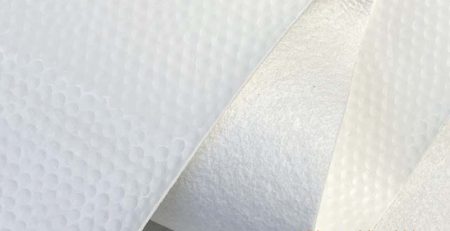
| Mikrofiber | Imiteret læder, blød at røre ved, præget overflade | Let at rengøre, naturlig modstand mod væsker, letvægts |
| Syntetiske materialer | Konsekvent kvalitet, god slid- og kemikaliebestandighed | Let, ingen dyre ufuldkommenheder, mindre spild |
Du oplever, at fuldnarvet læder skiller sig ud for sin styrke og naturlige vandmodstand. Dette gør den til et topvalg til arbejdsstøvler, der skal modstå hårde miljøer. Splitlæder tilbyder en mere overkommelig mulighed, selvom det ofrer noget holdbarhed. Nubuck læder giver dig en blød, behagelig fornemmelse, men den håndterer ikke fugt så godt som andre typer. Olieret læder fungerer godt under våde forhold, men du kan mærke, at det føles tungere på dine fødder.
Mikrofiber og andre syntetiske materialer er blevet populære i materialer til sikkerhedssko. De modstår væsker, rengøres nemt, og vejer mindre end læder. Syntetisk overdel giver også ensartet kvalitet og reducerer spild. Imidlertid, de holder måske ikke så længe som læder under barske forhold.
| Materiale | Holdbarhed | Åndbarhed |
|---|---|---|
| Syntetisk | Moderat | Kan fange varme, fører til svedige fødder på lange dage. |
| Læder | Høj | Tilbyder mere åndbarhed og er mindre tilbøjelig til sved og fugtophobning. |
Læderoverdel giver dig høj holdbarhed og bedre åndbarhed. Dine fødder forbliver tørre og mere komfortable under lange skift. Syntetisk overdel, mens den er lettere, kan fange varme og fugt, hvilket kan føre til ubehag.
Tip: Hvis du arbejder i varme eller fugtige omgivelser, vælg læderoverdel for bedre åndbarhed. Til lettere opgaver eller hvor vægten betyder noget, syntetiske materialer passer måske bedre til dig.
Tåhætte materialer: Stål, Aluminium, Komposit
Tåkappen er en af de mest kritiske komponenter i en sikkerhedssko. Det beskytter dine tæer mod faldende genstande og kompression. Du kan vælge mellem stål, aluminium, eller sammensatte tåkapper, hver opfylder strenge sikkerhedsstandarder.
| Tåkappe type | Slagmodstand | Vægt | Ledningsevne | Holdbarhed |
|---|---|---|---|---|
| Stål | Høj | Tyngre | Leder varme/kulde | Meget holdbar |
| Aluminium | Moderat | Lettere | Leder varme/kulde | Mindre holdbart end stål |
| Komposit | Moderat | Letteste | Ikke-ledende | Holdbar, men kan miste holdbarheden efter stød |
Ståltåkapper giver det højeste niveau af beskyttelse. De modstår kraftige stød og holder længe. Imidlertid, stål tilfører vægt til dine sikkerhedssko og leder varme og kulde, hvilket kan være ubehageligt i ekstreme temperaturer.
Aluminiumståhætter vejer mindre end stål og giver stadig god beskyttelse. De leder også temperatur, men de holder ikke så længe som stål under barske forhold.
Sammensatte tåkapper bruge avancerede materialer som glasfiber, kulfiber, eller plastik. De er den letteste mulighed, nogle gange op til 30% lettere end stål. Sammensatte tåkapper leder ikke varme eller kulde, hvilket gør dem ideelle til elektrisk arbejde eller ekstreme klimaer. Imidlertid, de kan miste en vis holdbarhed efter en kraftig stød.
Note: Alle tåkapper skal opfylde sikkerhedsstandarder for stød og kompression. Vælg det rigtige materiale baseret på dit arbejdsmiljø og komfortbehov.
Ydersål: Gummi, PU, EVA, TPU
Ydersåler danner grundlaget for sikkerhedssko og spiller en nøglerolle for skridsikkerhed, komfort, og holdbarhed. Du finder flere materialer, der bruges til ydersål, hver med sine egne styrker.
Ydersål af gummi giver fremragende skridsikkerhed. Slidbanemønstrene griber godt om overfladerne, selv når det er vådt, og hjælpe med at kanalisere væsker. Gummi modstår også olie, kemikalier, og slid, hvilket gør det til et pålideligt valg til mange typer sikkerhedsstøvler. Imidlertid, gummisåler kan føles tunge.
Polyurethan (PU) ydersålerne er lette og fleksible. De absorberer stød godt og modstår olie og kemikalier. PU holder længe, men koster normalt mere end gummi.
Termoplastisk polyurethan (TPU) kombinerer fordelene ved gummi og PU. TPU ydersål giver høj slidstyrke, god skridsikkerhed, og holdbarhed. De koster lidt mere, men leverer fremragende ydeevne.
Ethylen vinylacetat (EVA) ydersåler er meget lette og dæmper dine trin. De giver god skridsikkerhed, men holder ikke så længe som andre materialer.
- Gummisåler: Fremragende skridsikkerhed og holdbarhed; modstandsdygtig over for olie, kemikalier, og slid; tung.
- PU såler: Let, fleksibel, overlegen stødabsorbering; god modstandsdygtighed over for olie og kemikalier; dyrere men langtidsholdbar.
- TPU såler: Kombinerer fordelene ved gummi og PU; høj slidstyrke; god skridsikkerhed og holdbarhed; lidt dyrere.
- EVA såler: Let og dæmpende; god skridsikkerhed; mindre holdbare end andre materialer.
Tip: Hvis du arbejder i våde eller olierede omgivelser, gummi ydersål giver det bedste greb. Til lettere sikkerhedssko, PU eller EVA kan være et bedre valg.
Forer og indlægssåler
Linings and insoles add comfort, manage moisture, and help control odor in safety footwear. You will find a variety of materials used for these components.
Common lining materials include polyamide and polyester textiles. These wick moisture away from your feet and dry quickly. Some safety shoes use 3D micro-aerated linings for extra breathability. Waterproof-breathable linings keep your feet dry in wet conditions. Recycled materials and synthetic fur also appear in some types of safety shoes for added comfort or sustainability.
| Foringsmateriale | Moisture Management Properties |
|---|---|
| Læder | Excellent breathability and moisture absorption; conforms to foot shape for comfort. |
| Standard Textiles | Wicks moisture away quickly and dries fast; ideal for active use or warm conditions. |
| Thermo-regulating Textiles | Styrer temperaturen ved at holde på varmen i kulde eller føle sig kølig i varme omgivelser. |
| Vandtætte membraner | Skaber en barriere mod eksternt vand, samtidig med at sveden slipper ud. |
Mange indlægssåler har antimikrobielle behandlinger. Disse forhindrer væksten af lugtfremkaldende bakterier, reducere ubehagelige lugte, og hjælpe dig med at føle dig mere selvsikker. Fugttransporterende indlægssåler sænker også risikoen for fodinfektioner og forbedrer komforten under lange timer i arbejdsstøvler.
Note: Når du vælger sikkerhedssko materialer til forer og indlægssåler, se efter fugtstyring og antimikrobielle egenskaber. Disse holder dine fødder sunde og komfortable, selv under lange vagter.
Ved at forstå komponenterne i en sikkerhedssko og valget af materialer, du kan vælge det bedste sikkerhedsfodtøj til dine behov. Den rigtige kombination af materialer sikrer beskyttelse, komfort, og holdbarhed på tværs af alle typer sikkerhedssko.
Materialepåvirkning og trends inden for sikkerhedssko
Sikkerhed, Komfort, og Holdbarhed
Du er afhængig af sikkerhedssko for at beskytte dine fødder mod stød, punkterer, og elektriske farer. Materialerne, der bruges i disse sko, spiller en stor rolle i deres ydeevne. For eksempel, ståltåhætte sikkerhedsstøvler giver stærk stødbeskyttelse og kan isoleres for elektrisk sikkerhed. Sammensatte tåkapper, lavet af materialer som Kevlar eller kulfiber, er lette og ikke-ledende, hvilket gør dem ideelle til el-arbejde. Anti-penetration indsatser i sålerne forhindrer skarpe genstande i at skade dine fødder. Ydersål lavet af gummi eller PU giver skridsikre egenskaber, som hjælper dig med at holde dig sikker på våde eller olierede overflader. Vandtæt foring og overdel holder dine fødder tørre i udfordrende miljøer.
| Type sko | Nøglefunktioner | Ansøgninger |
|---|---|---|
| Ståltåhætte sikkerhedsstøvler | Forstærket tå, holdbar, vandafvisende | Konstruktion, tung industri |
| Komposittåsko | Let, ikke-ledende, vandafvisende | Elektrisk, sikkerhed, metaldetektor områder |
| Anti-Slip sko | Skridsikker ydersål, vandafvisende | Køkkener, hospitaler, våde arbejdspladser |
Fordele og ulemper ved sikkerhedsskomaterialer
Du bør overveje fordele og ulemper ved hvert materiale, før du vælger dit fodtøj.
| Materiale | Fordele | Ulemper |
|---|---|---|
| Læder | Åndbar, vandafvisende, holdbar | Har brug for pleje, kan tørre ud |
| Mikrofiber | Let, Let at rengøre, vandafvisende | Kan misfarves i sollys |
| EVA | Let, absorberer stød | Kan fange fugt, forårsage lugte |
| Gummi | Skridsikker, tåler varme | Tyngre end andre materialer |
| Polyurethan | Stødabsorbering, langvarig | Mindre holdbart end gummi |
Blødere, lettere materialer øger komforten, mens tungere materialer som stål giver mere beskyttelse. Du foretrækker måske lette sko til lange skift.
Innovationer: Bæredygtige og avancerede materialer
Du ser nye trends inden for sikkerhedsfodtøj, såsom naturlige fibre som bambus og hamp, biologisk nedbrydelige komponenter, og laboratoriedyrket læder. Mærker bruger nu genbrugte gummi- og plastikflasker til at lave vandtætte sikkerhedssko. Avancerede kompositter som carbon nanorør og Kevlar forbedrer styrken uden at øge vægten. Markedet for bæredygtigt fodtøj vokser hvert år, efterhånden som flere mennesker vælger miljøvenlige muligheder.
- Naturfibre giver åndbarhed og komfort.
- Biologisk nedbrydelige såler reducerer lossepladsaffald.
- Avancerede kompositter giver høj styrke og lav vægt.
Ståltåhætte sikkerhedsstøvler
Sikkerhedsstøvler i stålståhætte har udviklet sig. Moderne design fokuserer på at reducere vægten og øge komforten. Du finder disse støvler i mange stilarter, herunder sneakers og sandaler. Producenter bruger nu ergonomiske former og vandafvisende materialer for at forbedre pasformen og holdbarheden. Skridsikre såler og anti-penetration indsatser tilføjer ekstra lag af sikkerhed. I dag, ståltåhætte sikkerhedsstøvler beskytter dig, mens du holder dig komfortabel under lange arbejdsdage.
Du forbedrer sikkerheden og komforten ved at vælge de rigtige materialer til dine arbejdssko. Overvej holdbarhed, passe, og indersålen for optimal beskyttelse. Indersålen påvirker ydeevnen på lang sigt, især i krævende miljøer. En kvalitets indersål hjælper med at forebygge skader. Udforsk både klassiske og nye materialer, der matcher dine behov og arbejdsplads.

FAQ
Hvad er det bedste materiale til overdel af sikkerhedssko?
Læder giver dig holdbarhed og åndbarhed. Syntetiske materialer giver lettere vægt og nem rengøring. Vælg ud fra dit arbejdsmiljø og komfortbehov.
Er komposittåhætter lige så sikre som ståltåhætter?
Komposittåkapper opfylder sikkerhedsstandarder for stød og kompression. Du får beskyttelse uden ekstra vægt eller temperaturledningsevne.
Hvordan vælger jeg det rigtige ydersålsmateriale?
Ydersål af gummi giver skridsikkerhed og holdbarhed. PU og EVA giver lettere vægt og komfort. Match ydersålen til dine farer på arbejdspladsen og daglige opgaver.